

Nestlé's Latest Progress Report Announces 53% of Nescafé's Green Coffee was Sourced from Farmers Adopting Regenerative Agriculture Practices in 2025 – CoffeeTalk

The Nescafé Plan 2030 Progress Report, released recently, reveals significant achievements in sustainable sourcing and agricultural practices. By 2025, 53% of Nescafé’s green coffee was sourced from farmers who employed regenerative agriculture practices, marking a substantial increase due to heightened volumes from these farmers and the expansion of Nescafé’s field programs. Over 1,600 agronomists and field staff supported farmers in 15 countries, providing essential training and assistance in regenerative farming methods.
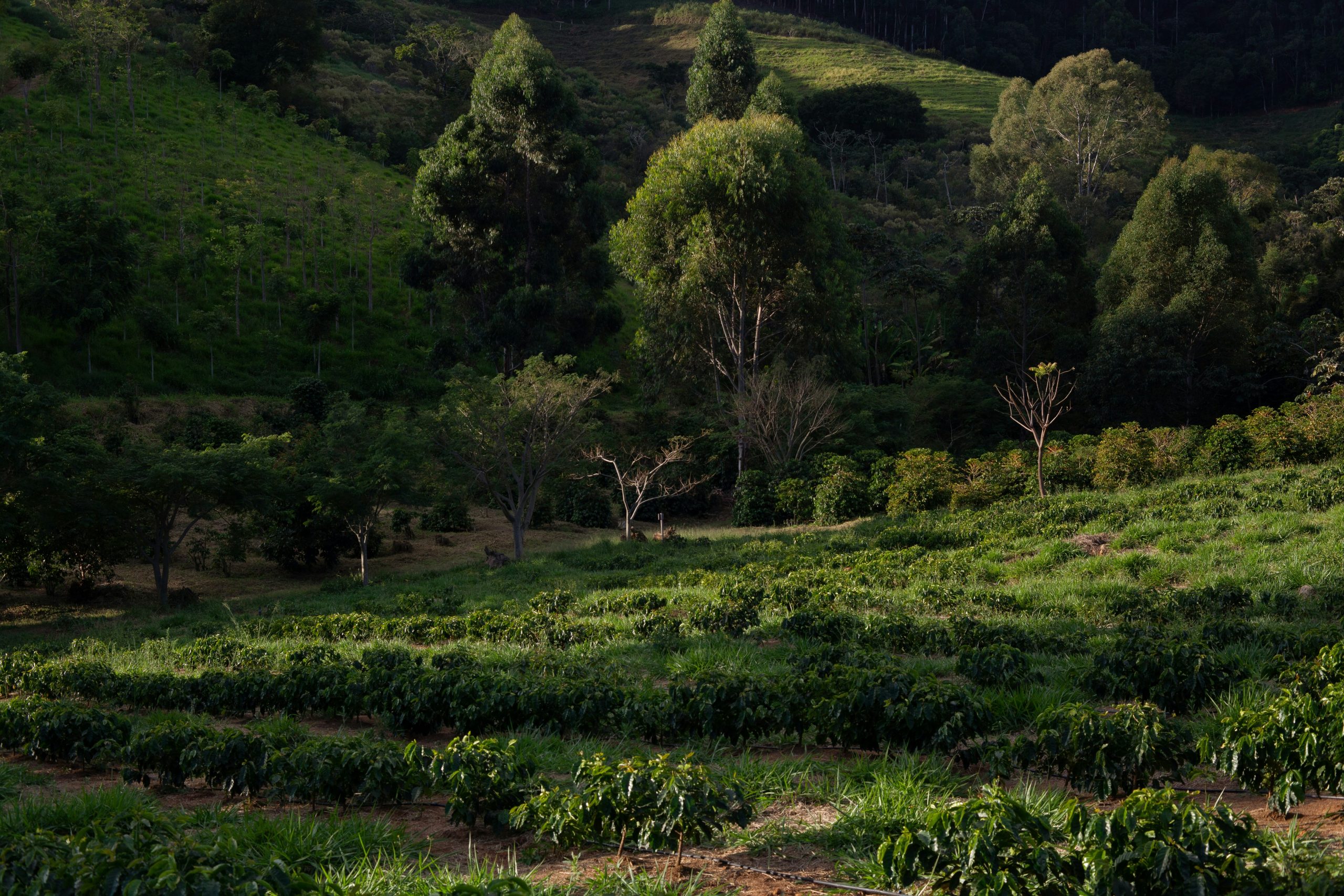
The emphasis on regenerative agriculture within the Nescafé Plan 2030 aims to improve farming techniques and enhance the resilience of the coffee supply chain, benefitting both farmers and ecosystems. Practices such as agroforestry, cover crops, and optimized fertilization have been implemented to enhance soil health and maintain long-term yields. Additionally, intercropping has opened new revenue streams and diversified income sources for farmers. Nescafé reported an 18.3% reduction in greenhouse gas (GHG) emissions from green coffee compared to the 2018 baseline, demonstrating progress in environmental impact.
Antje Shaw, Head of Sustainability for Nescafé, highlighted the milestone of sourcing over half of their coffee from farmers adopting regenerative practices, illustrating the company’s commitment to scaling these methods throughout its supply chain. The initiative aims to bolster farmers’ resilience to climate change—a critical factor as aging coffee trees become less productive and more susceptible to climatic challenges. To address this, Nestlé has facilitated the renovation of farms by supplying 20.3 million resilient coffee plantlets to farmers in 2025.
The report also details Nescafé’s commitment to responsible sourcing, with 94.3% of its coffee traceable to farmer groups that meet Nestlé’s responsible sourcing criteria. In addition to sustainable farming, the report covers emissions across Nescafé’s entire value chain, noting that 98.6% of electricity used in coffee manufacturing sites came from renewable sources, substantially supporting reductions in GHG emissions.
The Nescafé Plan also addresses human rights within coffee-growing communities. In 2025, it collaborated with Terre des Hommes to develop a Child Protection Framework, aiming to improve child protection systems within supply chains. Furthermore, Nescafé extended its partnership with the International Labour Organization (ILO) to advance labor rights, highlighting the importance of evidence-based, participatory methods to enhance working conditions.
Overall, the integrated approach of the Nescafé Plan strives to ensure a more resilient and sustainable coffee supply chain for the future, balancing environmental, social, and economic imperatives.
Read More @ Nestlé
Source: Coffee Talk