

Investigation Reveals Bottled Coffee Drinks Are Being Taxed At Inconsistent Rates Across Washington State – CoffeeTalk

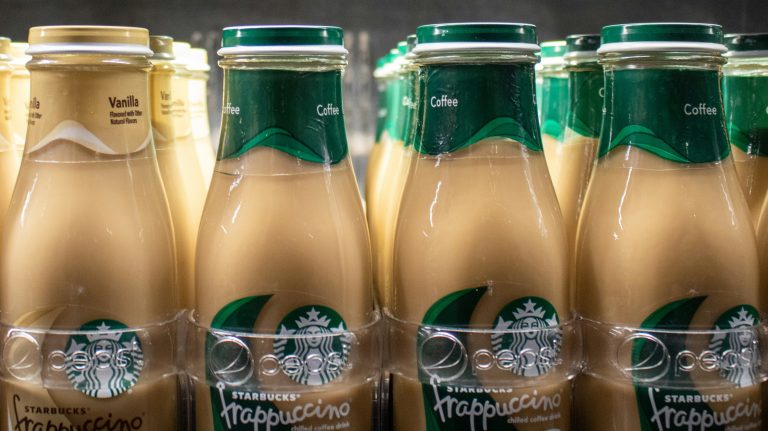
An investigation revealed inconsistencies in sales tax charges on bottled coffee drinks, such as Starbucks Frappuccinos, at various convenience stores across Washington State. The investigation uncovered that while some stores correctly imposed no tax on these drinks, others incorrectly charged around 50 cents in tax. This discrepancy was confirmed by the Washington State Department of Revenue, which stated that beverages containing milk are exempt from sales tax, as grocery food is untaxed while soft drinks are not.
To investigate the extent of the issue, KIRO 7 randomly checked four convenience stores in Seattle, Bellevue, Renton, and Auburn, finding that two charged tax while two did not. For example, at a Chevron in Bellevue, a tax of 45 cents was added to the purchase of a bottled coffee drink, whereas another nearby store did not charge tax. This inconsistency prompted reactions from customers, some of whom expressed frustration over the additional costs, especially given the current economic climate where even small expenses can accumulate.
The investigation revealed a trend—every ampm convenience store checked in areas like Everett, Renton, Auburn, Tacoma, and Lacey charged sales tax on the same bottled coffee drinks. This pattern suggests a systemic issue potentially driven by corporate policy, as a manager from an Auburn ampm stated that tax decisions are set by the company.
Data from ScrapeHero indicated that there are 127 ampm locations statewide, implying that customers might unknowingly spend up to $25 a year in taxes on drinks that should not be taxed. The corporate owner of ampm, BP, acknowledged the issue and stated they are reviewing compliance with tax regulations. However, the Washington Department of Revenue mentioned they do not routinely audit for food tax accuracy, although they would review practices if a store were audited more broadly.
Despite the Department’s assessment that such cases are rare and likely due to human error rather than malice, customers like Fabricio Miura voiced skepticism, suggesting that the tax imposition might not be a mere oversight and should be examined more closely.
Read More @ KIRO 7
Source: Coffee Talk