

Central American Coffee Producers Navigate Crucial Development Phase for 2026/27 Crop – CoffeeTalk

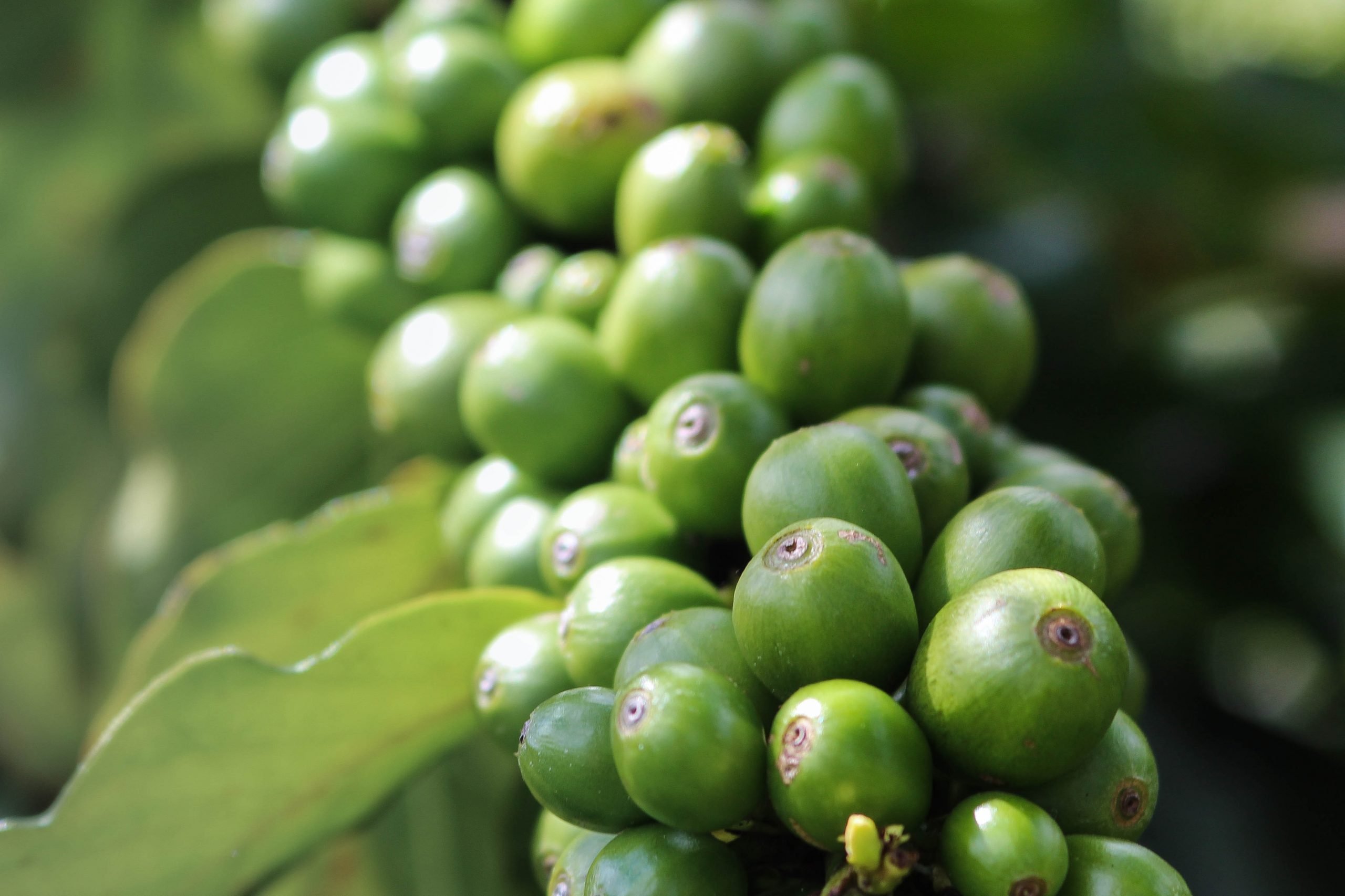
Producers in Central America, encompassing Guatemala, Honduras, Nicaragua, Costa Rica, and El Salvador, have largely completed their 2025/26 coffee harvest and are now focusing on key developmental stages that will influence the size and quality of the upcoming crop. While Brazil is still engaged in active harvesting, Central American countries are concentrating on flowering, fruit set, cherry development, and farm maintenance, while monitoring critical factors such as weather and potential challenges linked to El Niño, labor shortages, escalating input costs, migration pressures, and compliance with the European Union Deforestation Regulation (EUDR).
Honduras is currently noteworthy for its potential production growth, with USDA projecting a rise from 5.53 million 60-kg bags in 2025/26 to an anticipated 6.03 million bags in 2026/27. The growth is attributed to enhanced agricultural practices, including nutrition programs, increased planted area, effective pruning, and adoption of rust-resistant coffee varieties. However, coffee leaf rust remains a concern, and labor availability is challenged by rising wage costs, alongside investments needed for EUDR compliance.
In Guatemala, the outlook remains positive due to generally favorable growing conditions, though structural challenges persist. Labor shortages are significant, particularly in high-altitude areas, alongside rising production costs and potential pest pressures exacerbated by favorable weather for the coffee berry borer. Investments in traceability systems are also being prioritized in anticipation of EUDR implementation.
Nicaragua, by contrast, faces a declining production forecast, projected at around 2.4 million bags for 2026/27, influenced by concerns about drought conditions potentially resulting from El Niño in the latter part of 2026. Increased input costs, particularly fertilizer prices, pose further challenges, as do labor shortages stemming from rural migration.
Costa Rica’s production is expected to increase slightly to 1.2 million bags due to the favorable biennial production cycle; however, producer profitability has been hampered by a strong national currency and escalating costs. Labor shortages persist, and anticipated rainfall reductions could adversely affect yields.
El Salvador’s coffee sector is forecast to shrink to approximately 542,000 bags in 2026/27 amid challenges such as aging trees, limited credit access, and significant climate vulnerabilities. Rising migration is exacerbating labor shortages, complicating essential agricultural tasks, and underinvested farms are in dire need of renovations to ensure long-term competitiveness.
Despite the easing of logistical issues compared to the pandemic years, exporters continue to face heightened financing costs, capital requirements, and compliance challenges. The liquidity crisis is underscored by high coffee prices necessitating greater capital for purchasing from farmers.
As Brazil continues to attract the majority of market attention, Central America anticipates pivotal months ahead, determining whether it can navigate relatively favorable conditions or succumb to detrimental weather effects. Stakeholders—traders, roasters, and importers—are urged to monitor key variables like flowering success, rainfall patterns, labor availability, and investment sustainability throughout the evolving season, as the next significant supply narratives may well emerge from the Central American highlands.
Read More @ StoneX
Source: Coffee Talk