

Nestlé Outlines the Nescafé Plan 2030 to Transform Vietnam's Dak Lak Coffee Growing Region Through Regenerative Agriculture – CoffeeTalk

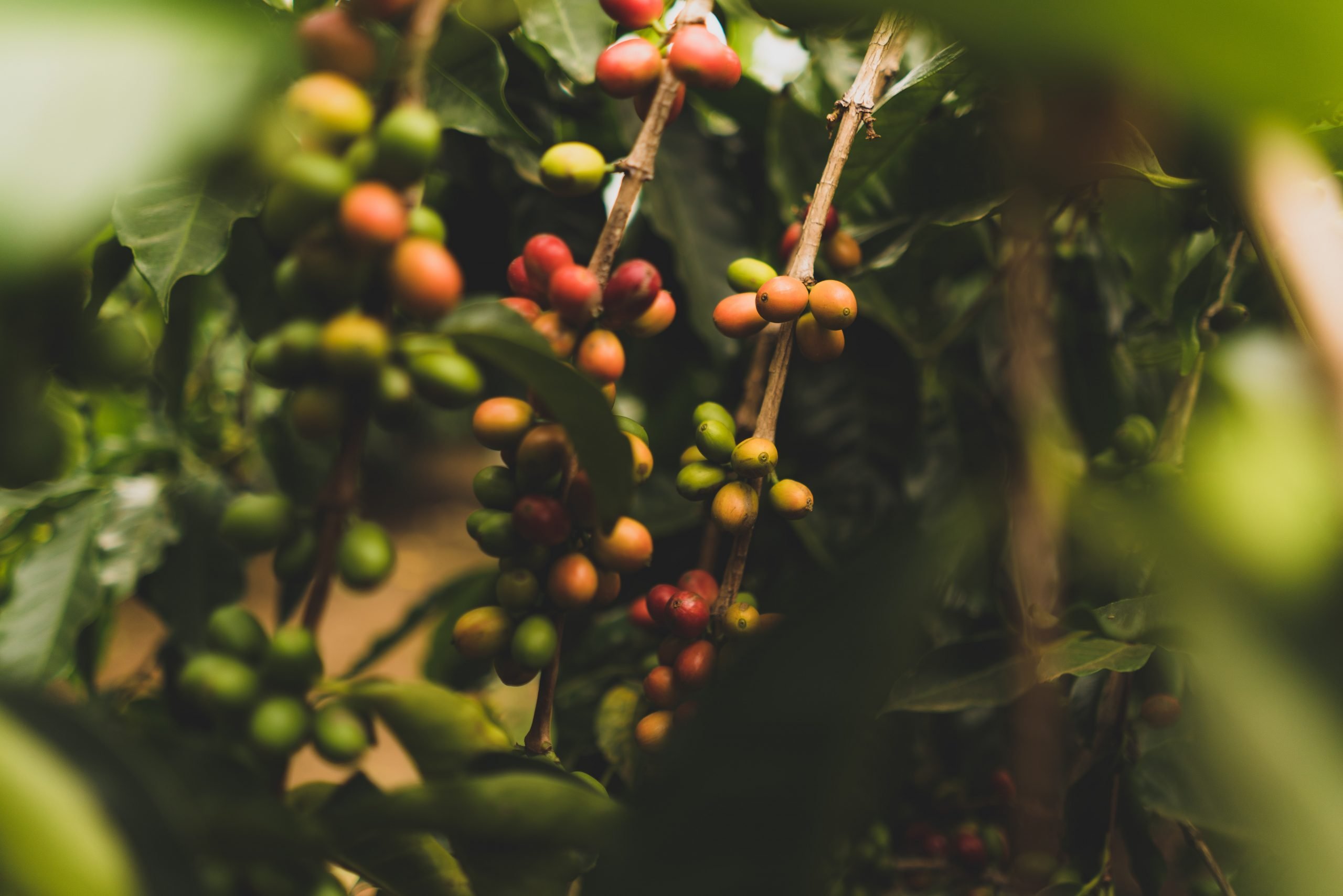
In Vietnam, the integration of traditional agricultural knowledge, advanced scientific practices, and the Nescafé Plan 2030 aims to fundamentally transform the coffee industry in Dak Lak Province, establishing it as a leading example of large-scale regenerative agriculture. A stark contrast is evident between thriving coffee farms, characterized by healthy soil, moisture management, and biodiversity, and those that are struggling with bare, compacted soil. Pham Phu Ngoc, Agricultural Sustainable Development Manager at Nestlé Vietnam, highlights that healthy soil shows signs of life—cover crops, earthworms, and a vibrant ecosystem—which are critical for thriving coffee production amid climate challenges.
Coffee farming, particularly robusta, is under increasing stress due to climate change, which poses risks such as fluctuating temperatures that could severely impact yields. Scientists predict that by 2050, ideal areas for coffee growth could be drastically reduced. This scenario places farmers in a precarious position as supply diminishes while demand for coffee rises. Regenerative agriculture emerges as a crucial strategy, enabling farmers to adapt to the adverse effects of climate by enhancing soil health, water retention, and biodiversity—building a resilient agricultural ecosystem.
Documentary evidence reveals Nestlé’s commitment to sustainable farming, showcasing hands-on collaborations between agronomists and local farmers to embed regenerative practices. For instance, farmers in Dak Lak are encouraged to let grass grow, as it enriches the soil and reduces reliance on chemical fertilizers, leading to healthier crops and increased yields. Intercropping with shade trees and companion plants enhances biodiversity and farmers’ income sources.
The Western Highlands Agriculture and Forestry Science Institute (WASI) plays a pivotal role in advancing coffee cultivation techniques through tissue culture and developing disease-resistant plant varieties. The aim is to secure the future of coffee farming by replacing aging coffee trees while maintaining farmers’ income stability during the transition.
Moreover, the Nescafé Surreal Interns program hopes to foster the next generation of agriculturalists, equipping young professionals with practical skills and insights into regenerative practices. Since its launch, the Nescafé Plan has distributed over 335 million coffee plantlets and aims to meet ambitious sourcing targets from regenerative farms by 2030.
The Nescafé Plan’s execution has yielded promising results, with 53% of coffee sourced from regenerative farms, along with reduced greenhouse gas emissions and improved resilience in farmers’ practices. However, the challenge of implementing regenerative agriculture is compounded by the need for localized approaches tailored to diverse farms and communities globally. Ultimately, regenerative agriculture signifies a hopeful future where sustainable practices not only enhance crop productivity but also restore ecological health. As Paul Hawken states, the goal is to create life through every aspect of farming, reinforcing the vital connection between the soil and the success of agricultural practices.
Read More @ Nestle
Source: Coffee Talk