

TechnoServe and Sustainable Food Lab Issue Regenerative Agriculture and Living Income Report – CoffeeTalk

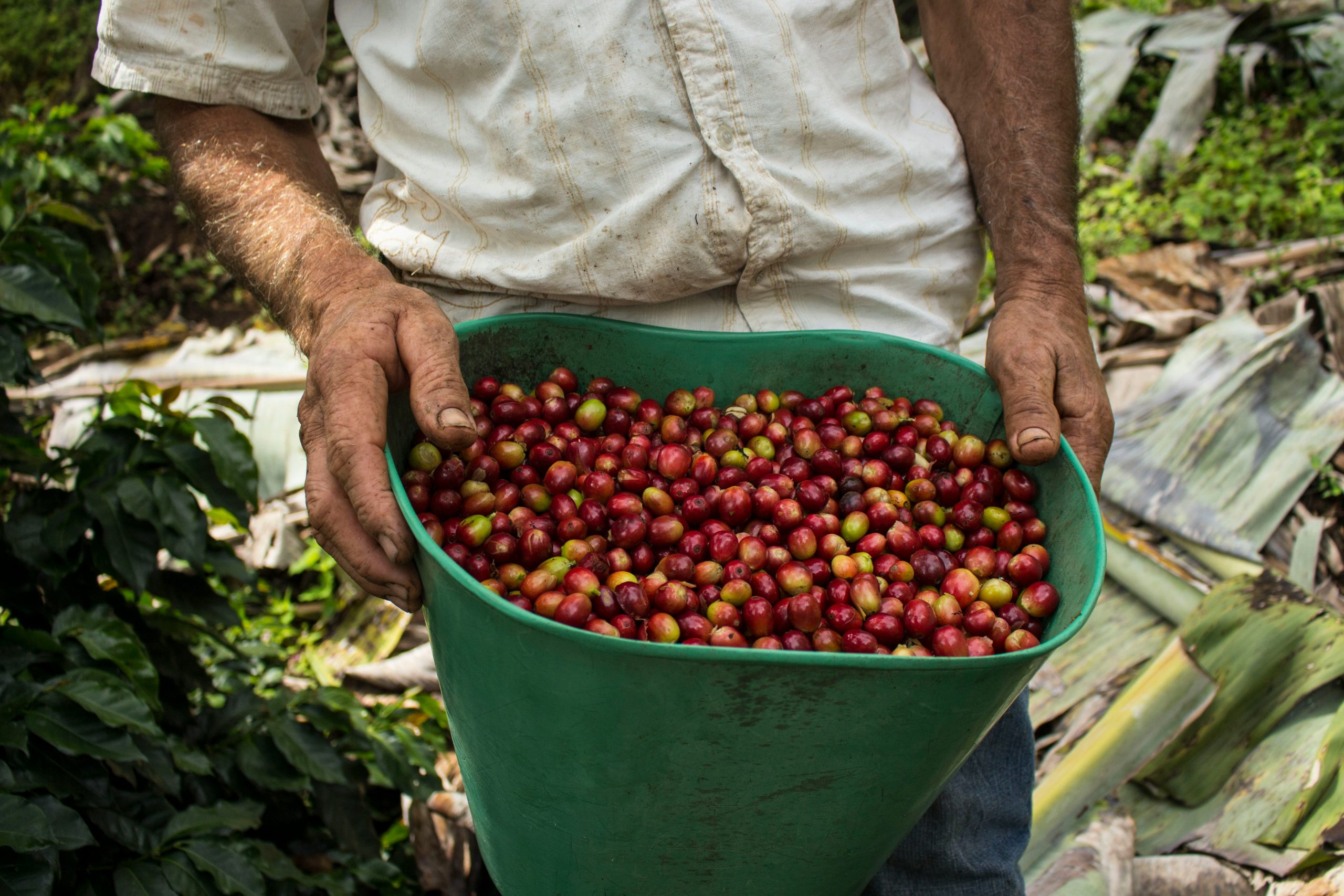
Regenerative agriculture presents a compelling opportunity to enhance farm income, improve environmental conditions, and bolster resilience for smallholder farmers across various crops and regions. The Regenerative Coffee Investment Case illustrates how the adoption of regenerative practices can significantly increase the income of smallholder coffee farmers while simultaneously reducing greenhouse gas emissions. This analysis, which applies a living income perspective to findings from seven countries, reveals that income improvements from regenerative agriculture can substantially close the gap between smallholder earnings and a decent standard of living, referred to as a “living income.”
At baseline, prior to the implementation of regenerative practices, smallholder households across the featured countries generally fell short of a living income. Specifically, farmers in Peru and Indonesia experienced the largest income deficiencies, earning merely 26% of the required living income benchmark, whereas farmers in Vietnam earned 81% of the benchmark. The analysis demonstrates that in Ethiopia and Vietnam, typical farmers could achieve a living income purely by adopting the recommended regenerative methods. In countries like Honduras and Kenya, the income gaps would significantly diminish with the integration of these practices, despite the fact that certain regions, such as Uganda and Peru, would still see farmers earning only half of the living income benchmark even after adoption.
Fostering resilience through regenerative agriculture is crucial, as it equips farms to better withstand the adverse impacts of climate change. With increased income, smallholders can save and create financial buffers, enhancing their capacity to manage market volatility and uncertainties. The report proposes multiple strategies for farmers to close the living income gap, including facilitating access to new practices, optimizing procurement processes for income stability, and developing growth potential for alternative agricultural products.
For households particularly constrained by small land sizes, farm-based income alone may not suffice to close the gap. In such cases, fostering off-farm income opportunities in collaboration with governmental and other stakeholders becomes essential. The study emphasizes the reciprocal relationship between regenerative agriculture and living incomes—greater financial security facilitates the transition to sustainable farming practices, while effective regenerative practices can drive households closer to financial stability.
The paper from TechnoServe and Sustainable Food Lab aims to clarify the potential and limitations inherent in utilizing regenerative agriculture as a means to achieve living incomes, alongside identifying complementary strategies essential for bridging the income gap. Through this approach, the report seeks to promote targeted investments and actions within the coffee sector and other agricultural value chains, thereby supporting the broader aim of financial and environmental sustainability for smallholder farmers.
Read More @ TechnoServe
Source: Coffee Talk