

Origin Is Strategy: Infrastructure For Coffee's Long Game – CoffeeTalk

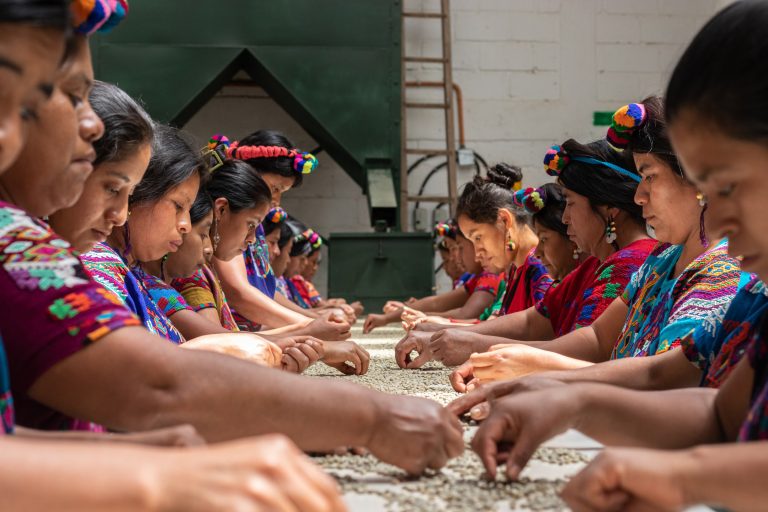
On a hillside in Guatemala, where some of the world’s finest quality coffee is grown, women sit together in a small room. Dirt floor, no windows, light breaking through the spaces between the wood slat walls. Something is cooking on an open fire stove billowing smoke inside. Women are making loan payments and borrowing again to invest in their small, cottage-type, family businesses. These small businesses contribute to their family’s income. Now, the women have a voice in their own home.
For more than a decade, The Coffee Trust has worked alongside coffee-growing families in Guatemala with a philosophy that is both simple and radical: communities identify priorities, and support follows. That order matters.
“If impact isn’t built on trust and long-term relationships, it won’t last. We’re supporting community-driven initiatives, and we’re strengthening what they are already building.”
Bill Fishbein
In specialty coffee, we talk frequently about impact. We discuss traceability, ethical sourcing, price transparency, sustainability certifications, carbon footprints, and regenerative agriculture. These conversations have helped move the industry forward. But somewhere along the way, impact began to sound transactional. Buy this coffee. Support this project. Offset this footprint. What if impact in coffee is not transactional at all? What if it is relational?
Listening Before Acting
Many well-intentioned initiatives begin with outside expertise. A problem is identified, a solution is designed, implementation follows, and results are measured. The Coffee Trust deliberately inverts that structure. Local leaders collaborate with their communities to identify priorities. Families articulate what would strengthen their stability over the long term. Programs are shaped in partnership rather than imposed from outside.
“If you help too much, you take away survival skills that have endured for centuries and you can do more harm than good.”
 That philosophy translates into practical, locally rooted initiatives. Community savings groups led by women pool resources and extend small loans within their own networks. Diversified income projects, including honey production and small enterprises, reduce dependence on a single coffee harvest. Over time, leadership grows from within the community rather than being imported from outside. This is not charity layered onto a community; it is capacity building embedded within one.
“Strengthening origin communities isn’t philanthropy — it’s long-term supply chain strategy.”
Where Commerce and Community Meet
The model extends into commerce itself. The Coffee Trust partners with Asociación Chajulense, a fair trade, organic coffee association in Guatemala. Through its Origin Strategy Network, The Coffee Trust facilitates the distribution of Chajulense coffee to roasters in the United States and beyond. When roasters purchase through this network, a portion of the sale flows back through The Coffee Trust and into community-led initiatives identified by coffee farming families themselves. The social investment is not added on top of the supply chain as an afterthought; it moves within it. That alignment creates continuity between sourcing and social impact, reinforcing both economic viability and community resilience at the same time.
Beyond the Single Harvest
Anyone working in coffee understands volatility. Weather patterns are shifting. Input costs continue to rise. Global pricing pressures remain unpredictable. For coffee-growing families, a single harvest can determine whether a year feels stable or fragile. For that reason, The Coffee Trust’s focus extends beyond coffee production. Education, entrepreneurship, women’s leadership, and health initiatives create structural supports that allow families to adapt when markets fluctuate or climate challenges intensify.
“Resilient communities protect the future availability and quality of coffee.”
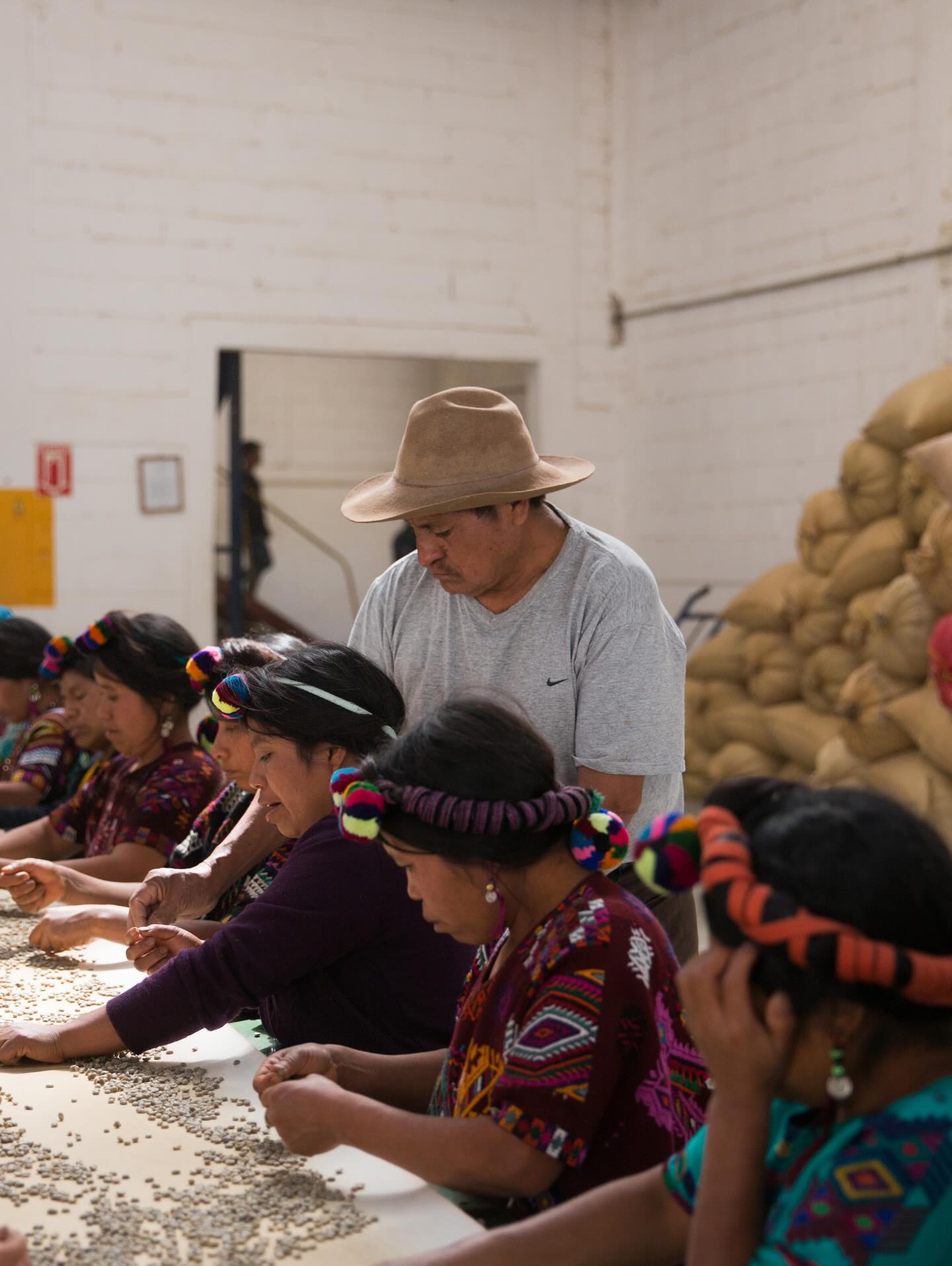 For roasters, this is not abstract goodwill; it is supply chain foresight. Thriving origin communities are more adaptive, and adaptive communities protect the long-term availability and quality of coffee. Strengthening resilience now is not only compassionate, it is strategic.
Why This Should Matter to Roasters
Roasters occupy a pivotal intersection in the coffee ecosystem. They translate origin into story, connect customers to producers, and shape how value is understood. The responsibility is not simply to respond to consumer buzzwords or shifting slogans, but to lead with clarity. The complexity of origin cannot be reduced to simple narratives. It requires explanation, context, and honesty.
There is a quiet strength in The Coffee Trust’s approach. It does not rely on dramatic before-and-after narratives or center on outside saviors. It highlights agency. Community members are leaders shaping their own future. Programs evolve as needs evolve, and trust is built over years, not campaigns. That consistency builds credibility in a market increasingly skeptical of surface-level claims.
The Long View
Coffee has always been cyclical. Harvests rise and fall. Trends shift. Equipment evolves. Consumer preferences change. Yet one constant remains: the health of the supply chain begins at origin. If climate disruption intensifies, the communities most exposed will be those operating with thin margins and limited diversification. Strengthening resilience now is not a peripheral initiative; it is long-term infrastructure.
A Conversation Just Beginning
Over the coming months, CoffeeTalk readers will hear more about The Coffee Trust and a new initiative designed specifically to engage roasters in a meaningful, accessible way. For now, the invitation is straightforward: understand the philosophy, examine the structure, and consider what partnership could look like within your sourcing strategy. Not as philanthropy. Not as a marketing tactic. But as a shared investment in the people and communities who make this industry possible. When impact is community-led, it strengthens families, builds resilience, safeguards the future of coffee, and endures long after the cup is finished.
Interested in purchasing Chajulense coffee through The Coffee Trust’s Origin Strategy Network?
(505-699-7682)
Source: Coffee Talk