

Research Begins On Paraxanthine, A Metabolic Byproduct Of Caffeine As An Alternative Stimulant To Caffeine In Energy Drinks And Coffee Products – CoffeeTalk

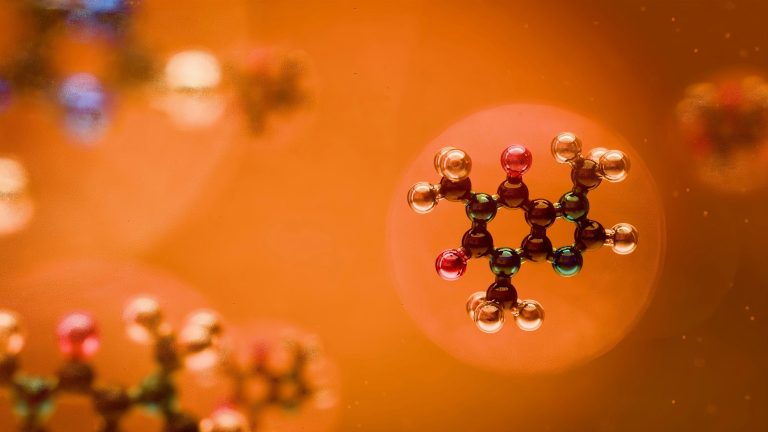
Paraxanthine, a metabolic byproduct of caffeine, is emerging as a potential alternative stimulant in energy drinks and coffee products, marketed for providing “focused, clean energy” without the common jitters or crashes associated with caffeine. Companies are exploring paraxanthine in an effort to differentiate their products in a competitive market, tapping into the broader trend of “functional” beverages that promise enhanced cognitive performance and sustained energy.
Paraxanthine acts similarly to caffeine by blocking adenosine receptors in the brain, leading to increased alertness. Early studies indicate that it may improve cognitive functions such as attention and reaction time, sometimes lasting up to six hours after a dose of 200mg. Additionally, some research suggests that paraxanthine may outperform caffeine in cognitive performance after exercising, though the evidence remains limited and replication studies are sparse. Ongoing trials are expected to yield more insights into effective dosages and everyday applications.
Despite its potential benefits, the safety profile of paraxanthine is not yet fully established. Initial laboratory studies have not demonstrated DNA damage, and paraxanthine appears to be safe in animal tests; however, human research is considerably less comprehensive compared to the extensive studies conducted on caffeine. Regulatory bodies in Europe are assessing its status as a “novel food,” with preliminary studies showing it is well-tolerated at low daily doses. Nevertheless, caution is warranted as it currently lacks a long track record in food products and is advised against for children and pregnant women.
Commercial products containing paraxanthine typically range from 200 to 300mg per serving, analogous to the stimulant doses of strong coffee or high-caffeine energy drinks. While manufacturers promote paraxanthine drinks as delivering smoother energy, these claims lack formal scientific backing; independent studies directly comparing paraxanthine with caffeine are scarce.
The evidence regarding the superior performance of paraxanthine over caffeine remains inconclusive. Long-term safety data is limited, with concerns about the effects of habitual consumption of higher doses which may exceed current research. Therefore, it is advisable for users to approach paraxanthine with similar caution as caffeine: using the minimum effective dose, avoiding late-day consumption, not combining it with other stimulants, and prioritizing sleep recovery.
In conclusion, while paraxanthine offers a promising alternative with potential benefits, current scientific understanding does not yet support claims of eliminating adverse effects associated with caffeine, necessitating further research on its long-term impact and safety.
Read More @ The Conversation
Source: Coffee Talk