

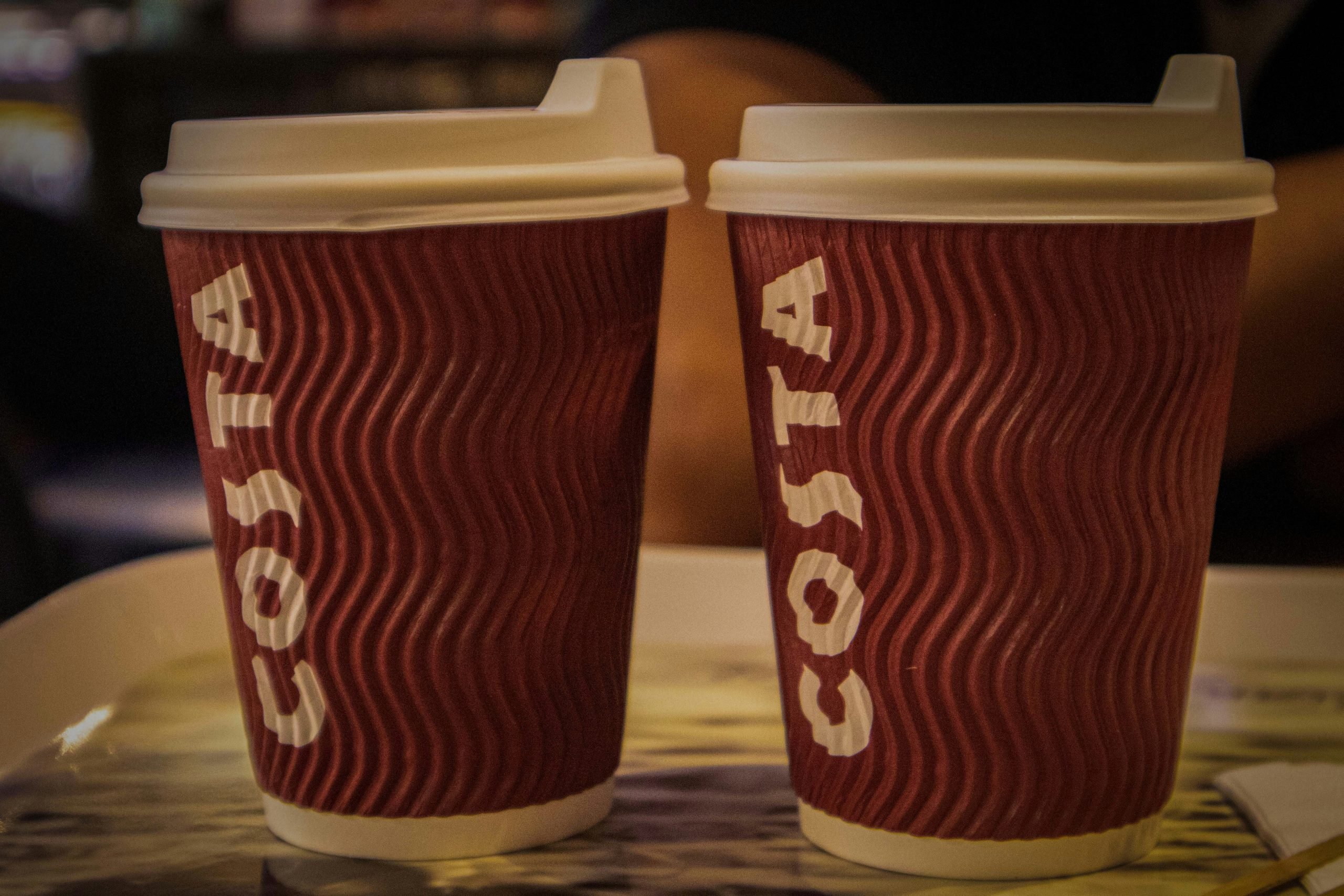
Costa Coffee Begins to Turn a Profit After Expanding Menu to Include Iced Drinks and Matcha – CoffeeTalk

Costa’s primary coffee shop division has returned to profitability after enhancing its high street locations and expanding its menu to include iced beverages, matcha, and fresher pastries. With a network of 2,700 outlets in the UK and Ireland (out of 4,000 worldwide) and a workforce of approximately 20,000 employees, the chain has capitalized on the demand from younger consumers for decaffeinated options, contributing to sales growth amid stiff competition from brands like Greggs, Gail’s, Caffè Nero, and various smaller establishments. Notably, Costa has positioned itself as the leading seller of matcha among UK cafes.
In the fiscal year ending December 31, 2025, Costa Ltd reported an operating profit of £20 million, reversing losses of £13.5 million and £5.8 million in the previous two years. Revenues rose by 5% to nearly £1.3 billion, compared to a modest growth of 1% in 2024. CEO Philippe Schaillee highlighted that the chain has experienced its strongest increase in customer visits in a decade, attributing the coffee shop’s transformation into a destination for both morning and afternoon patrons who seek a broader array of beverages, including low-calorie iced options and herbal teas.
The introduction of Costa’s new headquarters in St Albans, Hertfordshire, set to accommodate 300 employees when it launches in January, reflects the company’s renewed confidence. The organization plans to remodel about 250 stores annually, with over 1,200 of its company-owned locations already upgraded, introducing features like digital self-order kiosks in 200 UK stores. Further, the launch of the Podio office coffee machine, intended to bring barista-style coffee to workplaces, has made Costa the UK’s third-largest brand in home coffee machines, with significant growth potential projected.
This positive performance comes in light of Coca-Cola’s recent decision to retain the chain after unsuccessful attempts to sell it, despite initial expectations when it acquired Costa for £3.9 billion in 2018. Schaillee noted ongoing challenges, including rising operational costs driven by increasing coffee bean prices and competition in the market. He also mentioned the potential impact of the El Niño phenomenon on coffee production and prices, stressing the need for readiness in response to these climatic effects on South American coffee and cocoa growers.
Read More @ The Guardian
Source: Coffee Talk