

Researchers Develop Plant-Based Coating as Alternative to Plastic Liners in Disposable Coffee Cups – CoffeeTalk

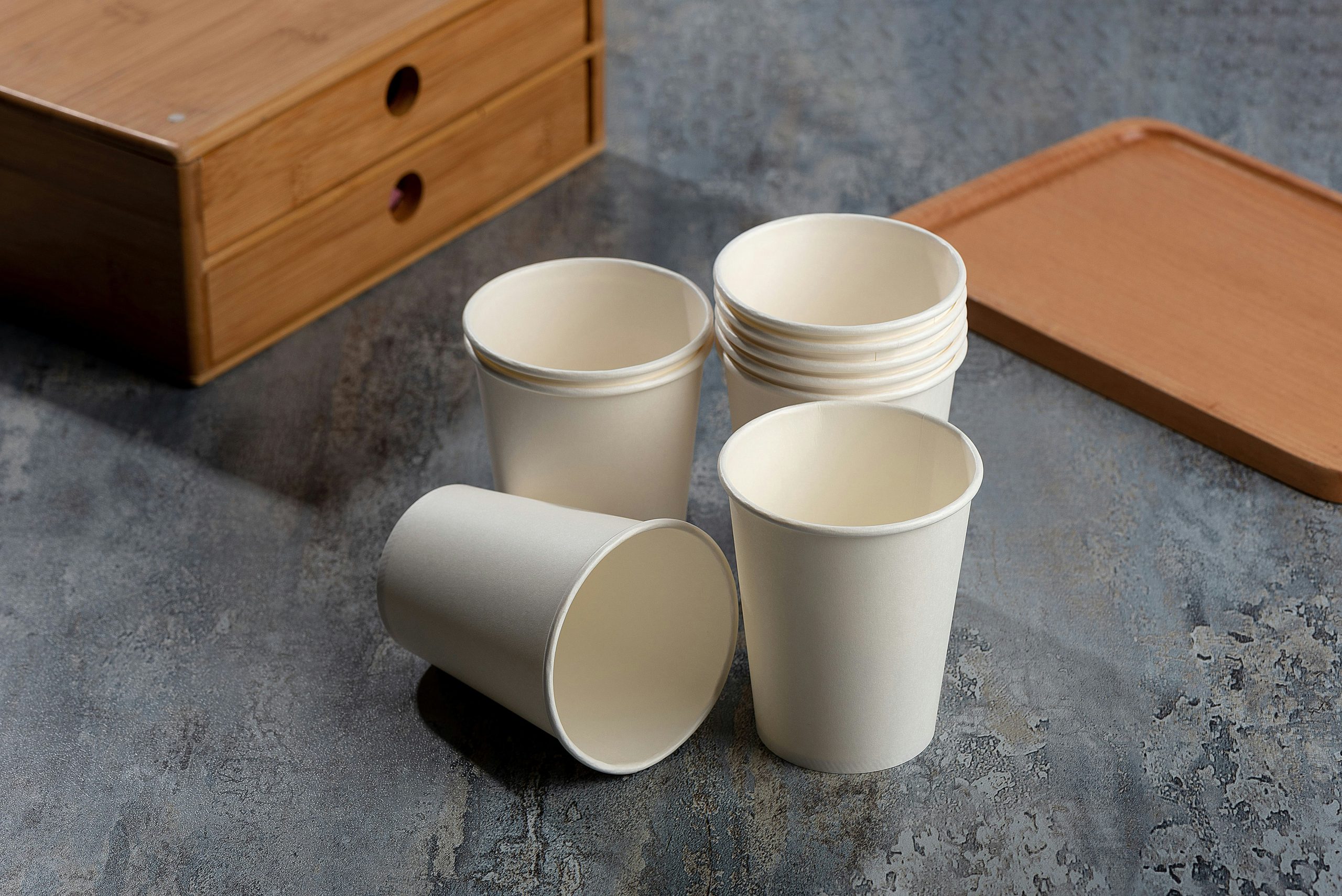
Researchers at the University of Waterloo have developed an innovative all-cellulose protective coating aimed at replacing conventional fossil fuel-based plastic liners in disposable paper coffee cups and food packaging. This eco-friendly alternative, detailed in their study published in ACS Sustainable Chemistry & Engineering, consists of a robust barrier made from plant-derived cellulose acetate reinforced with cellulose nanocrystals, a combination that simplifies the recycling process of paper by eliminating the need to separate conventional plastic liners.
Traditional single-use beverage containers are currently made with petroleum-derived plastic linings, which can remain in the environment for centuries. Tests on these conventional cups revealed surface degradation and the release of microplastic particles into hot liquids, posing risks for human ingestion. In contrast, the cellulose-based coating maintained its integrity during similar testing, showcasing significant chemical and thermal stability under various conditions, including exposure to boiling water and food oils.
Dr. Shirley Tang, leading this research, remarked on the significant findings regarding microplastic release from traditional liners and emphasized the potential of high-performance barriers made solely from plant materials. This discovery not only supports sustainable packaging initiatives but also retains protective qualities when applied to lightweight substrates like brown paper towels.
Contributing researcher Dr. Sayan Ganguly noted that the cellulose coating enables the production of thinner base paper while preserving the necessary mechanical strength and durability for beverage containers. This advancement could reduce raw material consumption during cup manufacturing, consequently lowering production costs and benefiting consumers.
The origins of this barrier material stem from previous research on lightweight composites for aerospace applications. As they sought renewable materials for aviation, the researchers recognized its suitability as a protective barrier in paper goods. The potential applications extend beyond coffee cups to include food packaging and other products where companies aim to reduce plastic reliance.
The peer-reviewed study, “A High-Temperature-Resilient All-Cellulose Barrier for Next-Generation Beverage Packaging,” was published under the digital object identifier 10.1021/acssuschemeng.6c03064 on August 10, 2026. This research highlights the dual-component system, merging cellulose acetate and cellulose nanocrystals derived from plant sources to establish a sustainable packaging option capable of withstanding extreme conditions.
Read More @ Bioengineer
Source: Coffee Talk