

The Coffee Syrup Culture War and the Rise of Craft Syrups – CoffeeTalk

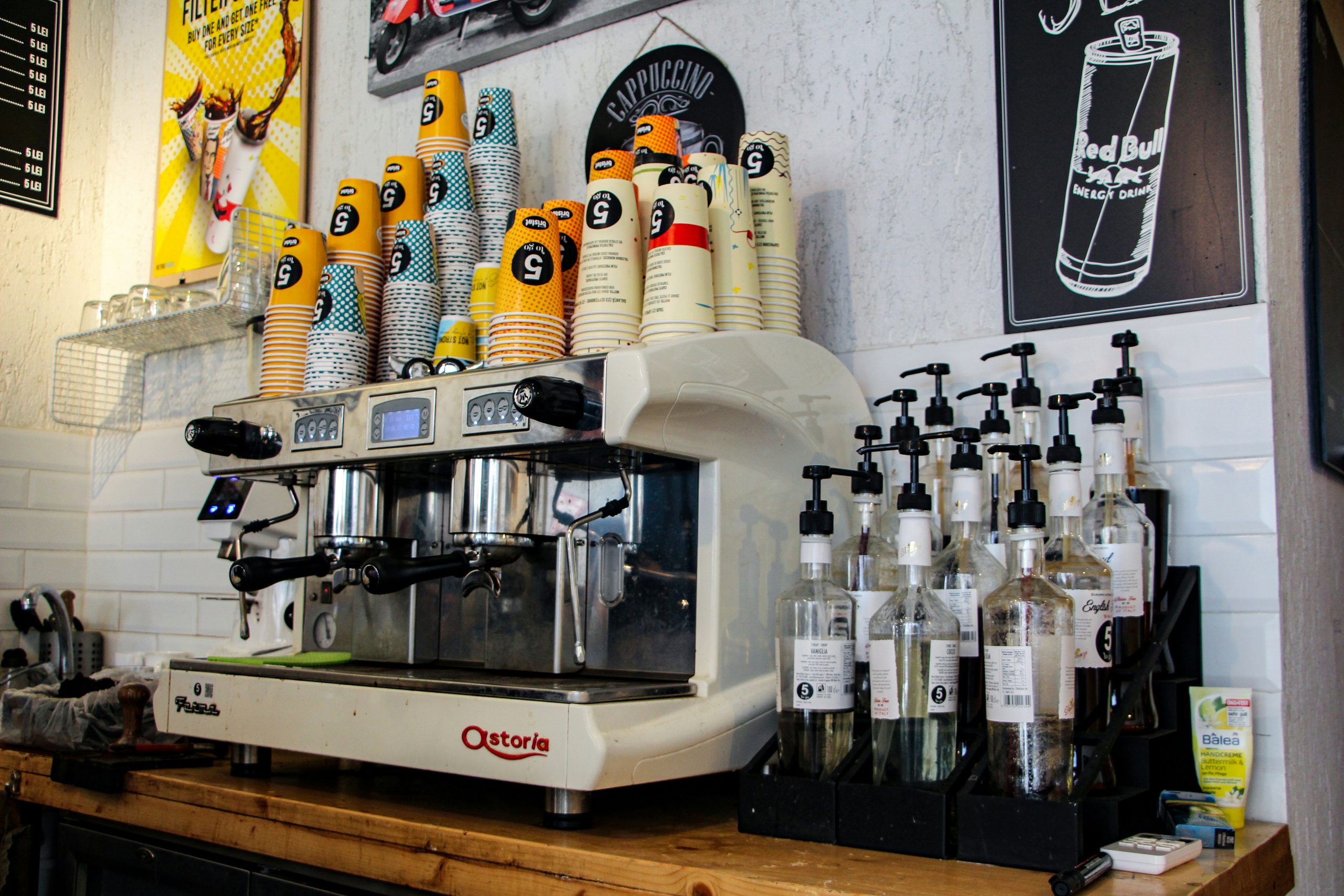
The rise of flavored syrups, particularly those produced by brands like Torani and Monin, has sparked a heated debate among coffee aficionados and independent coffee shop owners. A viral TikTok video featuring extensive displays of Torani syrups in a Pennsylvania coffee shop has incited comments expressing disdain for pre-made syrups, with social media users likening them to “coffee shop red flags.” For a segment of consumers, the use of mass-market syrups is viewed as an indicator of a lack of quality in supposedly ‘specialty’ establishments. Instead, house-made syrups have emerged as a symbol of craftsmanship, providing an opportunity for independent coffee shops to distinguish themselves from corporate chains.
Carrie and Dennis Medina of Room Service in Ventura, California, are notable examples of this trend. Initially committed to a ‘purist’ approach with no flavored syrups, customer demand forced them to adapt by incorporating in-house syrups and craft drinks. They now offer creative beverages like a cinnamon roll latte topped with an actual cinnamon roll. Their experience underscores the necessity for coffee shops to innovate in response to consumer desires for high-quality, specialty drinks.
Similarly, Michael Smith of Trust Coffee Co. in Bay Village, Ohio, shifted from a purist model to including seasonal syrups in niche flavors based on direct feedback from his customers. The increasing popularity of creative, maximalist coffee drinks reflects a broader trend in the culinary world towards ‘hyperflavor,’ where unusual flavor combinations drive customer interest.
The sentiment around pre-made syrups is not universally negative; for many shops, the transition to making syrups in-house can be a substantial investment in labor and resources. Sabrina Kaylor of Bizarre Coffee has mixed feelings about the backlash against brands like Torani, acknowledging that while her shop now specializes in house-made syrups, reliance on bottled syrups remains for certain best-sellers due to practical constraints.
Independent coffee shops like Little Joy in Minnesota have embraced social media to connect with consumers and other businesses by sharing recipes for their popular drinks. This initiative fosters solidarity among small businesses, positioning house-made offerings as a competitive advantage against large chains.
The shift in consumer preferences may stem from a growing desire for local, intentional, and high-quality products, particularly as prices for specialty coffee rise. Customers are increasingly inclined to learn about the sourcing and production of their drinks, leading them to favor independent shops that prioritize craftsmanship and local ingredients. Ultimately, the evolving landscape of coffee beverages highlights a broader movement toward personalization and quality, emphasizing that syrup choices can significantly influence the identity and success of small coffee establishments.
Read More @ Eater
Source: Coffee Talk