

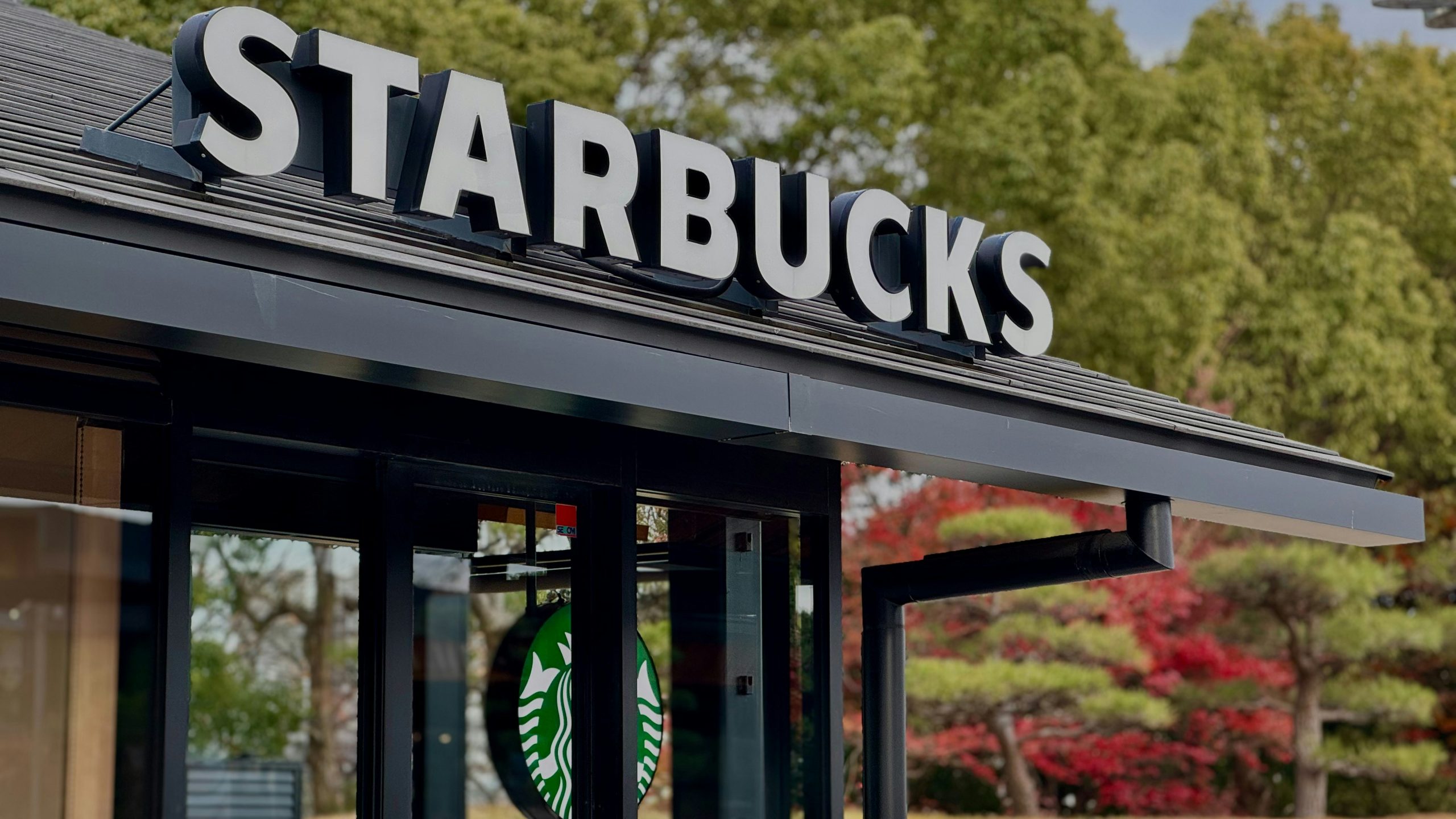
Starbucks Contemplates Potential Shift That May Bring it Beyond Just Coffee – CoffeeTalk

Starbucks, under CEO Brian Niccol, is contemplating a potential shift towards a multi-brand business model, although he emphasizes that this is not a current priority. In a recent Bloomberg interview, Niccol highlighted the possibility of expanding beyond the coffee chain, stating, “Our scale presents an opportunity to go beyond just being a one-brand company.” Despite this openness, Starbucks recently denied speculation about acquiring Chipotle Mexican Grill, a chain Niccol previously led.
Industry experts express skepticism about the feasibility of Starbucks successfully diversifying into other restaurant concepts. Jonathan Maze, editor-in-chief of Restaurant Business, pointed out that acquisitions often fail, which investors are keenly aware of. However, Roger Beaudoin, CEO of Restaurant Rockstars, believes that Starbucks’s substantial infrastructure—including purchasing power, real estate expertise, and digital ordering capabilities—could facilitate the addition of new restaurant brands. He argues that diversification could help meet varied customer needs throughout different parts of the day and reduce dependency solely on coffee sales.
Nonetheless, Beaudoin cautions that the existence of operational advantages does not guarantee high profits from branching out. He references past failed attempts at expansion, noting that many businesses thrive by focusing on their core competencies. He suggests that venturing into fast-casual dining might be less risky for Starbucks than full-service restaurants, due to the streamlined menus and lower labor demands typically associated with such concepts.
Management professor Paul Nary from the Wharton School weighs in on the strategic rationale for diversifying, critiquing it as currently underdeveloped. He warns that diversifying from a core business often leads to diminished returns or value destruction. Nary elaborates that while companies often claim that mergers and acquisitions lead to increased efficiency and cost savings, these benefits are not guaranteed and may lead to complexities that counteract anticipated advantages.
This debate comes as Starbucks experiences notable growth, posting a 7.2 percent increase in global comparable-store sales in its recent fiscal quarter—a fifth consecutive quarter of positive growth—which showcases the effectiveness of Niccol’s “Back to Starbucks” strategy. Given this momentum, there is a stronger argument for Starbucks to maintain focus on its primary business. Niccol has reaffirmed that acquisitions are not essential for achieving growth targets, yet his willingness to consider a multi-brand future hints at potential transformations in the company’s strategic landscape.
Read More @ Inc.
Source: Coffee Talk