

Vietnam's Coffee Industry and its Quest Towards Fine Robusta – CoffeeTalk

The discussion on high-quality coffee often highlights Arabica, while Robusta is stereotypically linked to mass production and less desirable characteristics like bitterness and high caffeine levels. However, the Robusta variety can also offer exceptional quality through designated classifications like Fine Robusta. This distinction is crucial, as it separates Robusta as a species from Fine Robusta, which is defined by rigorous quality criteria established by industry professionals.
Developed in collaboration with the Uganda Coffee Development Authority, the Q Robusta system assesses high-quality Robusta based on various factors, including green bean quality and cup profile, with a minimum sensory score of 80 points. The industry is increasingly piloting a new evaluation approach termed Coffee Value Assessment, which goes beyond a simplified scoring system. Importantly, achieving Fine Robusta cannot solely occur in a cupping room; it is a journey from farm to cup that involves understanding and managing multiple factors.
Four main components contribute to the elevation of Robusta to Fine Robusta: Farm, Improvement, Natural Integrity, and Expression. The foundational step begins on the farm, where ideal conditions, such as soil quality and climate factors, are essential for good fruit development. Despite Vietnam’s advantageous ecological conditions for Robusta cultivation, the challenge lies in ensuring that production focuses on quality rather than mere quantity.
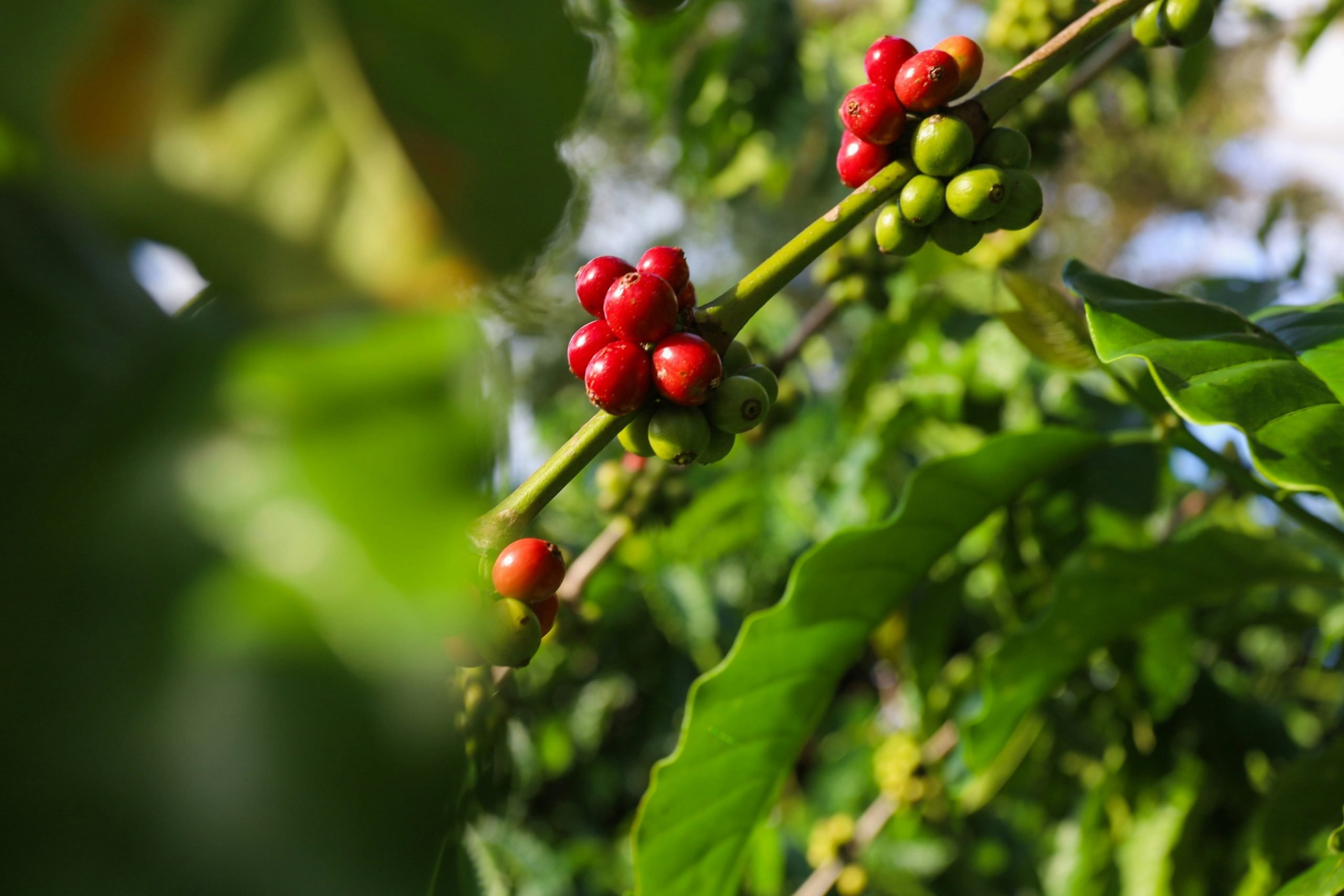
A significant barrier in producing Fine Robusta is the current harvesting practices, which often result in mixed maturity cherries. This practice needs to shift towards prioritizing the quality of harvest, favoring ripe cherries and meticulous sorting. Following the harvest, processing methods play a critical role – prevalent techniques in Vietnam include natural and honey processes. Effective drying management and proper storage techniques are vital for preserving the quality of the coffee post-processing.
Natural Integrity emphasizes the need to maintain quality throughout the entire supply chain by controlling environmental factors during storage and transportation. Finally, the Expression factor concerns how the raw coffee translates into brewed beverages, influenced by roasting, grinding, and brewing methods, ultimately telling the story of the coffee from its origins to the cup.
For Vietnam, elevating Robusta to Fine Robusta introduces significant revenue potential. Instead of only increasing production volumes, the focus shifts to enhancing the value extracted from each ton of coffee. This approach benefits farmers by creating avenues for clearer differentiation in the market, showcasing the quality of their products. The concept of Fine Robusta thus serves as a unified language connecting all participants within the coffee supply chain, paving the way for strategic improvement without solely pursuing higher quantities.
Read More @ Tuổi Trẻ
Source: Coffee Talk