

Optimizing Coffee Yields: New Research Reveals Sustainable Fruit Load Strategies for Growers – CoffeeTalk

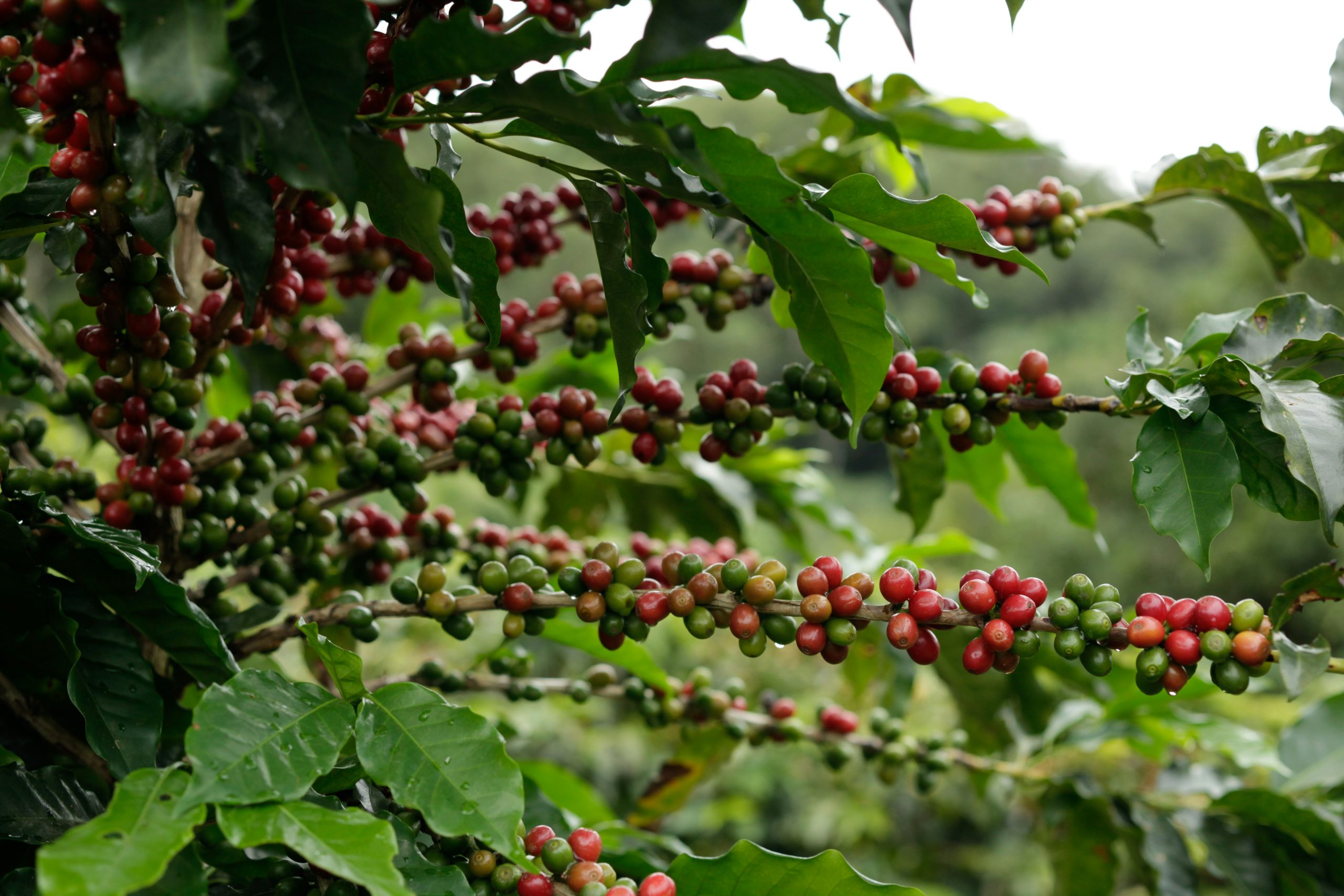
In an extensive agronomic study conducted in southeastern Brazil, researchers explored the impact of fruit load on the growth dynamics of field-grown Coffea arabica trees. They found that excessive allocation of metabolic resources to ripening berries negatively affects vegetative development, posing a challenge for the trees as they reach a physiological ceiling for reproductive output. The study involved evaluating mature coffee specimens under varying site-year conditions, revealing that increasing fruit load could lead to a reduction in vegetative biomass accumulation by up to 79% compared to defruited trees. The harvest index, which measures the proportion of active aboveground biomass allocated to fruit, increased markedly from a baseline of 0.1 to a plateau of approximately 0.75 once fruit yield surpassed 1.4 kilograms per plant.
Understanding carbon allocation in perennial crops like coffee is complex due to the concurrent processes of vegetative growth and fruit development. Unlike annual grain crops that exhibit clear separations between vegetative and reproductive phases, coffee trees continuously support new growth while maturing fruit. This study aimed to quantify how varying reproductive loads affect biomass partitioning, addressing a significant gap in the understanding of perennial crop physiology.
To conduct their investigation, the researchers established three multi-season field experiments in Minas Gerais, spanning the 2015/2016 and 2016/2017 growing cycles. The experimental sites were characterized by humid subtropical climates, with specific cultivars of coffee grown at varying tree densities. They implemented randomized experimental designs with six fruit load treatments, ranging from 0% to 100% of maximum natural fruit set.
Results demonstrated that as the fruit load increased, there was a substantial suppression of vegetative biomass. For instance, trees devoid of fruit accumulated an average of 1371 grams of new vegetative dry mass, while those with full fruit load produced only 291 grams. The analysis revealed a linear relationship wherein each kilogram of fruit dry matter corresponded to a 392-gram decline in new vegetative dry matter. Additionally, fruit production significantly outweighed the investment in leaves and stems, with a tenfold disparity observed.
The harvest index’s structural regulation indicated a critical ceiling for reproductive allocation, as it plateaued at 0.75, emphasizing that coffee plants cannot allocate more than this proportion of their annual aboveground investment towards reproduction without adverse effects on their vegetative structure. The study’s morphometric assessments further underscored significant reductions in total leaf area and number of newly produced leaves under high fruit loads, which diminished from 10 square meters in defruited trees to under 3 square meters in fully loaded ones.
This shift dramatically impacted the leaf-to-fruit ratio, plummeting from over 100 square centimeters of leaf area per gram of fruit to merely 2 square centimeters under maximum fruit loads, raising concerns about the physiological adequacy of leaf area to support fruit development—a critical threshold historically accepted as 15 to 20 square centimeters per berry.
Researchers caution against aiming for maximum harvest indices, advocating instead for moderate crop loads to ensure sustainable management of coffee orchards. They posited that a harvest index of 0.75 should not be viewed as an optimal target, as high fruit loads compromising vegetative health can undermine future productivity. Their research strongly indicates a need for balanced practices that maintain the vegetative canopy, crucial for overall orchard stability and longevity.
By linking fruit load to canopy health and harvest index stability, this study contributes valuable data for dynamic growth modeling and fruit-load management strategies in commercial coffee production, pointing to more integrated approaches that safeguard both short-term yields and long-term orchard health.
Read More @ Bioengineer
Source: Coffee Talk