

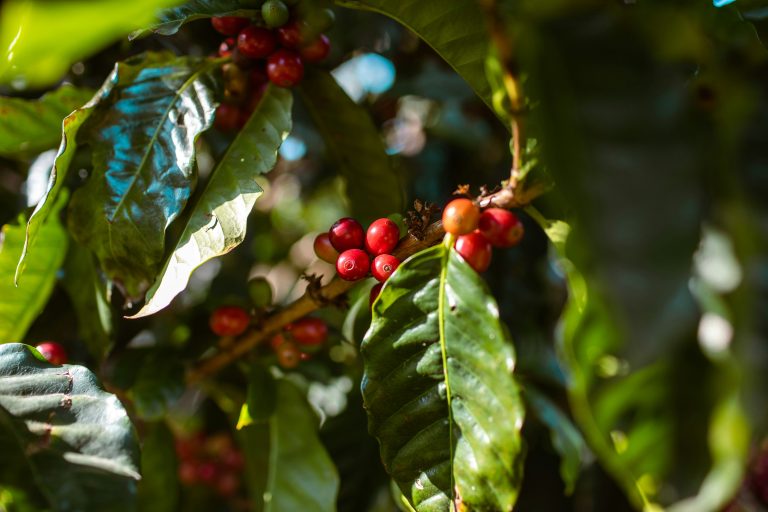
Unpredictable Weather Due To Climate Change Brings Uncertainty For Panama Geisha Coffee Farmers – CoffeeTalk

In Chiriquí, Panama, farmers growing Geisha coffee, renowned as the “world’s most expensive coffee,” approach the 2025–2026 harvest with a mix of optimism about flavor and anxiety regarding unpredictable rainfall. In 2025, a lot was auctioned for an unprecedented price of $30,204 per kilogram, raising national and international interest in Panama’s specialty coffee industry.
The coffee harvest is currently ongoing in high-altitude regions like Boquete and Renacimiento, where the process resembles a ritual yet feels perilous, with erratic weather patterns posing threats. Producers, including Ricardo Koyner of the Specialty Coffee Association of Panama and Rachel Peterson from Hacienda La Esmeralda, express confidence in high-quality yields despite a growing concern for the impacts of climate change on production consistency.
Specifically, rain poses a significant risk; it can lead to fruit splitting, which compromises both quality and quantity. Koyner predicts a potential yield reduction of 40% to 50% this harvest season due to adverse weather conditions. Peterson mentions that the harvest schedule is becoming increasingly unpredictable, with some producers experiencing earlier harvests than the previous year.
Moreover, altitude impacts the coffee’s flavor development, with Geisha coffee being cultivated at elevations reaching 2,050 meters. The rarity and price of Geisha are reflective of its careful cultivation which favors complex flavors over volume. Each farm contributes small lots for the Best of Panama competition, emphasizing the meticulous nature of coffee production where each batch is rigorously evaluated.
As harvest times vary and weather continues to be erratic, farmers contend with challenges affecting labor schedules and processing timelines. Each factor plays a critical role in creating a product that embodies a blend of artisan precision and national identity in Panama. Despite these challenges, producers remain hopeful about the potential for high-quality coffee, but their ability to maintain the title of the world’s most expensive coffee hangs in the balance, subject to the whims of climate.
Read More @ Latin American Post
Source: Coffee Talk