

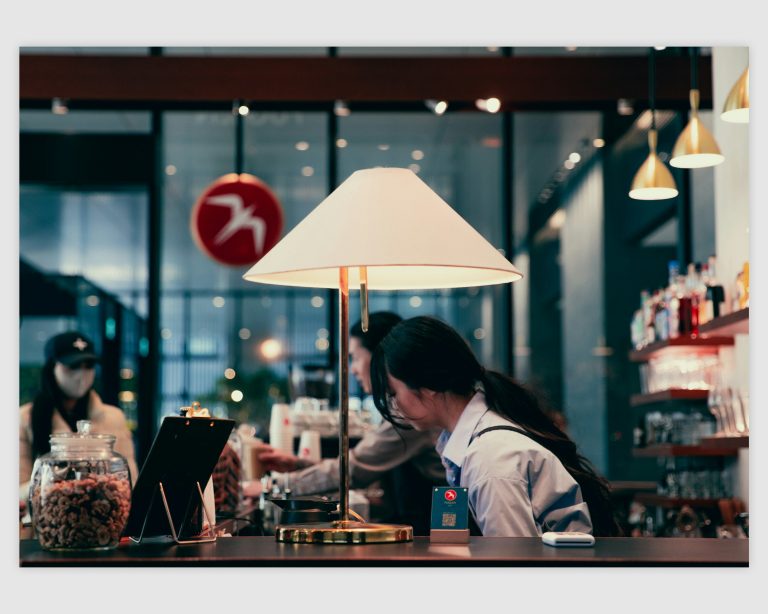
Southeast Asia's Booming Coffee Industry Begins To Shift From Expansion To Operational Efficiency – CoffeeTalk

Southeast Asia’s coffee and tea industry is entering a transformative phase where operational systems are now crucial for differentiation rather than branding or store expansion, according to a report by Momentum Works. The market, valued at $9.9 billion in 2025, has experienced significant growth, spurred by rapid outlet expansion, digital ordering, and increased consumer engagement. However, the report indicates a shift towards enhanced productivity and operational scalability as vital factors for success.
Weihan Chen, Insights Lead at Momentum Works, highlights that future competition will focus on how brands design their operational frameworks, including supply chains and digital infrastructures, rather than simply having the best drinks or most outlets. As a result, leading chains are increasingly adopting digitisation and automation in their operations, aiming for greater efficiency and throughput at store levels. Stores typically serve between 300-400 cups daily, while scaled operations can exceed 9,000 cups, driving revenue and improving margins in a competitive landscape.
The report distinguishes between coffee and tea chains, noting that the coffee sector is more scalable, with numerous brands surpassing 1,000 stores, attributed to standardized operations and consistent consumer preferences. In contrast, the tea segment remains fragmented, though it is growing. Indonesia is recognized as the largest tea market in Southeast Asia, with projections of $2.46 billion by 2025. Meanwhile, other nations like Thailand and Vietnam are experiencing rapid growth in the tea sector.
Geographically, Indonesia leads the coffee and tea market in Southeast Asia, valued at $3.5 billion, with Thailand and Vietnam following. The modern coffee segment in Indonesia alone is projected to exceed $1 billion, marking a shift from traditional consumption to branded chains. Significant growth rates are also recorded in Malaysia and Vietnam as chains expand their networks.
Chinese beverage brands are influencing operational models in Southeast Asia by introducing systematic, digital-first approaches. These include app-based ordering, automated preparations, and centralized supply chains, which regional players are beginning to emulate. Digital platforms are now essential for demand generation, particularly food delivery services, which contribute significantly to total orders, with cold beverages being particularly popular in the region.
Despite aggressive expansions, achieving scale remains challenging, as evidenced by the number of brands exceeding 1,000 stores. Leading chains are progressively entering overseas markets to continue their growth trajectory. Overall, the Southeast Asian beverage market is evolving into a multi-dimensional arena where companies are optimizing for specific value propositions while leveraging systems and operational efficiency for competitive advantage. Momentum Works forecasts that success will increasingly depend on operational execution rather than mere expansion.
Read More @ Deal Street Asia
Source: Coffee Talk