

Vietnam's Coffee Boom Comes at the Cost of Decades of Deforestation – CoffeeTalk

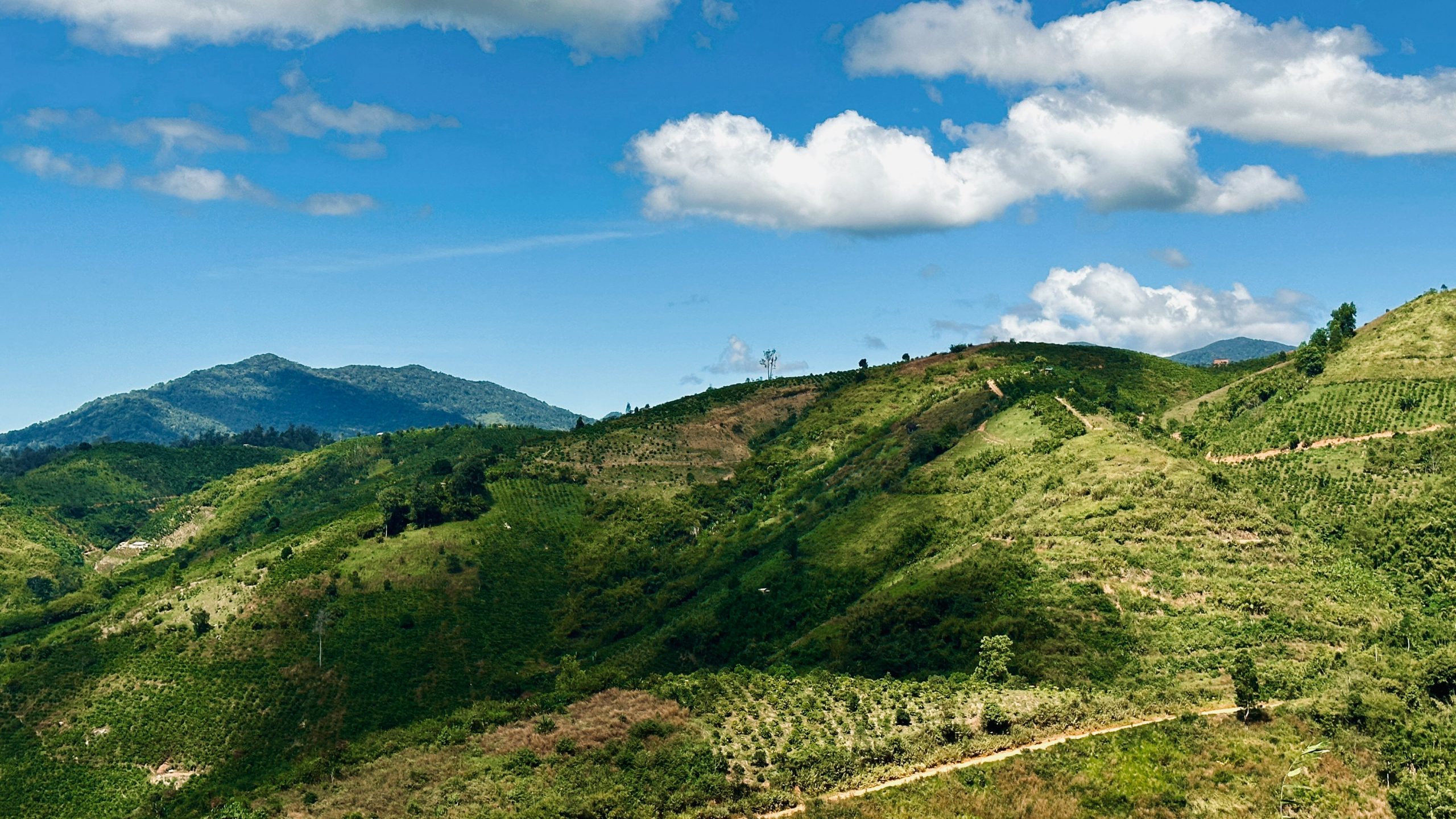
Decades of unchecked deforestation for coffee production in Vietnam’s Central Highlands have severely impacted its forests, as detailed in an investigation by Coffee Watch, a Berlin-based watchdog. Vietnam ranks as the world’s second-largest producer of coffee, contributing nearly 40% of global Robusta coffee exports.
The study utilized satellite imagery and government data, revealing a dramatic decline in tropical forest coverage in the Central Highlands—from 42.8% in 1990 to just 19% by 2020. The most significant forest loss occurred between 1995 and 2010, with the remaining forest areas now predominantly located in less accessible, higher elevation terrains, often within protected zones. Government policies and international funding historically promoted rapid coffee cultivation in this region, leading to severe ecological consequences including fragmented habitats and increased soil erosion, challenging farmers to utilize more fertilizers to maintain productivity.
The Coffee Watch report highlights that this forest loss has critical implications for water flow, soil stability, carbon storage, and pest dynamics in the area. Moreover, the adverse effects of climate change—namely rising temperatures and irregular rainfall—pose additional threats, rendering up to 50% of Vietnam’s robusta coffee plantations potentially unsuitable for coffee growth.
Ly Thi Minh Hai from RECOFTC notes that coffee expansion has been a major factor in forest depletion, yet the focus is now shifting towards enhancing the productivity and sustainability of existing coffee landscapes rather than further deforestation. She emphasizes the urgency for coffee farmers to adapt to climate change pressures, advocating for practices like rejuvenating old coffee plants, intercropping with shade trees to reduce monoculture, and improving water-use efficiency.
RECOFTC is collaborating with local communities to promote agroforestry and secure forest tenure, crucial for preventing future deforestation. Minh Hai asserts that the future of Vietnam’s coffee sector will be determined not by the extent of land cultivated but by the effective management of existing agricultural landscapes. The goal is to redefine the sector’s legacy, shifting from historical deforestation challenges to sustainable practices that maintain ecological balance while supporting local farming communities.
Read More @ Mongabay
Source: Coffee Talk