

Luckin Coffee, Mixue and Other Chinese Chains are Honing in US Consumers After Taking Notes from Starbucks and Other Western Brands – CoffeeTalk

Three and a half years ago, Starbucks was aggressively expanding its presence in China, opening a new café every nine hours under Founder Howard Schultz’s vision of tapping into the growing middle class’s desire for “affordable luxury.” Despite becoming Starbucks’s second-largest market, its growth trajectory shifted when domestic competitors like Luckin Coffee offered cheaper alternatives. By 2024, Starbucks’s market share in China dropped from 42% in 2017 to just 14%, even as it doubled its number of stores.
In an unexpected turn, Starbucks sold its China operations to Boyu Capital for $4 billion in April, reflecting a significant pivot in strategy. Conversely, Tim Hortons, another Western coffee chain, faced declining sales as well. These developments coincided with changing consumer preferences back in the U.S., where coffee drinkers began gravitating towards innovative and diverse offerings, leaving Starbucks to contend with a second wave of competition.
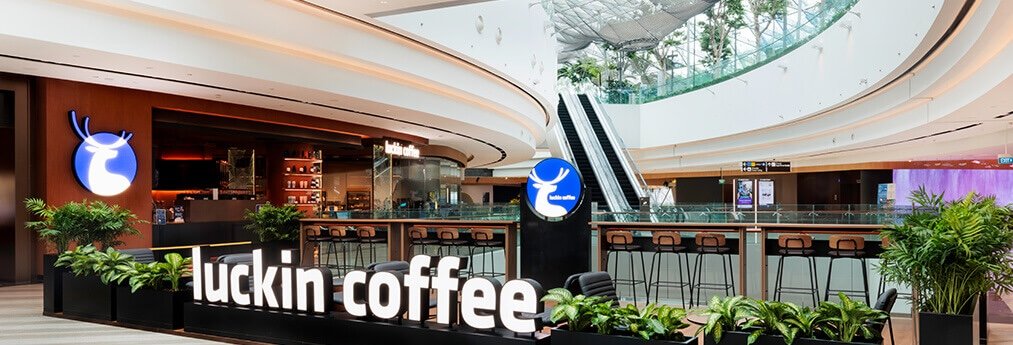
Luckin Coffee made headlines by opening its first U.S. store in Lower Manhattan, directly challenging Starbucks. Its format emphasized fast service and lower prices, contrasting sharply with Starbucks’s high-end coffeehouse experience. Meanwhile, Starbucks was shutting down underperforming stores in New York as part of a broader restructuring strategy.
Furthermore, the arrival of Mixue, a Chinese ice cream and tea chain, marked another shift in America’s beverage landscape. Since its launch in the U.S., it positioned itself as an affordable alternative, capitalizing on a catchy jingle and a vibrant brand identity. This highlights the growing influence of Chinese brands in the American market, as they learn from past U.S. entries into China and adapt their marketing strategies to appeal to American consumers.
As both Starbucks and other Western brands adjust to this competitive environment, the experience illustrates a broader narrative of cultural exchange and adaptation in a globalized retail landscape. Understanding consumer behavior, pricing strategies, and branding plays a pivotal role in determining which companies will thrive in an increasingly crowded market. The saga of Starbucks in China and the emergence of brands like Luckin and Mixue suggest that the tide is turning, posing new questions about cultural appropriation and localization in international business.
Read More @ FC
Source: Coffee Talk