

How technology is evolving for smaller roasters

Estimated reading time: 8 minutes
Key takeaways
- Compact roasters now match capabilities once exclusive to large production machines.
- The Stronghold S2 combines convection and radiant energy in a dual-heat system.
- Automation and precise heat control support beginners and professionals alike.
- Low power draw and small footprints remove installation barriers for businesses.
For decades, the size of a coffee roaster dictated what it could do. Larger machines offered greater control and more consistent results, while smaller models were typically reserved for sample roasting and training.
But this distinction is changing. A new generation of compact roasters, fitted with AI-assisted automation, precise heat control and intelligent profile management, is expanding what roasters at every level of experience can achieve.
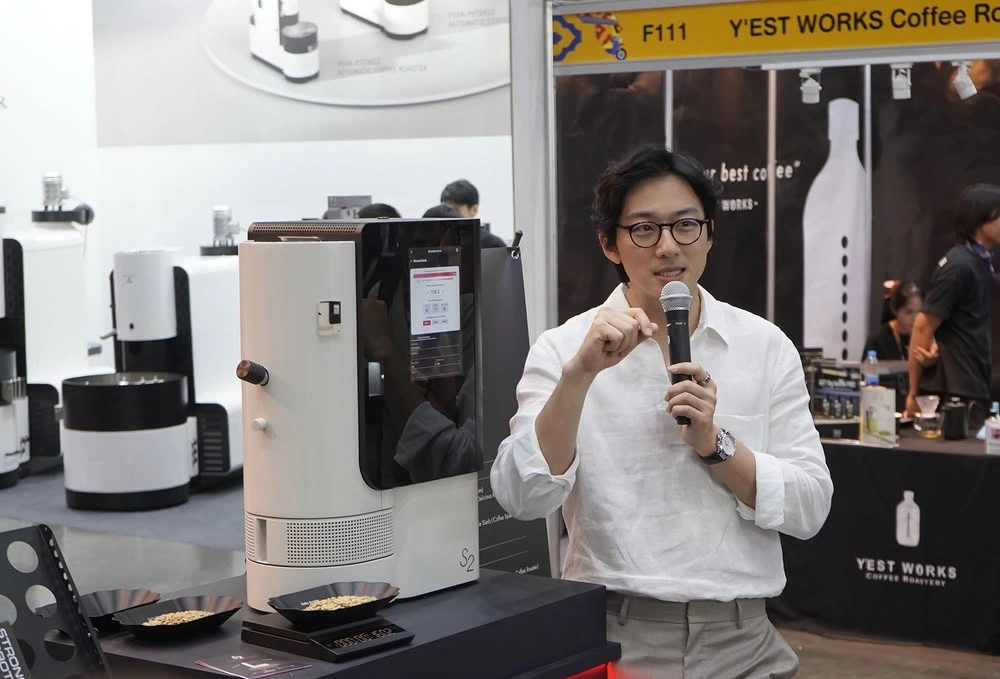
“Traditionally, smaller roasting machines have often been viewed primarily as sample roasters or entry-level equipment,” says Julia Ahn, Director of Business Division at Stronghold.
“We saw a gap in the market, as many roasting machines are designed primarily for either beginners or experienced professionals,” she adds. “Our goal was to bridge that gap by developing a roaster that lowers the barriers to getting started while still providing the precision, consistency, and flexibility that professionals expect.
“Ultimately, we wanted to build one machine that could continue to grow with its user, rather than requiring them to outgrow the machine.”
You may also like our article on how in-house roasting can help cafés manage prices.
Smaller roasters become more advanced
Compact roasters have long occupied a niche in the market, used mainly for evaluating samples or as a first machine for beginners.
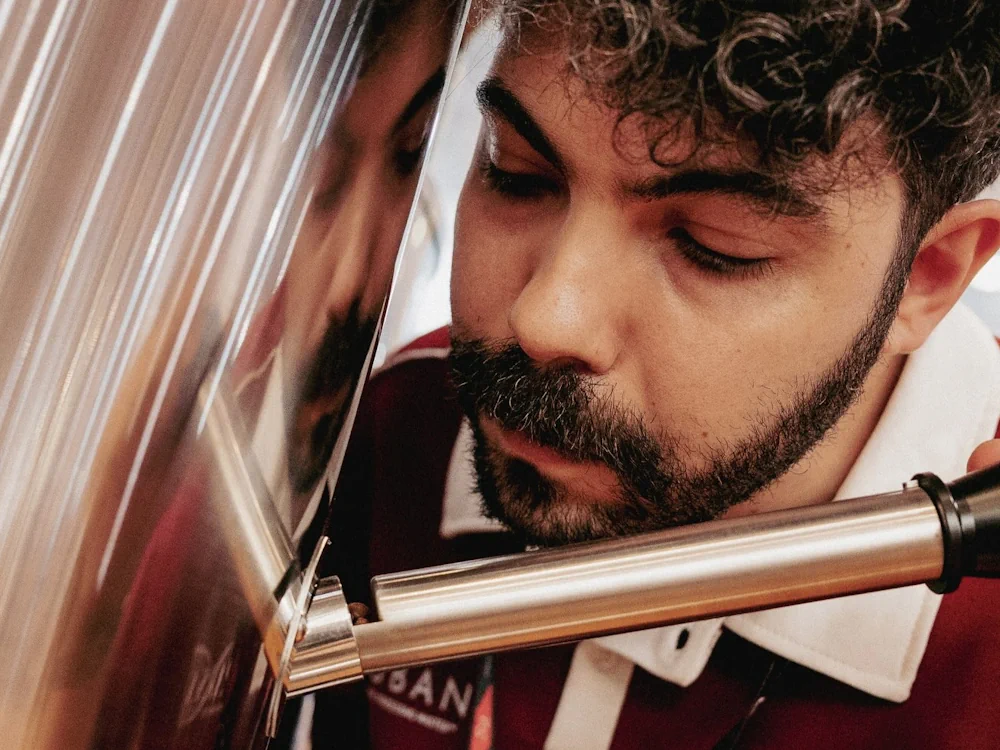
“My biggest scepticism with small roasters is their ability to roast profiles beyond a sample roast,” says Ben Put, co-founder of Monogram Coffee, head roaster for the Best of Panama competition, and seven-time Canadian Barista Champion.
The market, however, is shifting. Demand for quality coffee continues to rise, reaching record highs in markets such as the US, and brands face growing pressure to meet consumer expectations.
“Many roasting machines are designed primarily either for beginners or for experienced professionals,” Julia says. “Our goal was to bridge that gap by developing a roaster that lowers the barriers to entry while still providing the precision, consistency, and flexibility that professionals expect.
“Ultimately, we wanted to build one machine that could continue to grow with its user, rather than requiring them to outgrow the machine.”
Features once found only on large production equipment, such as automated roast profiling, real-time temperature monitoring and AI-assisted consistency tools, are now built into machines small enough to sit on a countertop.
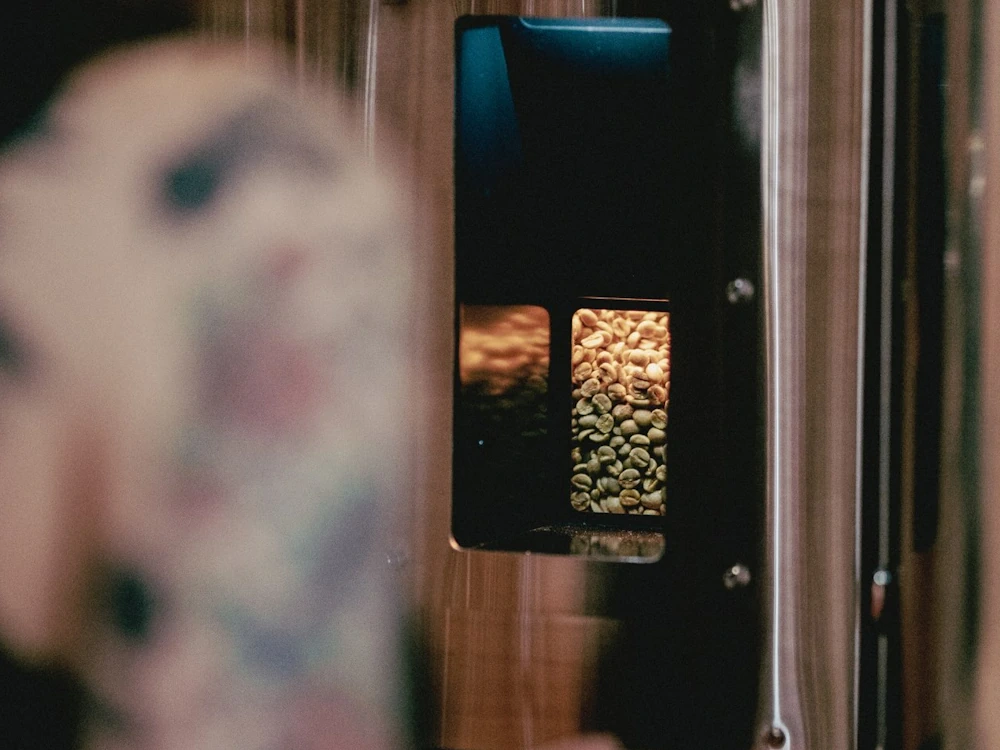
The Stronghold S2, for example, roasts batches of 80g to 300g, draws up to 2kW of power, and combines convection and radiant energy in a dual-heat system. Its X-lens infrared sensor monitors bean temperature in real time, allowing AI-driven software to replicate profiles consistently across every roast.
“Even with a full batch, I can have very short roast times with lots of energy throughout the roast,” Ben explains. “I can also roast a large variety of batch sizes – whether for samples, filter, or espresso – with the exact same quality results.”
Supporting a range of capabilities
The specialty coffee industry is expanding worldwide, with fast-emerging markets in Southeast Asia and Eastern Europe adding to demand. Equipment now has to serve a far broader range of skill levels.
“When people start roasting, the learning curve is very steep. Not only do they have to implement the theory learned through books and other forms of education, but they also must learn the intricacies of the roasting machine,” Ben says. “Even if you know the roast profile curve you want to create, it can take time to learn how to control a roaster to achieve that.
Manufacturers therefore face a dual challenge: machines must lower the barrier to entry to roasting while maintaining quality, consistency, and stability.
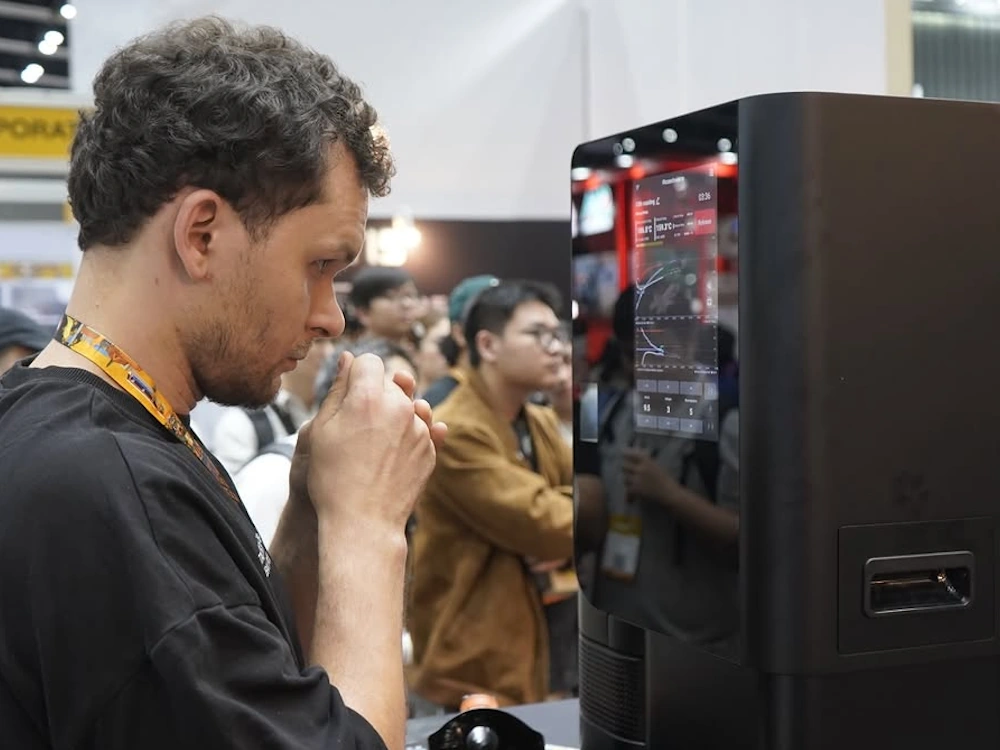
“The S2‘s built-in touchscreen is simple and intuitive, so anyone familiar with using similar interfaces like tablets can start roasting and explore flavour without a long period of learning how to operate the machine,” Ben adds. “Users can also begin with pre-set Program Modes and optimised roasting profiles, allowing them to focus on understanding how roasting influences flavour.”
Experienced users, meanwhile, expect fine control. The S2 offers heat adjustment across 100 levels, in 0.1-unit increments, for the subtle changes that professional profile development demands.
“Profile data is displayed clearly, making both roasting and roast profile analysis simple and fast,” Ben says. “As the user gains experience and knowledge, the S2’s precise controls and sensor sensitivity enable them to further hone their coffee to the most exacting standards possible.”
The result is that a roaster’s ambitions are no longer limited by the equipment itself. Automation and AI support this shift, managing variables to replicate roast profiles consistently.
“The S2’s precision and ability to adjust agitation and multiple forms of heat give experienced roasters a tool that matches their growth in their roasting journey,” Ben tells me. “The accuracy carries over to the auto-replication. As roasters gain experience, not every roast offers the same amount of learning. By using auto-replication, roasters can focus on other tasks while the S2 does the work.”
Opening up new roasting opportunities
Roasting has long been constrained by size and capacity. Larger machines demand substantial electrical infrastructure, dedicated ventilation, and floor space that many businesses and education centres simply do not have.
Compact, countertop roasters are changing that.
“Compact size wasn’t simply about making the machine smaller, but making roasting more accessible,” Julia says. “Available space and electrical infrastructure often influence purchasing decisions, particularly for cafés, educational institutions, coffee producers, and smaller businesses.”
The S2‘s maximum power draw of 2kW, combined with its small footprint, removes much of the installation complexity that has historically put roasting equipment out of reach.
For micro roasters in particular, one machine that handles both production and profile development, without the need for a second, larger unit, can improve operational efficiency.
Producers can access roasting
The practical effects reach across the supply chain. At origin, producers evaluating processing methods have traditionally sent samples to roasters elsewhere, delaying quality assessment.
Ben, who works closely with producers at origin, sees roasting as central to this process.
“Coffee processing is developing at a rapid rate, with constant innovations, new technology, and an openness to different flavour profiles,” he explains. “All of these advances have different effects on green coffee, which requires different approaches to roasting.
“A heavily fermented coffee will require a much lighter touch than a classic washed coffee. If producers are unable to easily adjust profiles to account for differences in green, it becomes much harder to properly evaluate the viability of new processes,” he adds. “The same applies to new varieties and species entering the market. Given the differences in shape, density, chemical precursors, and sugar contents, a high-precision roaster is essential to achieve an optimal profile for each coffee.”
Equipment at origin, Ben argues, was rarely designed with this in mind. “Many sample roasting machines at origin were designed to roast a similar style of coffee many times a day, but not to precisely profile many different styles of coffee for evaluation,” he says.
Smaller roasters allow producers to roast and cup their own coffees closer to where they are grown.
“With more optimal profiles, producers can taste small changes on the cupping table with a higher degree of clarity, allowing them to precisely tailor their production and processing,” Ben adds.
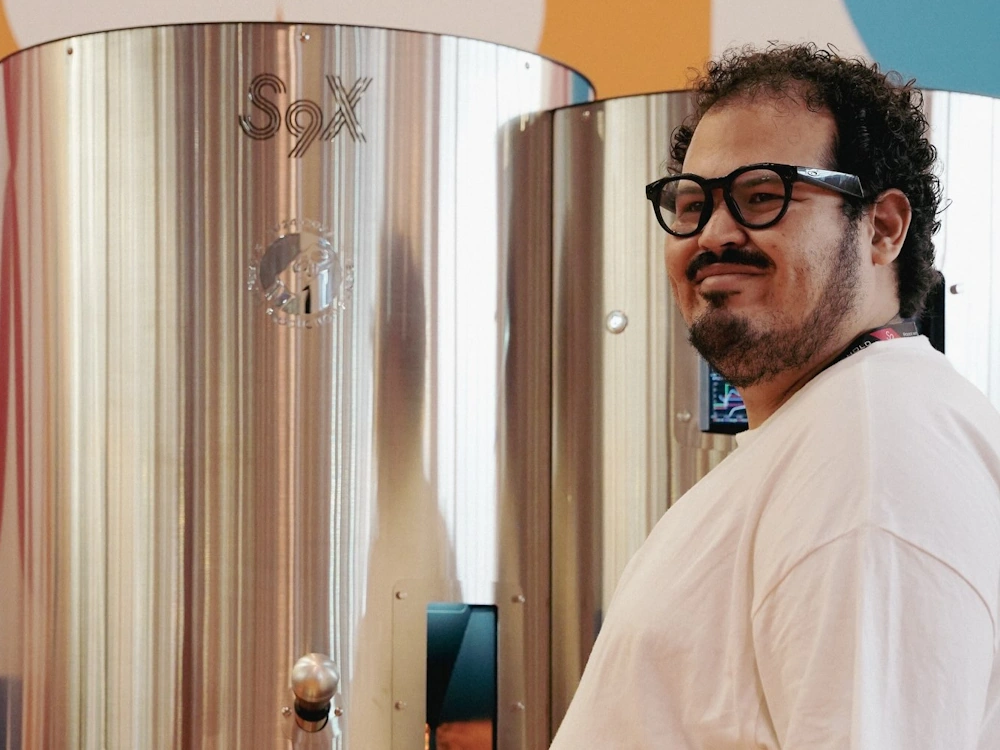
Roaster size no longer defines roaster capability. Compact machines such as the Stronghold S2 combine AI-assisted automation with professional-grade control, serving users from first-time roasters to competition professionals.
As specialty coffee grows across new markets and producers demand better evaluation tools at origin, accessible equipment that grows with its user looks set to shape the future of roasting.
Enjoyed this? Then read our article on why roasting deserves more attention at competitions.
Small roasters key takeaways
What can compact coffee roasters do now?
Machines such as the Stronghold S2 roast batches of 80g to 300g and include automated profiling, real-time temperature monitoring, and AI-assisted consistency tools. These features, once reserved for large production equipment, now fit in a countertop machine.
Who benefits from smaller, smarter roasting machines?
Beginners can start with pre-set programmes and learn how roasting shapes flavour, while professionals get fine control, including heat adjustment in 0.1-unit increments. Cafés, education and training centres, micro roasters, and producers with limited space or electrical infrastructure also gain access.
Why does compact roasting equipment matter at origin?
Producers have traditionally sent samples abroad for evaluation, delaying quality assessment. Compact roasters let them roast and cup their own coffees near the farm, so they can taste small changes clearly and tailor processing methods with greater precision.
Photo credits: Stronghold
Perfect Daily Grind
Please note: Stronghold is a sponsor of Perfect Daily Grind.
Want to read more articles like this? Sign up for our newsletter!
Source: Perfect Daily Grind