

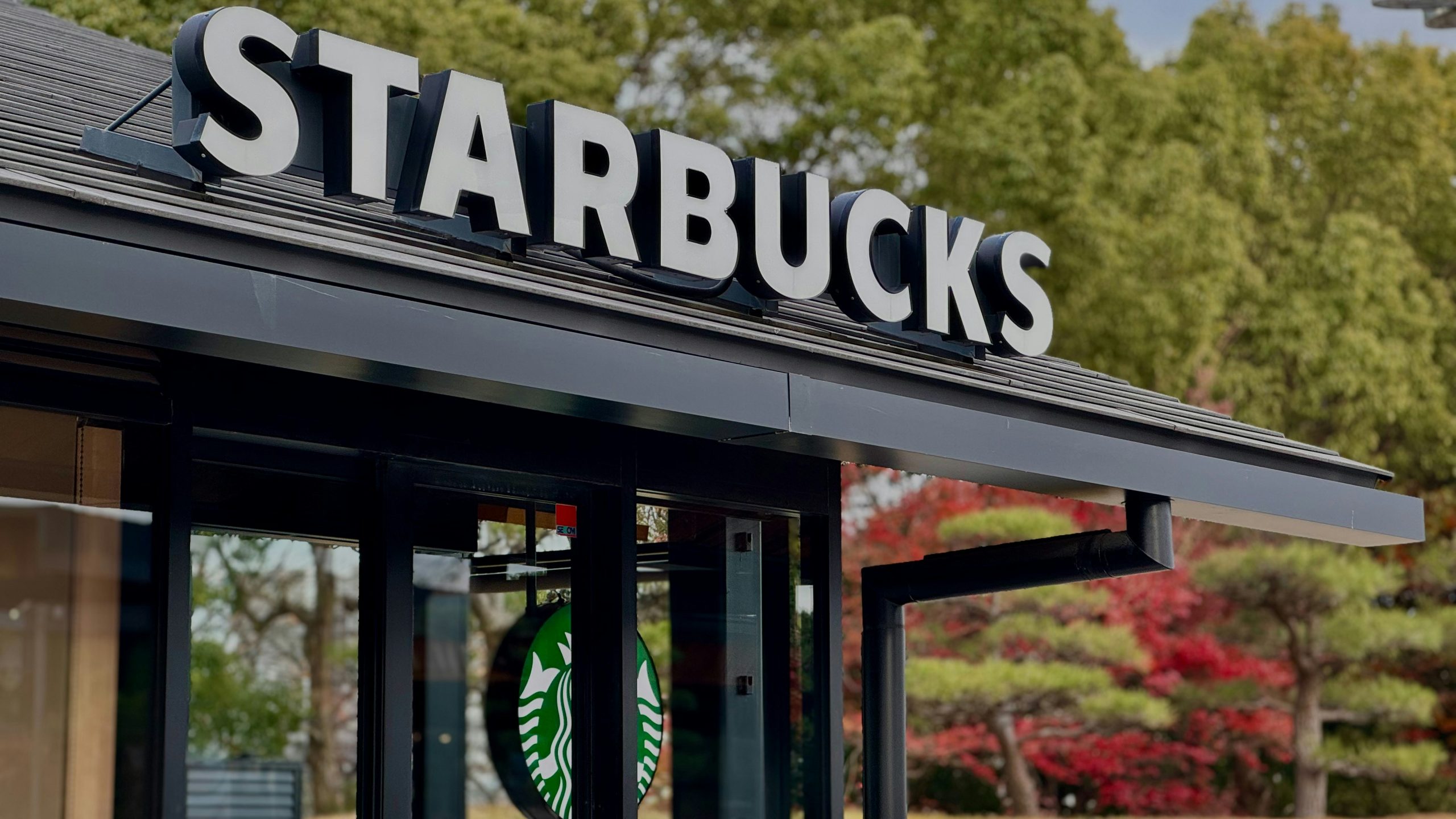
Starbucks Shifts to Model that Minimizes Direct Store Investment with More Licensed Coffee Shops – CoffeeTalk

Starbucks is evolving its business model to minimize direct investments in its coffee shop operations. By the end of the third quarter of fiscal 2026, 67% of its global coffee shops were operated by licensees, contrasting with 33% under direct company management. With a global presence of 41,304 coffee shops, Starbucks leverages partnerships to expand its reach without shouldering the complete burdens of real estate investments, staffing, and daily operations. This strategy was underscored by Starbucks’ recent transition of its retail business in China to a joint venture, resulting in approximately 90% of its international operations adopting a licensed structure.
In this licensing model, external entities operate licensed coffee shops while utilizing the Starbucks brand and operational systems. Partners contribute to the capital needed for opening and managing these stores. Revenue for Starbucks derives mainly from royalties, product sales to these operators, and fees defined in commercial agreements. Although this model results in a decrease in recognized revenue per shop, it conversely decreases operating costs and the capital expenditures needed for new locations. Company-operated coffee stores allow Starbucks to fully recognize transaction values while incurring various operational costs.
Starbucks’ structure in China has shifted notably following a transaction completed in April 2026 with Boyu Capital, where the company retained a 40% stake while delegating operational responsibilities to its partner. Consequently, Starbucks ceased to incorporate all sales from its Chinese stores directly into its financial reports, leading to a significant 34.2% drop in international segment revenue, indicating a fall from $2,010.7 million to $1,322.6 million. This decline does not imply a corresponding reduction in consumer spending, as international comparable store sales rose by 5.7%.
The transition to a licensing model has also positively influenced Starbucks’ financial metrics, seen in the rise of the international segment’s operating margin from 13.6% to 19.1%. During the quarter, Starbucks generated $53 million in revenue related to its Chinese operations, showcasing an exceptional margin above 100%, attributed to licensing revenue and its joint venture’s accounting treatment. Starbucks predicts that as the business under this new structure expands, its economic advantages will become more apparent.
Despite improved capital efficiency through licensing, Starbucks also emphasizes the importance of maintaining service quality across its international network. Plans are underway to apply consistent operational standards used in company-operated stores to their licensed partners. The existing GROW system, which evaluates sales, operations, and customer experiences, is being scaled to uphold these standards.
Regarding geographical distribution, North America concluded the quarter with 18,371 coffee shops, while the international segment accounted for 22,933 locations. The U.S. alone contributed approximately 41% of the global count, totaling 16,933 stores. Although Starbucks opened 27 new company-operated shops in North America, it experienced 41 net closures in the licensed segment. In contrast, the international sector added 189 net new locations, becoming the predominant force in global expansion efforts. Looking ahead, Starbucks aims to add between 600 to 650 net new shops throughout fiscal year 2026, particularly focusing on international markets, while growth in North America’s company-operated locations may remain modest through 2027. In China, Starbucks has set a long-term aspiration to reach nearly 20,000 coffee shops, albeit without a specified timeline.
Read More @ Merca 2.0
Source: Coffee Talk