

From Green Squeeze to Green Ease: How Strategic Policy Could Benefit Smallholder Producers

Climate trade rules can shut out the very farmers who protect forests—but smarter design can help turn a “green squeeze” into “green ease” for coffee.
BY BHAVI PATEL
BARISTA MAGAZINE ONLINE
Featured photo by Mariela Ferbo
What to know:
- Nonprofit ODI Global uses the term “green squeeze” to describe the rising costs that climate trade rules impose on smallholder coffee producers
- Estimates say that up to 60 percent of Ethiopian smallholder coffee growers could face exclusion from the EU market
- ODI Global is proposing policies that support a “green ease,” pairing climate rules with finance, proportionate verification, and local data systems that will help smallholder coffee farmers better meet sustainability requirements
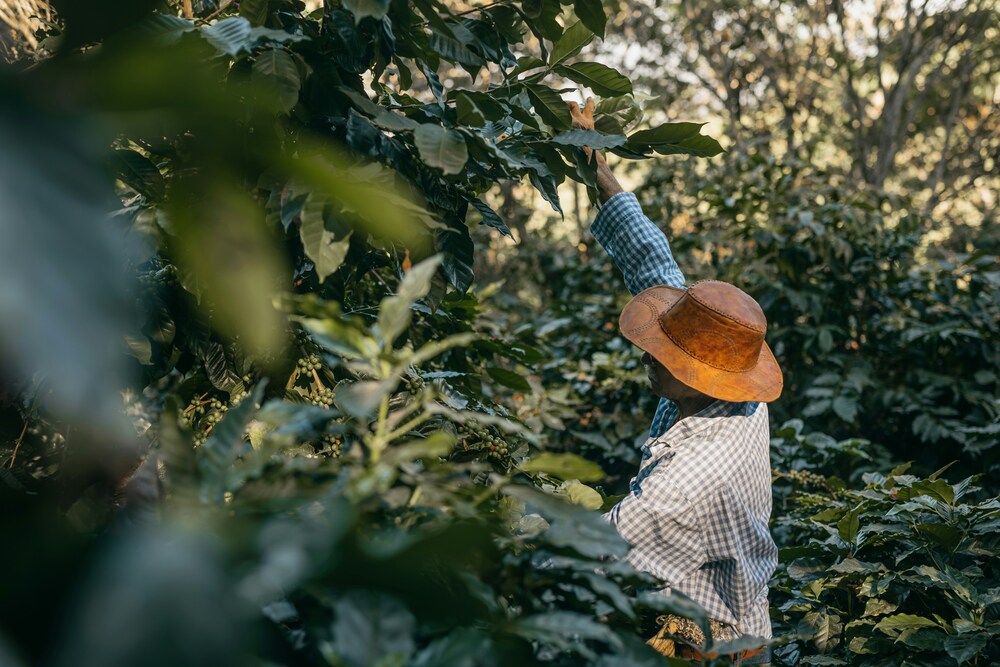
Specialty coffee loves a good origin story, but new climate trade rules are testing who gets to tell it. The EU Deforestation Regulation asks every cup to prove it is forest-friendly, yet farmers growing coffee under native canopies often lack the maps and paperwork to show it. ODI Global calls the resulting pressure on poorer producers a “green squeeze,” and the nonprofit has begun championing a “green ease” instead: policy that rewards good stewardship without pricing smallholders out.
For roasters, importers, and cafe owners, this is not abstract diplomacy; it helps decide which coffees reach your menu next year.
The squeeze
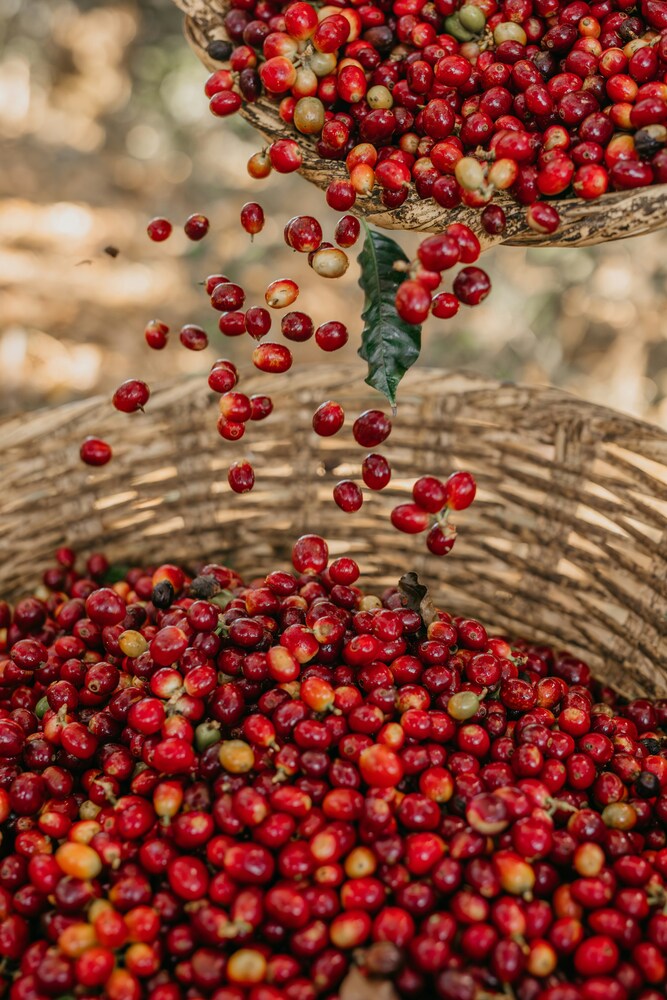
According to ODI Global, the green squeeze is the direct and indirect effects of green trade measures that raise the cost and complexity of exporting when no adjustment support exists. Ethiopia shows the stakes, for instance. Over 90 percent of its coffee comes from smallholders farming under native forest canopies, and up to 60 percent of them could face exclusion from the EU market. Worst-case modeling puts losses at $453 million in export revenue.
Ethiopia’s coffee authority counters that over 99 percent of farms are deforestation-free. Both views can hold. The gap lies between farming responsibly and proving it, and the EU buys about 30 percent of Ethiopia’s coffee.
The ease
ODI introduced the green ease at a side event of the United Nations COP29 climate summit, as practical entry points that boost competitiveness and structural transformation instead of shutting producers out. For coffee, that means treating compliance as shared infrastructure.
An IGC policy brief argues that Ethiopian compliance cannot be a pass-or-fail test for smallholders. It calls instead for a shared investment in an enabling ecosystem, and urges recognition of participatory forest management agreements and customary certificates as proof of legal land use.
Kenya’s map room: Ease in practice
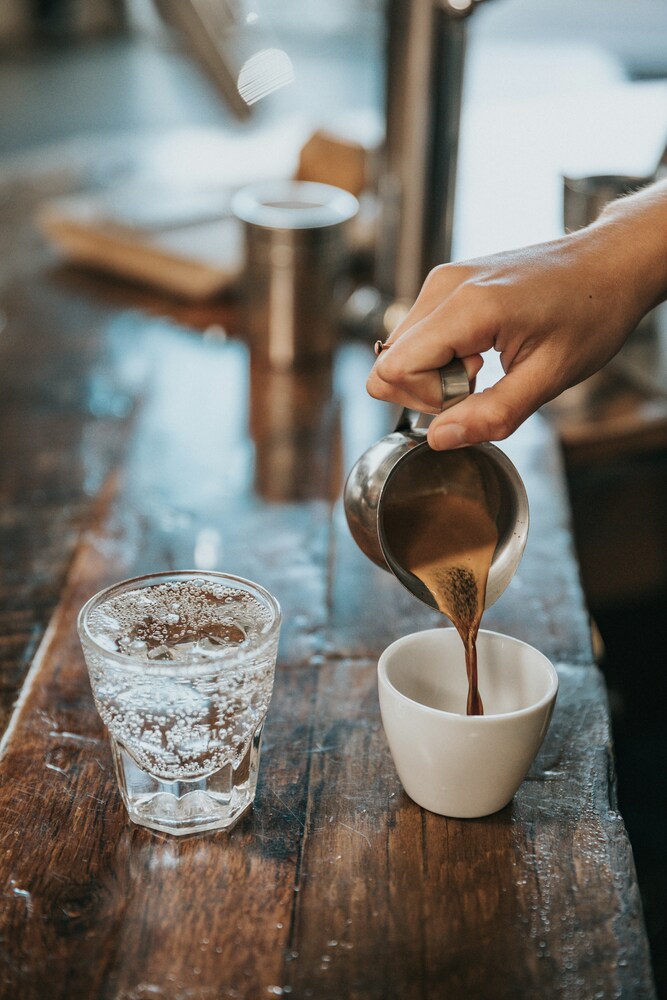
Kenya offers a preview. TradeMark Africa reports the country has mapped about a third of its coffee acreage, with the Agriculture and Food Authority and cooperatives leading and Sweden supporting stakeholder workshops. The stakes are high: Smallholders grow about 70 percent of Kenyan coffee, and the EU buys 55 percent of exports. Cooperatives are the practical channel, since full traceability currently ends at the wet mill where coffee is pooled.
The lesson for the specialty-coffee community is that sustainability rules succeed when they travel with money, maps, and patience. Farmers who protect shade trees should not need a data science team to prove it. Roasters and importers can help by funding cooperative mapping, sharing traceability data, and paying premiums that reach the farm gate. Regulators can help by recognizing risk-based and cooperative-level verification.
A green ease will not appear on its own, and the disputed numbers show how much work remains. Still, the direction is clear: The coffees we celebrate for their forests deserve a path to market that keeps them standing.
ABOUT THE AUTHOR
Bhavi Patel is a food writer focusing on coffee and tea, and a brand-building specialist with a background in dairy technology and an interest in culinary history and sensory perception of food.

Subscribe and More!
As always, you can enjoy your own copy of Barista Magazine by subscribing or ordering an issue. Long live physical media!
You can read the digital edition of Barista Magazine for free here.
Support Barista Magazine and show your love with a Membership.
Signup for our weekly newsletter.
Join us at Camp Coffee Shop in Napa, California.
Source: Barista Magazine