

Vietnam Brews Sustainable Coffee Future with Global Partnerships – CoffeeTalk

As the coffee industry faces intensified scrutiny regarding sustainability, producers are increasingly required to provide comprehensive details on product origins and environmental impacts. Vietnam, a key coffee exporter, is responding to mounting pressures, particularly from European markets where demands for sustainability, emissions reduction, and transparency are becoming more stringent.
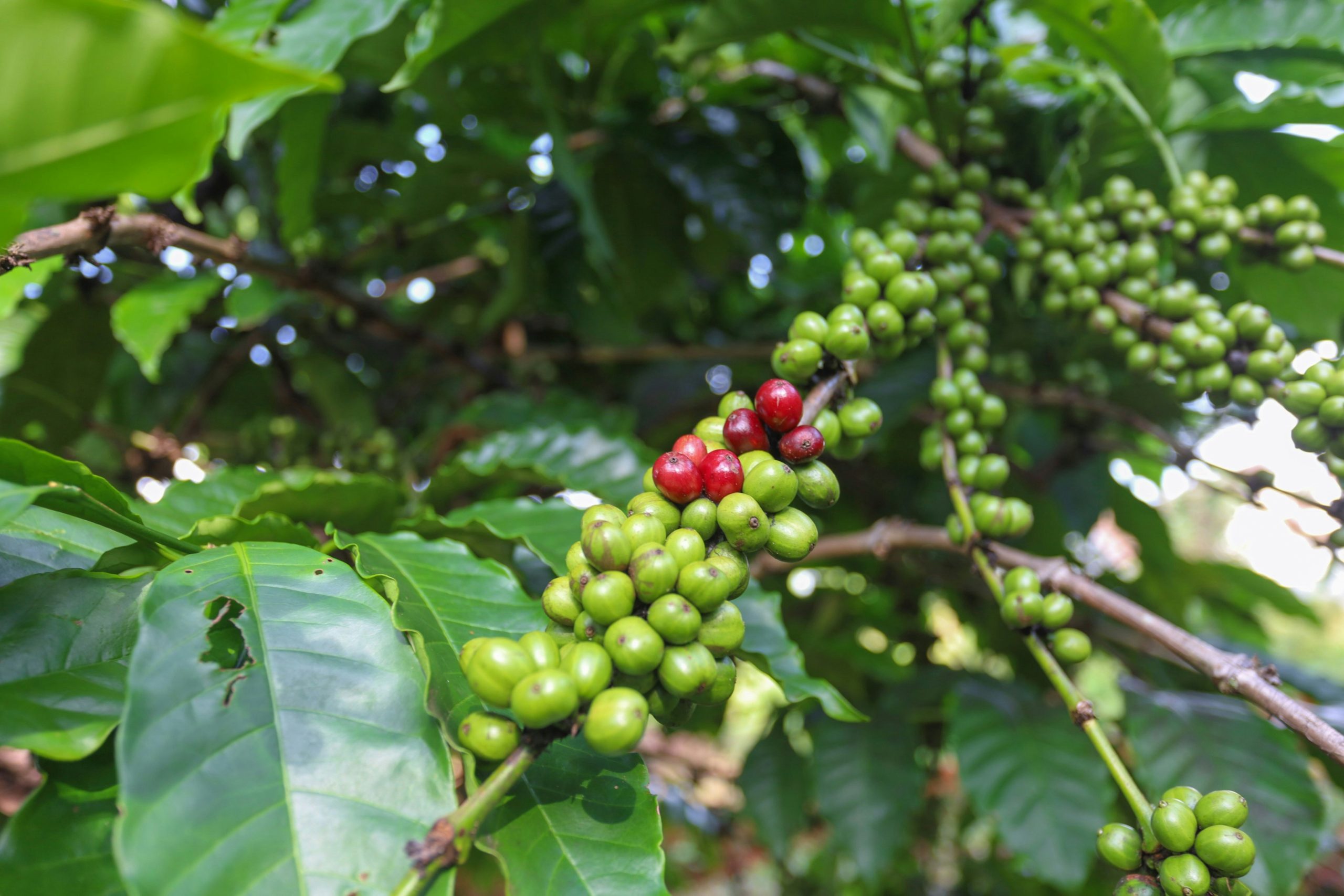
In a recent initiative, a Dutch-Vietnamese partnership has initiated a precision irrigation and fertilization pilot project aimed at enhancing the country’s coffee supply chain. Implemented in Son La, a significant Arabica cultivation region, the collaboration includes Priva Horticulture B.V., Golden Gate BCE GLOBAL Group, and the Natural Sciences Company (HUSCO) from Vietnam National University Hanoi. The pilot, covering one hectare, seeks to improve water and fertilizer utilization while enhancing bean quality. It also focuses on measuring crucial environmental metrics like carbon emissions and water footprints, in line with European regulatory standards for agricultural sustainability.
Dr. Tran Ngoc Anh, director of HUSCO, emphasized that the project aims to prepare partners for evolving European requirements regarding transparency, emissions reductions, and efficient resource management. Priva will contribute advanced technologies for irrigation and fertigation, alongside sensors and monitoring equipment, while Golden Gate BCE GLOBAL will manage project coordination. HUSCO will oversee the implementation and evaluation of the project’s scalability.
If successful, this pilot could serve as a model for integrating advanced precision agriculture technologies within Vietnam’s coffee sector, promoting resource efficiency, climate resilience, and sustainability.
Additionally, Vietnam has entered into a broader South-South cooperation agreement with Uganda and IDH, targeted at improving climate resilience and traceability in coffee production. This partnership aspires to foster low-emission practices and enhance traceability systems, ensuring growers can meet fluctuating buyer expectations regarding sustainable sourcing.
Daan Wesing, CEO of IDH, noted the cooperation as a significant example of South-South collaboration, emphasizing the exchange of knowledge between these major coffee-producing nations to promote climate-smart agricultural practices. Improved traceability is central to this endeavor as coffee exporters contend with growing demands to validate their product origins and production methodologies. Officials from both countries have expressed optimism that this partnership could pave the way for further agricultural collaborations in the future.
Read More @ AgNav
Source: Coffee Talk