

Can Coffee Help Support Biodiversity? – CoffeeTalk

Every morning, millions globally enjoy coffee, but this habit poses significant environmental challenges, including deforestation, biodiversity loss, and socioeconomic pressures on rural communities in coffee-producing developing countries. The interplay between biodiversity and the economy is underscored by the global exports of biodiversity-based products, which reached $3.78 trillion in 2024, with the food and beverage sector being a major contributor.
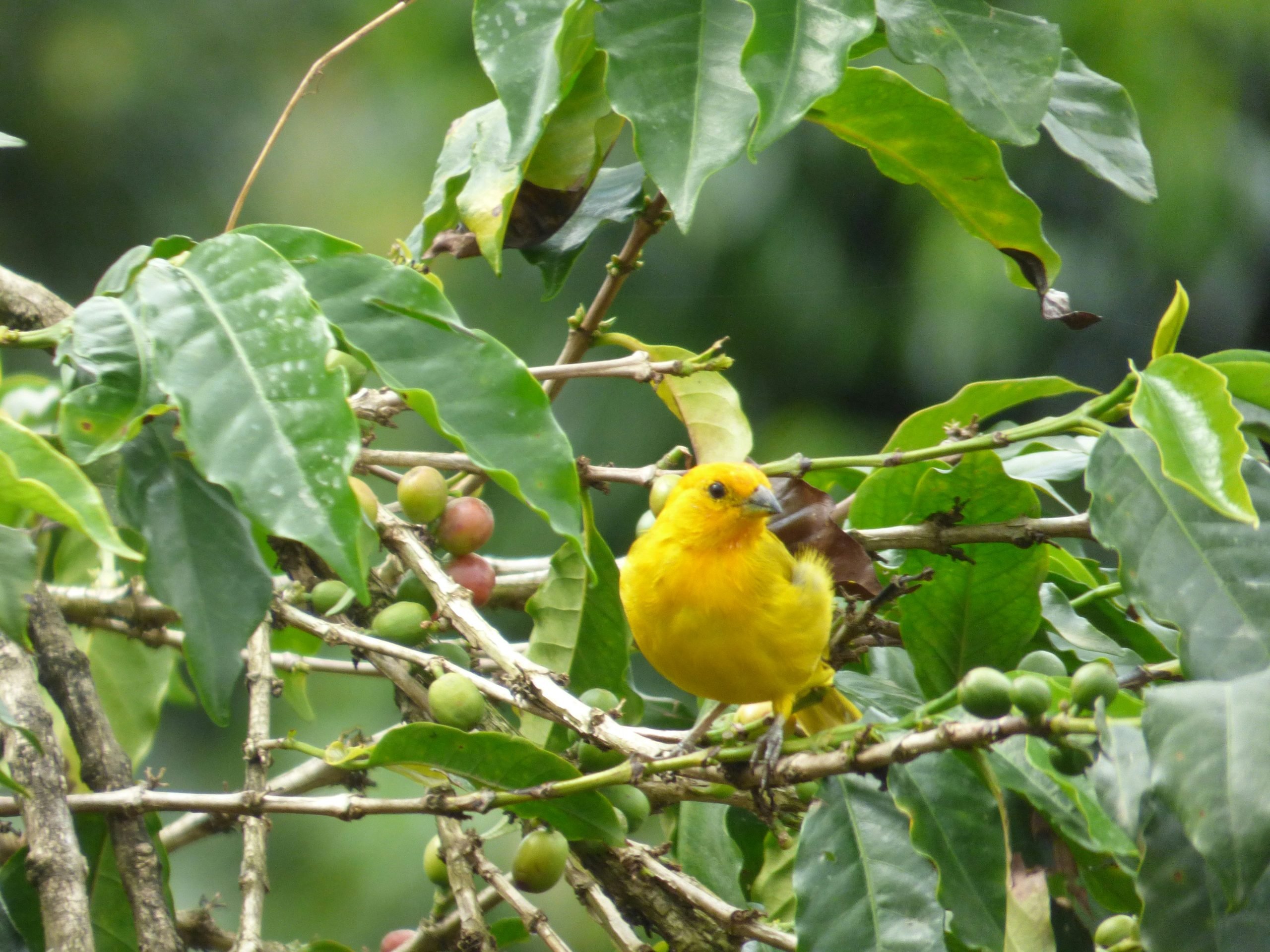
Conventional coffee farming methods that utilize monoculture practices negatively impact ecosystems, reducing tree cover and soil quality. In contrast, sustainable arabica coffee farming through agroforestry offers a holistic solution. This method incorporates native trees with coffee plants, which enhances pollination, soil health, and resilience against pests and extreme weather. Such practices not only promote biodiversity conservation but also improve agricultural yields and minimize risks for farmers.
Biodiversity-friendly coffee production also plays a crucial role in generating new economic opportunities for rural communities, particularly women. The UN Conference on Trade and Development (UNCTAD) is collaborating with various stakeholders in Lao PDR, Thailand, and Vietnam to support sustainable arabica coffee exports and enhance traceability systems. Notably, Thailand’s biodiversity-based coffee exports amounted to $154 million in 2024, marking a 22.3% increase from the previous year, indicating a growing demand for sustainable coffee.
Emphasizing the role of women, local female farmers are central to sustainable arabica coffee production and processing. An initiative in Xiangkhouang province, where a female-staffed coffee processing facility is forming a cooperative, exemplifies the potential of sustainable coffee to bolster local development and empower women while preserving biodiversity.
UNCTAD asserts that the lessons learned can extend beyond coffee. Trade practices can either exacerbate biodiversity loss or promote sustainable livelihoods from natural resources. For developing countries facing climate change, strict market regulations, and the need for export diversification, biodiversity-based value chains, like sustainable coffee, provide a pathway toward more resilient economies and inclusive growth. The challenge lies in ensuring that sustainable trade fosters better livelihoods while enhancing biodiversity protection rather than serving as an obstacle for small producers.
Read More @ UNCTAD
Source: Coffee Talk