

The Woman Transforming Her Family's Legacy Into Mexico's First Carbon-Neutral Coffee Farm – CoffeeTalk

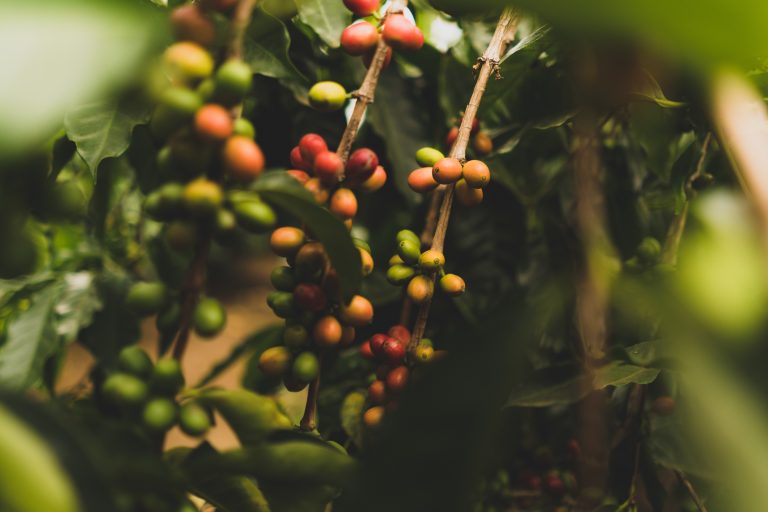
Thirty years ago, Julia Ortega, initially resistant to joining her family’s coffee-producing legacy, now embodies sustainable farming as the operator of Mexico’s first carbon-neutral coffee farm, Finca Los Pinos. Spanning 17 acres in the Sierra Norte de Puebla, she transformed her family’s reluctant inheritance into a flourishing specialty coffee operation emphasizing sustainability. Despite her family’s four generations in coffee farming, Ortega was determined to carve a different path, pursuing a career in business administration and cultural tourism, far removed from rural life.
Her aversion to the land persisted until an awakening during a reflective walk in nature ignited her connection to her roots. This pivotal moment inspired her to cultivate organic coffee, despite skepticism from others about its profitability. Overcoming initial doubts, Finca Los Pinos achieved carbon neutrality within six years, establishing itself as a model for sustainable coffee production in Mexico.
During the mid-2000s, Ortega confronted severe challenges, including the emotional strain of managing the farm alone and a devastating outbreak of coffee rust. This prompted her agronomist husband to suggest a radical replanting with rust-resistant varieties, a gamble that, despite her fears of financial ruin, proved transformative. Their collaboration—a fusion of her business acumen and his agricultural knowledge—revived the farm’s prospects.
Today, Finca Los Pinos, processing about 50 bags of specialty organic coffee each harvest, emphasizes zero waste by repurposing coffee pulp and grounds into compost, flour, and other products. The farm has diversified further into agro-tourism, showcasing its sustainable practices with government support.
Ortega approaches farming as both an art and a science, employing unique methods such as the “dentometer” to assess coffee bean readiness. Innovation often arises from crises, exemplified by her successful experiment of drying whole coffee cherries during a machinery failure, leading to exceptional flavors that surprised connoisseurs.
The farm currently exports 60-70% of its coffee to diverse nations, including Denmark, Japan, and the United States, while also supplying high-quality beans to local roasters and Michelin-starred establishments. Certification as organic in multiple regions is crucial for maintaining consumer trust amid rising concerns about food fraud.
Despite employing a core team of 10, labor shortages challenge Ortega, who notes that many agricultural workers seek higher-paying jobs abroad. She emphasizes the importance of agriculture for food security, asserting the simplicity of the connection between farming and sustenance.
Ortega’s daily routine begins before dawn, balancing administrative duties and farmwork, especially during the demanding harvest period. Her commitment to the land runs deep; she resists urban migration, valuing her connection to the countryside.
Ultimately, Ortega defines success by her impact on community and environment rather than financial gain. The influence of her sustainable practices extends to neighboring farms, and her efforts inspire visitors deeply. A poignant moment with a former teacher reminded Ortega of her childhood dreams to help the planet. This affirmation reinforces her commitment to cultivating one farm, one community, and one coffee bean at a time.
Read More @ MND
Source: Coffee Talk