

Can Smallholder Coffee Farmers Survive As Climate Change And Global Price Fluctuations Constantly Disrupt Their Livelihoods? – CoffeeTalk

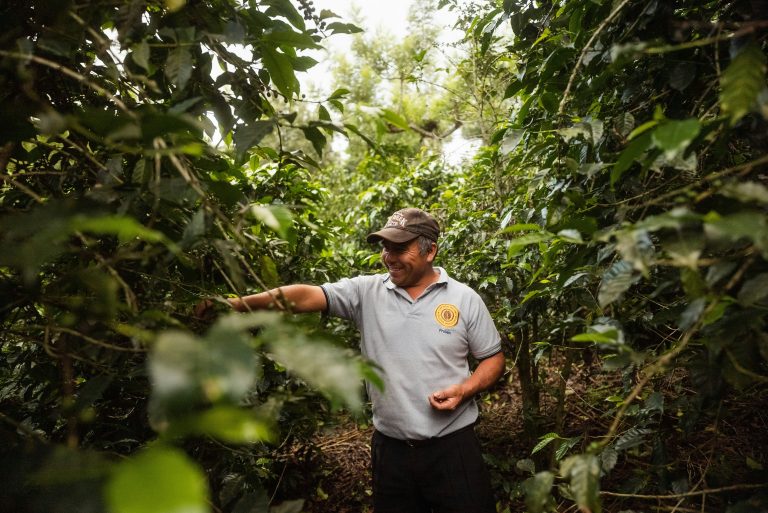
On a steep hillside in western El Salvador, Oscar Leiva observes an unusual December rainfall, a time traditionally signaling the start of the dry season. This season’s coffee crop has suffered due to early flowering followed by stalled growth and a subsequent heatwave, resulting in lower quality and higher production costs compared to previous years. Coffee has deep cultural roots for Leiva’s family, complicating their decisions regarding cultivation amid erratic weather.
Historically, coffee has been foundational to El Salvador’s rural economy, once making the country one of the leading global producers with harvests exceeding 5 million quintales in the 1970s. Currently, production struggles to reach 1 million quintales, reflecting challenges beyond mere market fluctuations. Climate volatility—characterized by unpredictable rains and rising temperatures—has heavily impacted floral cycles and yields, particularly disadvantaging small farmers lacking the financial resources to manage losses.
As the market trends unfavorably, Arabica bean prices, following a brief surge in 2025, are anticipated to drop due to increased outputs from Colombia and Brazil. Rabobank projects that global surpluses may lead to lower prices despite rising costs for vulnerable farmers. Cecibel Romero, a researcher, highlights the compounding crises of climate and social instability, asserting that efforts to adapt to climate change are hampered by subsistence-level pricing.
Traditionally, the coffee industry’s focus on quick yields has undermined soil health and sustainable practices. Past choices, including the adoption of rust-resistant coffee varieties, have also proven problematic, leading to declines in quality. As coffee’s significance diminishes, institutional support weakens, leaving producers to cope with climate risks and market volatility independently.
In Honduras, the largest coffee producer in Central America, similar challenges persist despite overall higher outputs. Juan Luis Hernández emphasizes the financial burdens associated with necessary adaptations to climate pressures. Producers like Gerardo Vásquez face unsustainable costs, with increasing prices for inputs like fertilizers and labor driving the expenses of producing coffee to unprecedented levels.
Harvesting has become labor-intensive and less attractive, with many young people leaving rural areas for better opportunities. Labor shortages are limiting adaptive efforts—certain tasks, integral to coffee production, necessitate human involvement and cannot be easily mechanized.
Moreover, climate change is shifting the viability of coffee cultivation to higher altitudes. Farms below 1,000 meters are increasingly susceptible to diseases like rust. Adaptation strategies, while necessary, come with trade-offs; producers must balance lower yields from sustainability-focused practices against the pressures of profitability.
At Café San Rafael, adaptation efforts encompass soil management and harvest timing, along with improved post-harvest practices, enabling resilience against market fluctuations. Though the specialty coffee market promotes better pricing and relationships, barriers such as certification costs and logistical challenges hinder many producers from accessing these benefits.
Emeric Seguin points out the prevalent distrust within the industry, where farmers, buyers, and cooperatives struggle against perceptions of unfairness. The definition of quality in coffee production tends to favor narrow commercial standards, often overlooking local practices and conditions.
Efforts such as Renacer, a coffee production school, aim to rectify inefficiencies by promoting ecological practices that prioritize long-term sustainability over maximum immediate yield. However, as forecasts predict surpluses and falling prices threaten smallholder viability, the sustainable future of coffee remains uncertain.
Leiva must navigate this precarious landscape with incomplete information, stressing the pressing question of which producers can adapt and thrive in an evolving climate, and which will risk being left behind.
Read More @ The Guardian
Source: Coffee Talk