

Uganda Launches Regional Coffee Flavor Profiles To Boost Traceability And Specialty Value – CoffeeTalk

Uganda has launched its inaugural scientifically validated Regional Coffee Flavor Profiles aimed at enhancing the country’s global coffee identity, improving traceability, and securing better prices for farmers in the specialty market. Minister for Agriculture Fred Bwino officiated the unveiling at the Serena Hotel in Kampala, which culminates a seven-year research initiative that catalogued the unique flavor characteristics of the coffees produced across various agroecological zones in Uganda.
Coffee is a vital component of Uganda’s economy, contributing over 22% to foreign exchange earnings and impacting millions of households. Prior to this initiative, the distinct sensory attributes of Uganda’s coffee-growing regions had been inadequately documented and promoted on international platforms. The comprehensive study analyzed 792 coffee samples, both Robusta and Arabica, reflecting the country’s geographic, climatic, and soil diversity.
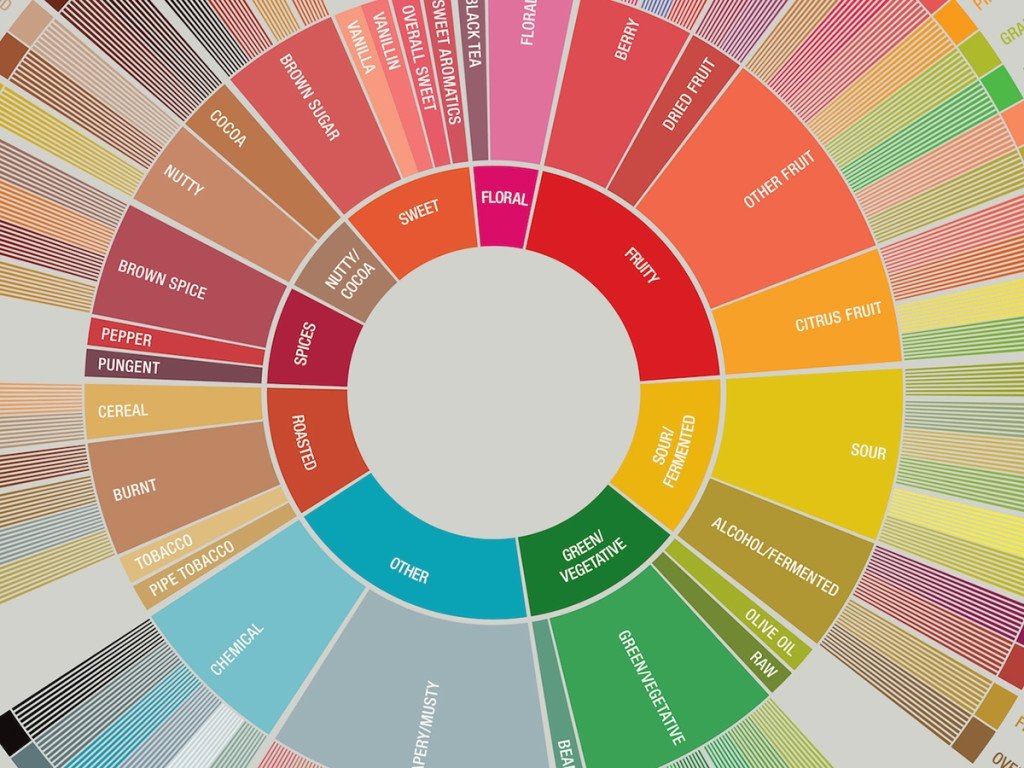
The findings delineated six flavor profiles for Robusta coffee and four for Arabica, creating the most extensive mapping of Uganda’s coffee characteristics to date. The Robusta flavor profiles include:
1. Kyoga Plains – bold and spicy with nutty and chocolaty aromas.
2. Lake Victoria Crescent – featuring tropical fruit and resinous flavors with balanced sweetness.
3. Northwestern Savannah Grasslands – known for dried fruit and citrus qualities.
4. Southwestern Farmlands – delivering a smooth cup with mild chocolate notes.
5. Pastoral Rangelands – distinguished by resin-forward and earthy tones.
6. Western Savannah Grasslands – showcasing clean resin character with mild herbal undertones.
For Arabica coffee, the profiles identified are:
1. Highland Ranges – highlighting citrus brightness paired with cocoa aroma.
2. Northwestern Savannah – showcasing spice and berry notes with low acidity.
3. Western Savannah Grasslands – offering a complex mélange of dried fruit, spice, berry, and citrus flavors.
4. Southwestern Farmlands – resulting in a creamy, full-bodied cup with layered spice and high acidity.
Bwino emphasized that these profiles do more than provide sensory details; they establish regional identities that underscore the traceability and uniqueness of Ugandan coffee. This profiling system allows farmers to capitalize on origin-linked value and assists exporters in fulfilling specialty buyers’ expectations.
The initiative aligns with Uganda’s preparations for the forthcoming European Union Deforestation Regulation (EUDR), effective in late 2026. Dr. Gerald Kyalo, the Commissioner for Coffee Development, confirmed Uganda’s readiness by mapping over one million farmers and their coffee gardens, capturing geo-coordinates and establishing a centralized data repository for traceability. Five firms have been sanctioned as traceability service providers, whose systems are being piloted nationwide.
The unveiling comes at a time when Uganda has seen robust performance in its coffee sector, exporting over 6.13 million 60-kilogram bags in the 2023–24 coffee year, resulting in revenue of US$1.14 billion, with cumulative export revenues reaching US$2.2 billion as of the 2024–25 period.
Read More @ FB ME&A
Source: Coffee Talk