

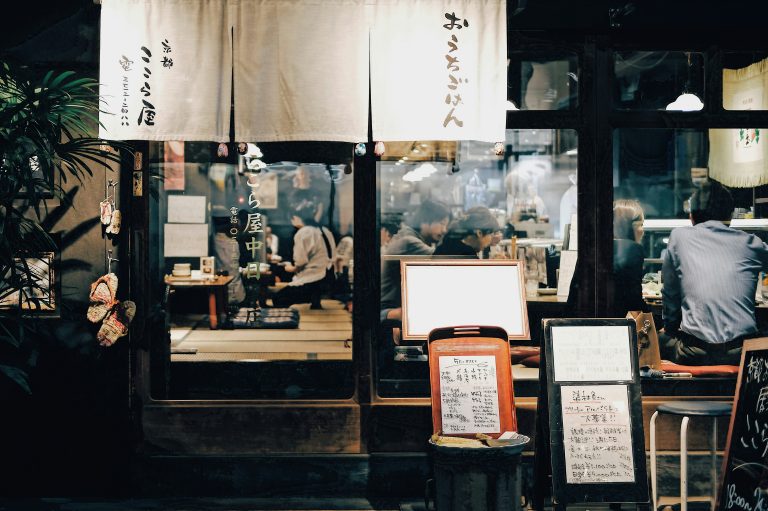
The Gen Z Coffee Shop Owners Keeping Japan's Traditional Cafe Culture Alive – CoffeeTalk

Japan’s traditional coffee shops, known as kissaten, which gained popularity in the 1980s, are witnessing a resurgence due to a younger generation’s nostalgic appreciation for these retro establishments from the Showa Era (1926-1989). Specialty drip shops and global chains have overshadowed kissaten, many of which are now run by aging owners. However, a revitalization has emerged, fueled by social media, where aesthetically pleasing photos of classical dishes like parfaits and melon cream sodas are widely shared, evidenced by hashtags such as #junkissa boasting around one million posts.
Young owners in their 20s and 30s have begun transforming these cafes into nostalgic experiences that attract both local and overseas customers seeking a slower urban lifestyle. One such establishment, Kissa Memory, opened a pop-up in Tokyo, created by an Instagram influencer named Rin, who curates the ambiance and menus reminiscent of her favorite kissaten across Japan. Her model leveraged a space-sharing format, drawing in younger patrons and residents who resonate with the retro trend that bridges the Showa and Heisei eras.
Mika Oitsuki, the owner of 27 Kissa in Tokyo’s Kabukicho district, describes herself more as a producer, connecting people and brands within her kissaten, which transitions to a bar in the evening—reflecting a modern Tokyo lifestyle. Koyuki Kurata of Kissa Koyuki aims to maintain a traditional essence while integrating personal elements from her love of Showa culture, serving a menu of cherished dishes including her popular cinnamon toast, which evolved from her own preferences.
Kurata’s intention is to foster a welcoming environment for everyone while acknowledging the industry’s looming challenges; the number of kissaten in Japan has been declining, with only 58,669 remaining in 2021 from a peak of 154,630 in 1981, highlighting a concerning trend of aging owners without successors to continue their legacy. Despite the contemporary allure of kissaten, Kurata emphasizes that these spaces serve as vital places for face-to-face communication and community. The quest to preserve not only the physical spaces but the spirit of the kissaten culture remains a pressing concern for its future.
Read More @ Japan Times
Source: Coffee Talk