

Mobile Coffee Vendors See Rise in Popularity – CoffeeTalk

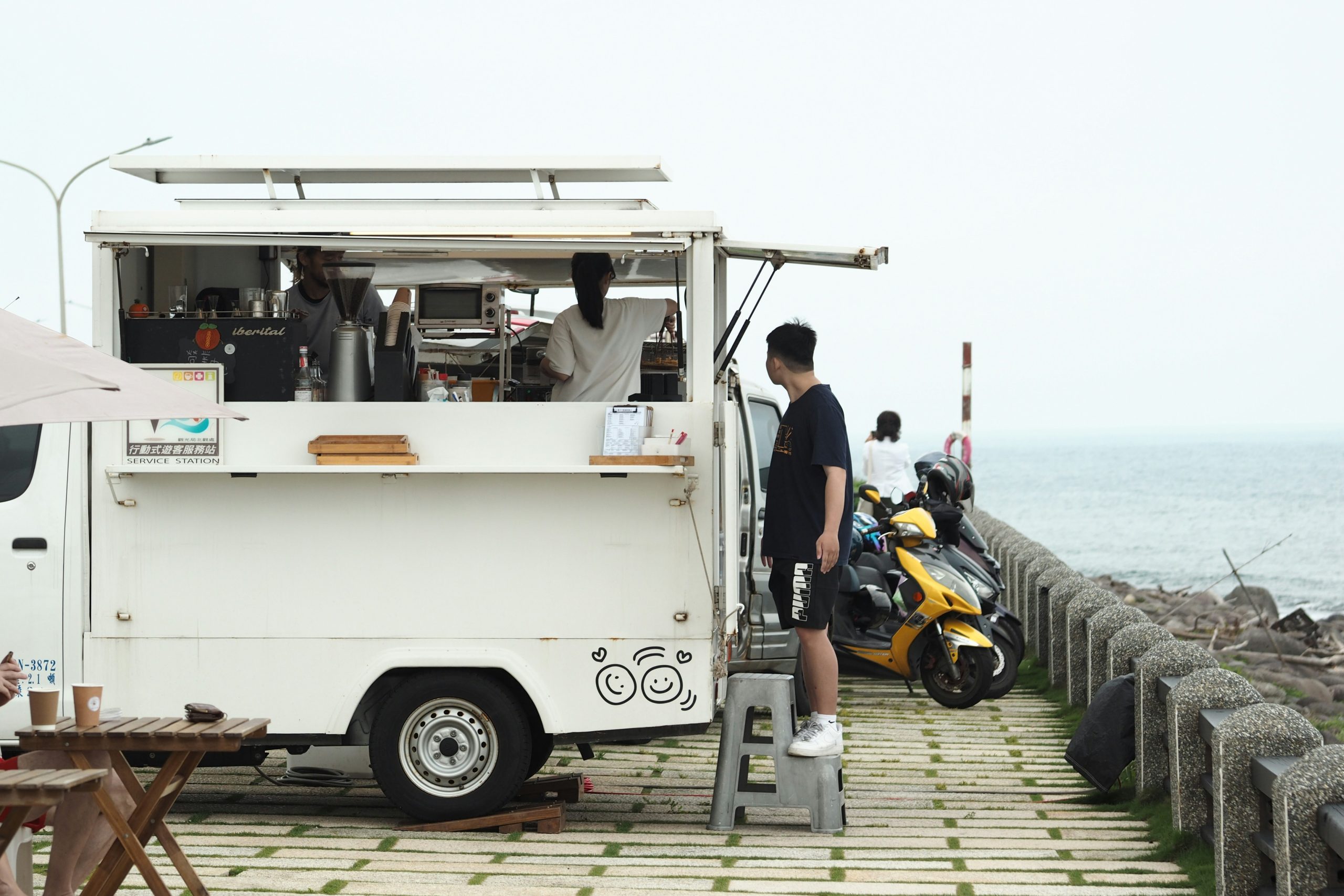
A growing trend in the specialty beverage industry is seeing entrepreneurs opt for mobile operations over traditional brick-and-mortar establishments. This shift is characterized by vendors utilizing carts, trucks, and trailers to serve coffee, tea, and other drinks, often strategically positioning themselves in high-traffic areas or at events.
Mirwais Mahmoud, co-owner of Afghan Chai, operates a mobile chai cart in Washington D.C. with his siblings, Zaki and Deeba. The cart, which launched in November 2025, represents a transition from their previous business of selling Afghan food at farmers markets.
Mahmoud notes the direct customer interaction as a key advantage of the mobile model, stating, “With a brick-and-mortar, I’m waiting for people to come to me, but with the cart you’re right there in front of people.”
This model offers operational flexibility, allowing vendors to meet customers where they are, from corporate events to busy transit hubs. The lower overhead costs associated with mobile units may also appeal to entrepreneurs, especially when considering the narrow profit margins often seen in traditional coffee shops.
Tenaya McCoy, co-founder of Hotplate, an order-management platform for mobile vendors, suggests that the COVID-19 pandemic played a role in highlighting the viability of non-storefront businesses. Hotplate reported a 500% increase in coffee and matcha orders from mobile vendors in the first half of 2026 compared to the previous year. McCoy also observes a consumer desire for authentic, handmade, and artisanal products in an increasingly automated world, which mobile vendors may be uniquely positioned to fulfill.
The element of “discovery” is also cited as a selling point.
The unexpected presence of a specialty drink vendor can create a unique experience for customers, offering a sense of exclusivity and serendipity. Pink Wheel Coffee Co., a mobile coffee truck in Georgetown, frequently changes its location, contributing to this dynamic. Co-owner Denisa Derglova, who operates the truck with her husband Babar Ali, offers unique creations such as dot cake lattes and banana cloud matchas.
McCoy indicates that multi-flavored drinks contribute to a “scarcity model,” where unique offerings are available for a limited time.
This approach, particularly in specialty drinks, allows for experimentation with flavors and ingredients at a potentially lower cost and time investment compared to food items.
On the Jersey Shore, Sea La Vie Coffee, operated by Heather Hagmaier and Samantha Notos, sells cold brews, matchas, and lattes from a vintage trailer on weekends. The limited availability and changing location contribute to a sense of urgency for customers.
The lower barrier to entry for mobile businesses, including reduced overhead and permitting expenses, can make entrepreneurship more accessible. However, challenges such as driving and maneuvering specialized vehicles remain.
While scarcity can be a successful strategy, consistency is also crucial for building a customer base. Buffy Maguire, founder of Lady Falcon Coffee Club in San Francisco, emphasizes the importance of consistent presence for mobile vendors to achieve necessary sales volumes. Maguire, who operates a renovated 1948 GMC bread truck as an extension of her online coffee company, views mobile vendors as a “vehicle for a larger narrative,” curating a story around their brand. This storytelling aspect is seen as a key element for new generations of specialty coffee entrepreneurs.
Read More @ The Morning Sun
Source: Coffee Talk