

'Hybrid Coffee' Startup Gains Traction And Funding – CoffeeTalk

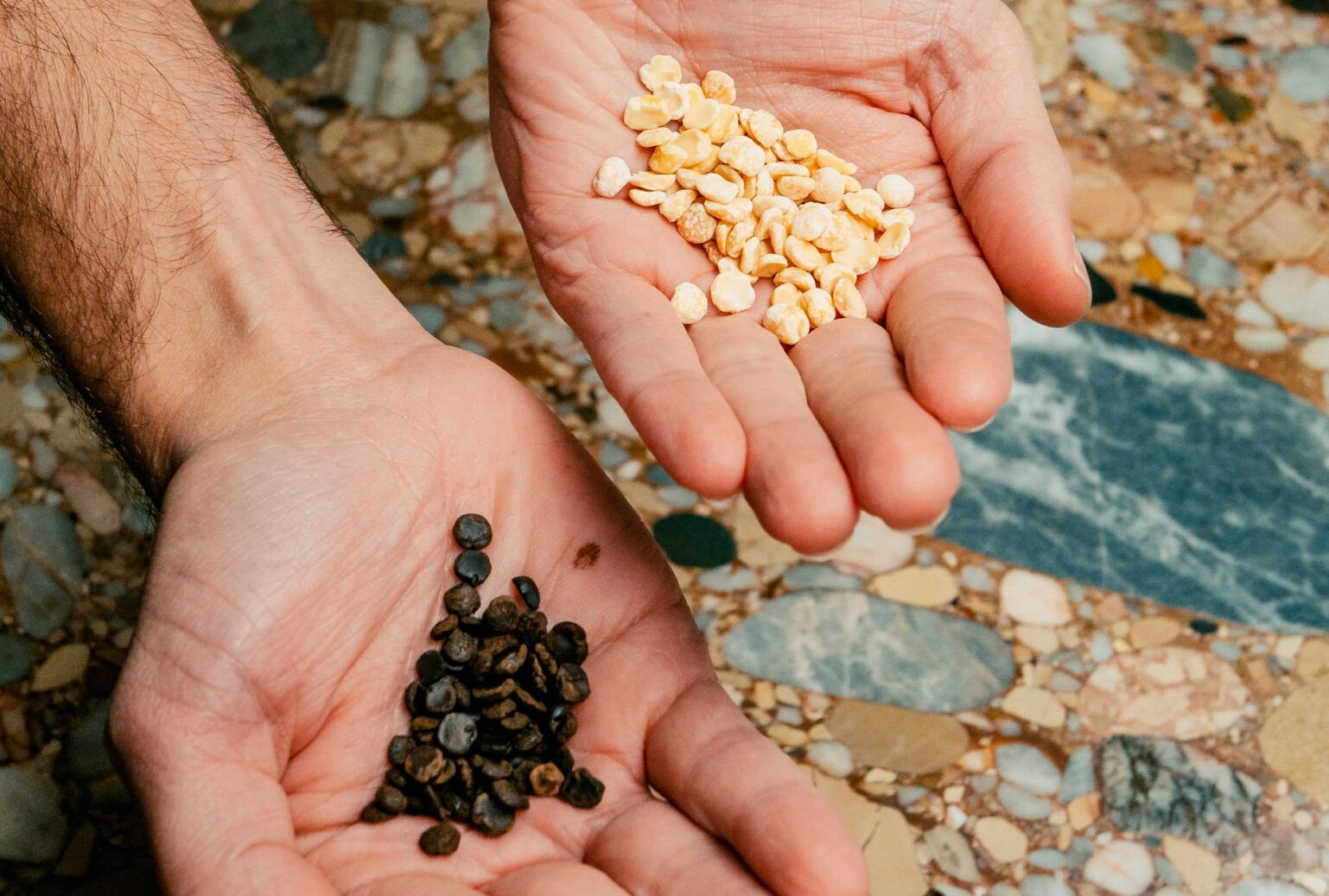
Belgian food tech startup Koppie has gained traction in the coffee alternative market by securing additional funding and completing an industrial-scale production run of its innovative beanless coffee products, set for launch later this year. With a focus on hybrid coffee—a blend of conventional coffee and a coffee-like alternative derived from legumes—Koppie’s strategy addresses pressing concerns around price volatility, climate risks, and sustainability while maintaining flavor integrity.
After eight months of operations, Koppie has successfully attracted more than €2M ($2.4M) in funding, including investments from DOEN Ventures and support from the EU-backed Food Pioneer Accelerators program. This financial backing will accelerate product development and commercialization, with a particular focus on yellow peas as the main ingredient, although the technology is adaptable to other local legumes such as chickpeas and fava beans.
Koppie’s emergence is significant in light of the coffee industry’s struggles with climate change and supply chain disruptions, which have led to soaring coffee prices and a worrying trend of endangered coffee species. Moreover, coffee production is unsustainable; it produces more greenhouse gas emissions per kilogram than meat and requires excessive water, showcasing the need for alternative solutions. Koppie’s approach transforms locally sourced legumes into “beans” that can be processed similarly to traditional coffee, ensuring a sustainable alternative that is both economically viable and appealing.
The startup’s method of combining legumes with traditional coffee allows for a product that is not only competitively priced but also potentially improves flavor—consumer tests indicate strong preferences for Koppie’s blends. Their product lineup will include various flavors and formulations suitable for diverse coffee applications.
Koppie’s recent four-tonne industrial trial run has demonstrated the scalability of its production, with plans to expand capacity to 1,000 tonnes to meet market demand. The focus remains primarily on the European market, while there are prospects for engagement with retailers and coffee companies in the US and Asia. Future strategies may include catering to smaller coffee establishments, contributing to the acceptance of this new coffee alternative.
Read More @ green queen
Source: Coffee Talk