

Vietnamese Coffee Farmers Encouraged to Adopt Regenerative Agriculture Practices – CoffeeTalk

At the seminar titled “Regenerative Agriculture – a Sustainable Path for Vietnamese Farming” held on July 3, Wouter Melis Van Ravenhorst, the Managing Director of Control Union Vietnam, highlighted Vietnam’s strengths in agriculture but noted the increasing “green barriers” faced in major export markets. He emphasized that regenerative agriculture is crucial for global agricultural supply chains, as it aims to restore ecosystems, reduce emissions, and enhance the value of agricultural products.
Nguyen Van Thiet, the Country Manager of the Rainforest Alliance Office in Vietnam, stated that the coffee industry in Vietnam must transform to meet rising market demands. He stressed that regenerative farming not only produces green products but also protects biodiversity, promoting a harmonious relationship between humanity and nature. Thiet also advocated for viewing soil as a partner rather than just a production resource, recommending farmers invest in maintaining soil health to ensure sustainable harvests for the future.
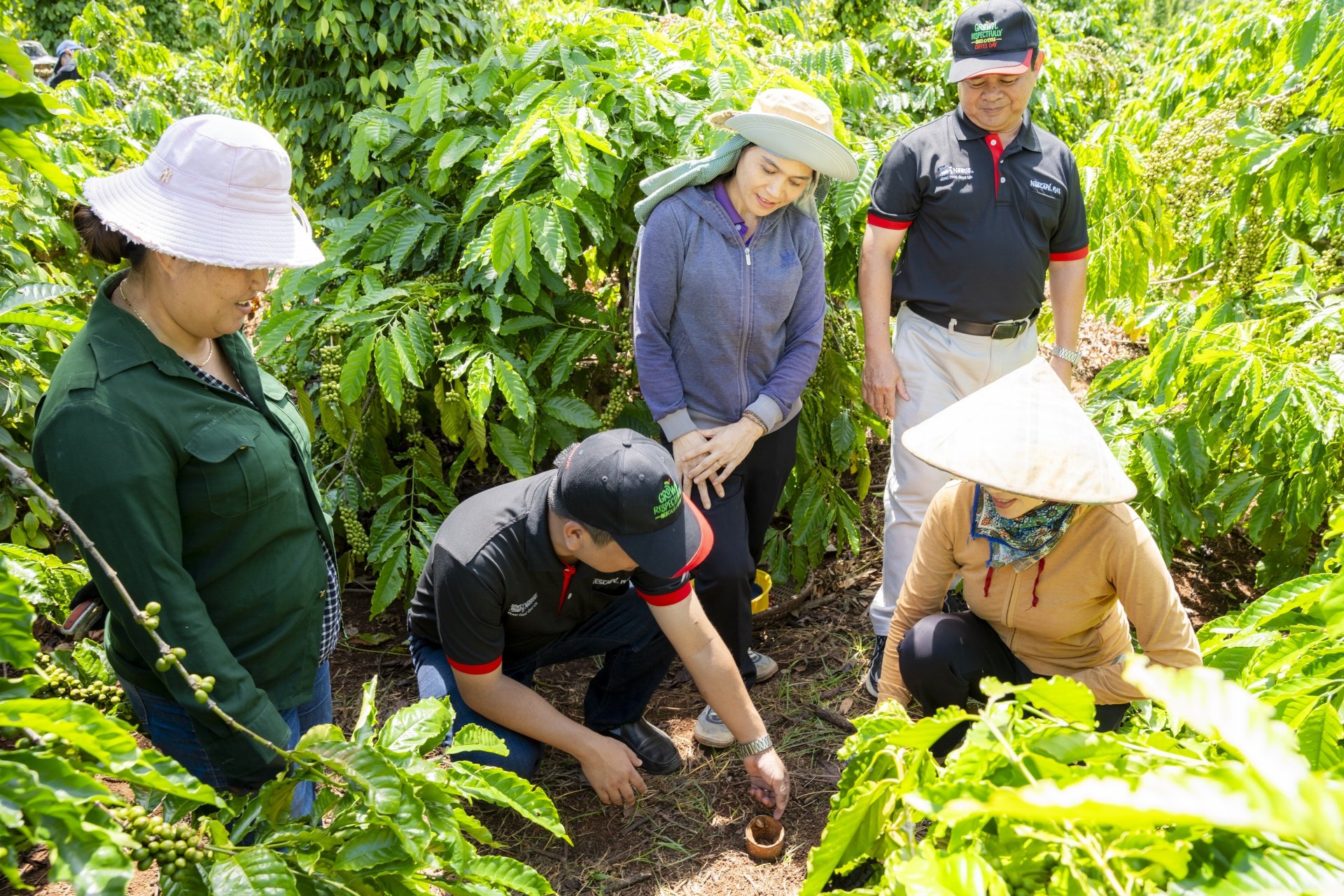
Pham Phu Ngoc, Chief Representative of Nestlé Vietnam’s Central Highlands office, introduced the NESCAFÉ Plan initiative, which supports farmers in transitioning to sustainable coffee cultivation. Since its inception in 2011, the NESCAFÉ Plan has helped shift practices toward regenerative agriculture, yielding positive outcomes for the environment, biodiversity, and household incomes. He argued that the challenge lies not in technology, but in simplifying new concepts for farmers.
The principles of regenerative agriculture focus on three core areas: soil, water, and biodiversity. For soil, the initiative promotes maintaining ground cover, converting agricultural by-products into organic fertilizers, and balanced nutrient management, resulting in a reduction of chemical fertilizer use by 20-40% and improved soil health. Water conservation techniques enable a reduction in irrigation water usage by 40-60%, which also cuts electricity and fuel costs for pumping.
Biodiversity efforts encourage intercropping coffee with pepper and other fruit trees, enhancing biodiversity and income diversification. Ngoc noted that regenerative agriculture has considerable economic benefits, leading to farmers’ incomes increasing by 30-150% compared to traditional monoculture practices, primarily due to lower input costs and diversified revenue streams.
Over the past 15 years, the NESCAFÉ Plan has supported over 23,000 farming households, drastically improving productivity, incomes, and cultivation techniques. Highlighting a case study, farmer Mai Thi Nhung from Dak Lak has successfully cultivated her 2 ha garden intercropping coffee with pepper and durian, achieving over $46,000 in income per harvest through regenerative practices and digital management tools.
Hoang Thi Thu Huong, a Senior Project Officer at GIZ, stated that regenerative agriculture is unique for its capacity to restore natural resources. The Ministry of Agriculture and Environment’s Low-Emissions Crop Production Plan identifies coffee, along with rice, sugarcane, cassava, and bananas, as having significant potential to reduce greenhouse gas emissions. Huong concluded that the shift towards regenerative agriculture would not only help the coffee industry comply with new regulations like the European Union Deforestation Regulation but also enable participation in future carbon credit markets, thereby enhancing income opportunities and strengthening Vietnam’s position in the global agriculture landscape.
Read More @ VIR
Source: Coffee Talk