

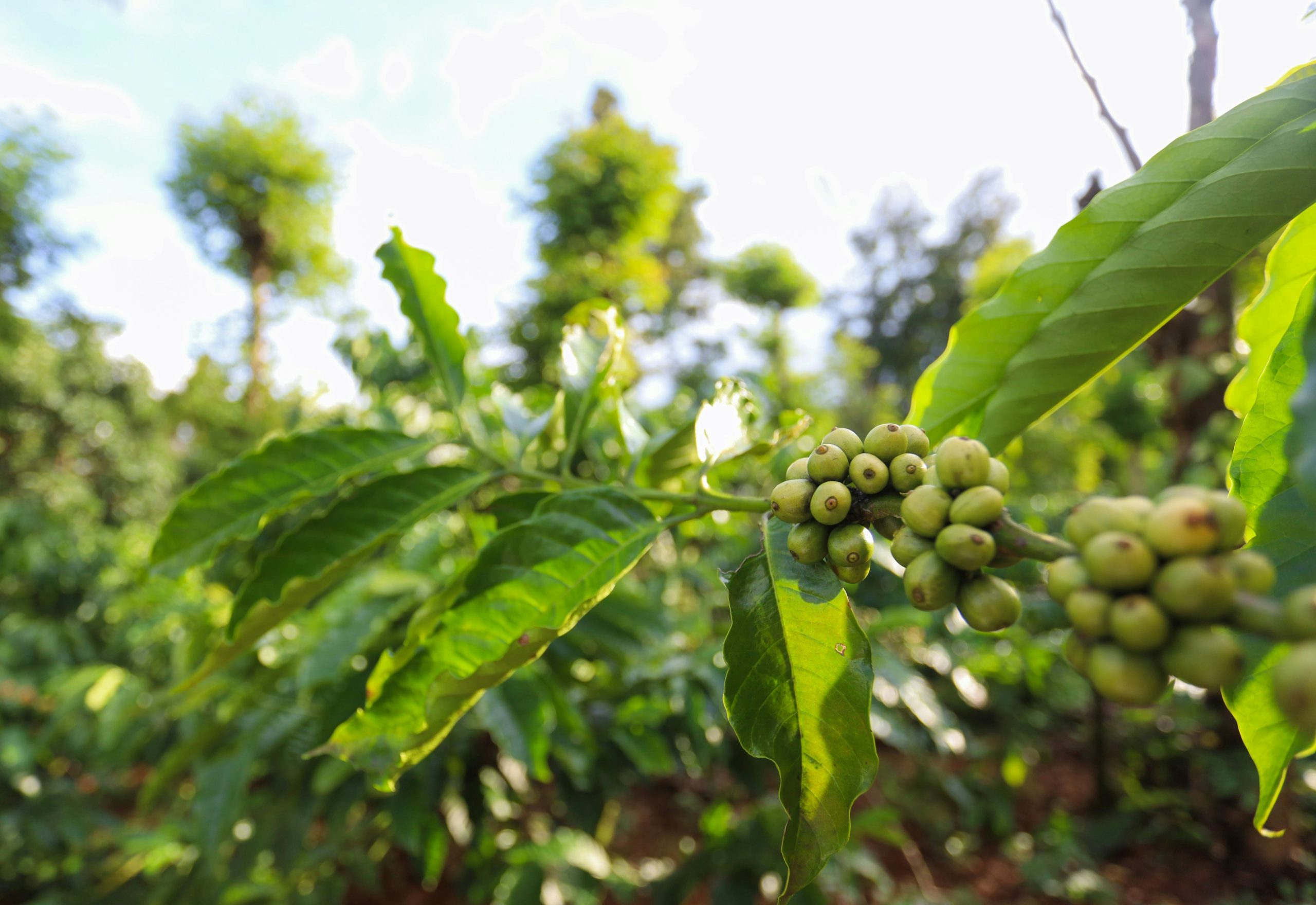
UCC Launches Regenerative Agriculture Pilot in Vietnam to Enhance Sustainable Coffee Sourcing – CoffeeTalk

UCC has initiated a regenerative agriculture project in Vietnam aimed at enhancing sustainable coffee sourcing, while also tackling significant issues related to climate change, soil degradation, and greenhouse gas emissions. This pilot project is part of UCC’s strategic efforts to meet its 2030 coffee sourcing and 2040 carbon neutrality goals. The initiative is particularly crucial as Vietnam’s coffee sector faces challenges like rising temperatures, changing rainfall patterns, and deteriorating soil health, all of which jeopardize coffee yields, quality, and long-term agricultural viability.
Masahito Hibi, section manager at UCC Japan’s Sustainability Promotion Office, emphasized Vietnam’s importance as a key partner in global coffee production, particularly within Japanese coffee culture. The project involves testing a carbon inset model on a pilot farm, utilizing biochar and reduced conventional fertilizer inputs to explore their effectiveness in lowering greenhouse gas (GHG) emissions and enhancing carbon sequestration at the farm level. These practices not only aim to improve coffee productivity but also bolster the resilience of farms against climate-related stresses.
UCC’s commitment to sustainable sourcing includes partnerships with Brazilian coffee cooperative Cooxupé and Mitsui & Co. Coffee Trading Brazil, expanding its network of partners that comply with sustainability standards to a total of 12. Insights gained from the pilot will be disseminated to local producers to foster resilience and promote broader adoption of regenerative farming techniques across Vietnam’s coffee-growing regions.
The collaboration involves Atlantic Commodities Vietnam (ACOM), a subsidiary of ECOM Group, leveraging its local producer network and agricultural technology expertise. Thuan Sarzynski, sustainable management services manager at ECOM Vietnam, highlights the project as a unique opportunity to strengthen the relationship between ECOM and UCC for sustainable coffee sourcing practices in Vietnam. Hibi reiterated the importance of forming a mutually beneficial relationship between producers and consumers through such initiatives.
Additionally, the project aligns with UCC’s overarching goal of attaining carbon neutrality by 2040. In June, UCC became a member of the Japan Climate Leaders’ Partnership (JCLP), a coalition dedicated to fostering a decarbonized society through collaborative efforts and knowledge exchange. Hibi noted that UCC is committed to enhancing the quality of coffee production while evolving its relationships towards the creation of environmental value. The project aims to document carbon emission reduction strategies that could be scalable in the future, with a concerted effort to reduce carbon emissions throughout the coffee supply chain, thereby supporting UCC’s net-zero ambitions.
Read More @ AgNav
Source: Coffee Talk