

Rwanda and Kenya's Efforts to Boost Coffee Quality and Farmer Earnings – CoffeeTalk

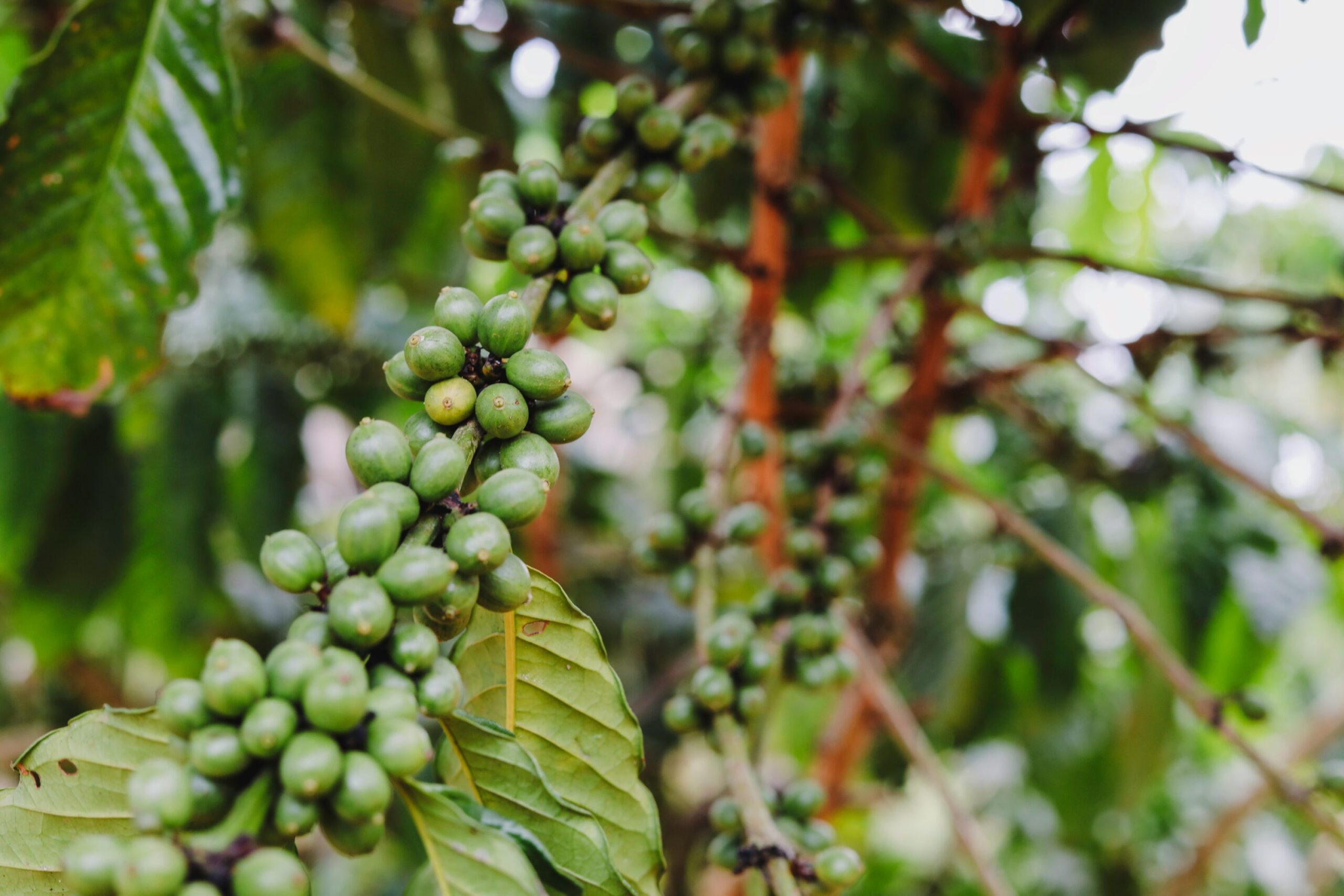
In the Huye region of Rwanda, trained farmers carefully harvest ripe coffee cherries, transitioning from the shade of the trees into the sunlight, where they methodically collect the fruits. Once harvested, the cherries are taken to workstations in open areas, where men and women select only the highest quality cherries, a process conducted in silence, contrasting with the noise at the washing station where further quality control occurs. Agronomist Aphrodis Twagirayezu explains that cherries undergo a flotation test to separate high-density, high-quality cherries from inferior ones, which are lighter and float. This critical washing step ensures that only the best cherries are processed into specialty coffee, significantly increasing their market value.
Rwanda’s initiative to enhance coffee production has been supported by the FAO, which, alongside Kenya, facilitates upgrades in coffee washing stations and training for farmers. In Kenya, a cooperative in Baringo County has seen revitalization through new leadership and governance reforms, with support from FAO’s Forest and Farm Facility, which provided a USD 30,000 grant. Membership of the cooperative grew from 756 to nearly 1,200, with significant inclusion of women and youth, demonstrating a collaborative approach where members participate in all stages from planning to management.
Both Rwanda and Kenya rely on small-scale coffee production and cooperatives for economic stability, with coffee playing a vital role in rural livelihoods across the continent. Africa represents 17 percent of global coffee production and 12 percent of exports, generating foreign exchange and supporting trade relations. Celebrating the International Coffee Day, the focus is on the contributions of coffee farming to employment, perseverance in improving production, and the ultimate goal of providing premium coffee to international markets. Through public-private partnerships and innovative practices, the coffee value chains in these regions aim to sustain economic growth and development.
Read More @ Yubanet
Source: Coffee Talk