

Climate Change Enables These Growers To Cultivate Coffee In Spain – CoffeeTalk

Climate change is transforming the coffee industry, with Spain’s Juan Giraldez and Eva Prat producing the world’s first coffee plantation in a continental climate. The plantation, located in Sant Vicenç de Torello, north of Barcelona, lies well north of the subtropical zones where coffee was thought viable. Giraldez says that climate change is shifting the “coffee belt” to the north, tightening the latitudinal band in which coffee can thrive and bringing new opportunities to temperate regions.
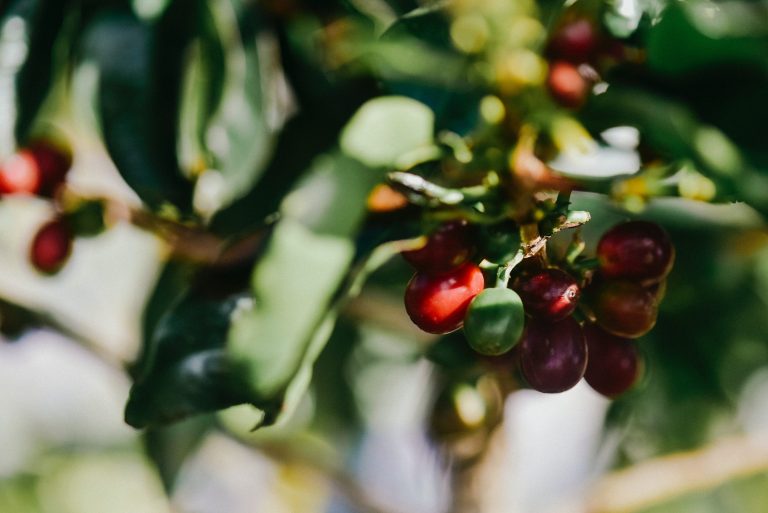
The couple’s plantation, Castellvilar, lies in Sant Vicenç de Torello, where winter temperatures can sink to minus 3C and summer highs soar to 42C. This year, nearly four years after planting, their 5,000 young arabica trees yielded about 1.5kg of beans. The harvest is small but symbolic, with output increasing tenfold. They plan a limited coffee release this year, once new trees mature. The estate could eventually host 30,000 trees, enough to produce 28,000kg a year. At present, it could potentially already generate 7,000kg a year.
The ambition is not industrial but artisanal. The couple grow two coveted arabica varieties, Geisha, considered among the world’s finest, and Castillo superior, selected after years of research. The beans develop slowly in Osona’s sharp contrasts of heat and frost, conditions that Giraldez believes intensify flavor. Their only chance is quality, not quantity. They want to prove a coffee grown here can be as exceptional as the best in the world.
The project has taken eight years, two of study and six of cultivation, and €700,000 in investment — all without public subsidies. The germination itself was a feat: in tropical regions, seeds sprout in three months; at Castellvilar it took up to a year. Only the hardiest seedlings survived, creating what Giraldez calls a “forced evolution” of plants adapted to continental extremes.
The broader industry is under strain, with roasters including 3 Coracoes and Melitta pushing arabica prices up more than 20%, on top of a 70% rise last year. With raw beans making up 40% of wholesale costs, consumers worldwide are feeling the squeeze. Against this backdrop, even tiny European harvests are drawing attention.
The farm is also an ecosystem, with blueberries and the endangered Catalan white goat grazing between the rows, helping with forest management. Prat sees the project as a way of life rather than just a crop. She hopes that Europe may one day add its own beans to the global table. For now, the precious kilo and a half of this year’s harvest is proof of possibility.
Read More @ The Times
Source: Coffee Talk