

As Climate Change Threatens Arabica, Brazilian Coffee Farmers Push For Better Quality Robusta – CoffeeTalk

Amid the ambiance of a high-end coffee shop in Sao Paulo, a noticeable shift in espresso composition is emerging: a premium espresso crafted entirely from robusta beans. Traditionally viewed as an inferior choice, robusta is now gaining recognition for its unique flavor profile, characterized by a creamy texture and chocolatey notes, contrasting the acidity associated with conventional arabica coffees. Marco Kerkmeester, co-founder of Santo Grao, highlights this trend with the introduction of a “0% Arabica” label, reflecting the evolving preferences of coffee consumers.
The shift towards robusta is driven by challenging climate conditions affecting arabica cultivation in Brazil, where over three-quarters of optimal arabica land could become unsuitable due to rising temperatures and drought by 2050. In response to this looming threat, Brazilian robusta farmers are refining their harvesting and drying methods to meet the demands of a more discerning market.
With Brazil positioned as the second-largest robusta producer globally, there is a parallel effort to elevate the quality of Brazilian robusta, particularly in the robusta-heavy state of Espirito Santo. The local government aims to produce 1.5 million bags of specialty-grade robusta annually by 2032, a substantial increase from the current output of 10,000 bags. To achieve this, farmers must adopt post-harvest practices previously reserved for arabica.
The Specialty Coffee Association (SCA) is responding to this trend by offering new training for coffee graders to include robusta assessments, encouraging a redefinition of specialty classifications. This initiative reflects a recognition that robusta can possess qualities worthy of the specialty label, as demonstrated by emerging brands and coffee shops globally embracing its distinct attributes.
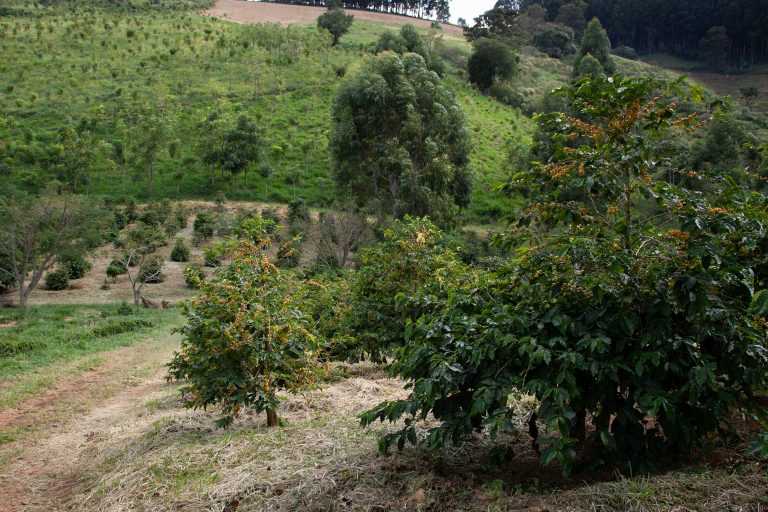
Traditionally viewed as lower quality, the perception of robusta is shifting as Brazilian farmers invest in quality improvements. Innovations, such as using modern drying techniques, are being implemented to enhance the flavor profile of robusta beans. Increased awareness of robusta’s potential is attracting arabica farmers to explore robusta cultivation, further boosting the segment’s credibility.
This surge in robusta quality corresponds with a rise in market prices; the average price of specialty Brazilian robusta has more than doubled since 2021, elevating its market position. More roasters now incorporate robusta into their blends, appreciating its unique characteristics rather than positioning it as a direct competitor to arabica. As Natalia Ramos Braga, a barista in Sao Paulo, notes, robusta offers a fuller mouthfeel and greater bitterness, catering to Brazilian tastes and encouraging further exploration of coffee’s diverse offerings.
Read More @ Reuters
Source: Coffee Talk