

South Korean Researchers Develop Innovative Process to Turn Spent Coffee Grounds into Renewable Fuel – CoffeeTalk

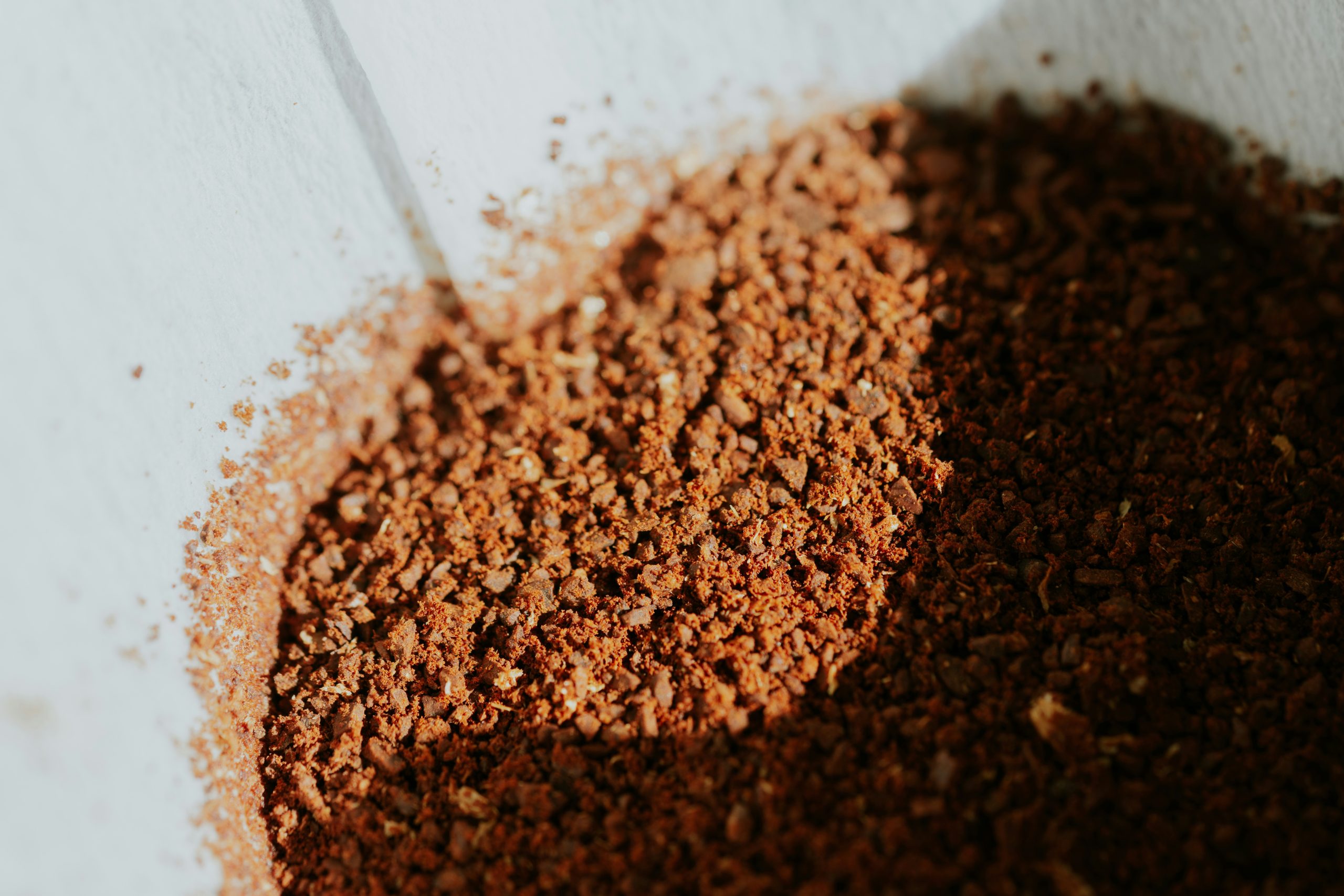
Researchers from South Korea’s Korea Institute of Geoscience and Mineral Resources (KIGAM) have developed an innovative process that transforms wet spent coffee grounds into high-grade biochar fuel in just 90 seconds, utilizing flame plasma pyrolysis without the need for drying. This process is significant given the global coffee industry generates over 22 billion pounds of spent coffee grounds annually, much of which is typically landfilled or incinerated.
The KIGAM team’s method cleverly incorporates moisture into the conversion process instead of treating it as a hindrance. By applying atmospheric-pressure plasma conditions, they generate a plasma flame by burning liquefied petroleum gas with compressed air, reaching temperatures between 1,472 and 1,652 degrees Fahrenheit. This intense heat rapidly vaporizes the water within the coffee grounds, triggering what researchers describe as the “popcorn effect.” This mechanism helps carbonize the material, creating small pores beneficial for the final product.
Under optimized conditions, this technique achieves complete conversion and an 83.3% mass reduction, producing biochar with an impressive calorific value of approximately 12,500 British thermal units per pound—around 33% higher than the original coffee grounds and on par with anthracite coal. The biochar’s fixed carbon content significantly increases from 15.6% to 46.2%, with sulfur compounds eliminated to prevent sulfur oxide emissions during combustion. Additionally, the process significantly enhances the surface area of the biochar, increasing from roughly 7,300 to over 563,000 square feet per pound, thus presenting potential applications in activated carbon production and pollutant adsorption.
In contrast to traditional methods like hydrothermal carbonization and torrefaction, which can take several hours and at least 30 minutes respectively, KIGAM’s process completes in a mere 90 seconds. This promises to revolutionize the handling of wet organic waste, making the approach particularly viable for coffee factories and other facilities dealing with high-moisture waste.
However, the technology is still in the research phase and requires further optimization for industrial-scale commercialization, addressing issues related to cost, durability, throughput, and emissions. Importantly, KIGAM suggests that this method could extend beyond coffee grounds to other high-moisture organic wastes, such as food waste and sewage sludge, thus presenting a paradigm shift in waste management where waste is perceived as a valuable energy resource rather than a disposal problem. The project’s lead author, Dr. Taejun Park, emphasized the need to optimize the process for varied organic waste types to facilitate future industrial applications. The study was documented in the Chemical Engineering Journal in 2026.
Read More @ indux
Source: Coffee Talk