

Soaring Coffee Prices Are Reshaping Consumer Habits – CoffeeTalk

Soaring coffee prices have not deterred consumers from their caffeine habits; instead, they are adjusting their purchasing methods. The median price for a regular cup of coffee in the U.S. has increased nearly 20% since early 2023, driving many to opt for more affordable choices, such as drive-throughs or home-harvested beans. High-end arabica beans, favored by coffee chains like Starbucks, have experienced significant price increases, more than doubling over two decades due to poor weather in major producing countries like Brazil and ongoing tariffs.
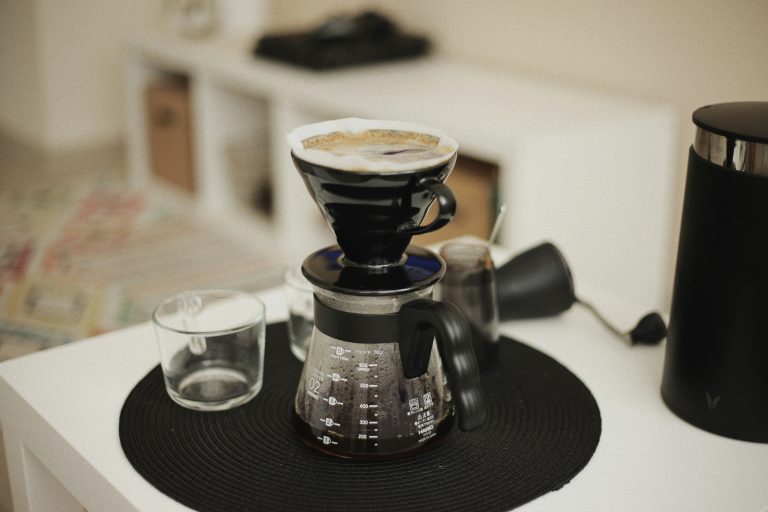
The response to these rising prices varies among consumers, influenced by whether they view coffee as a necessity or a luxury. According to a Citigroup survey of 1,900 coffee consumers conducted in October, approximately 37% of respondents worldwide have begun brewing coffee at home due to rising costs, a trend mirrored in the U.S., Australia, China, Thailand, and the U.K. Notably, about two-thirds of those who currently do not brew at home anticipate doing so within the coming year.
As consumers tighten their budgets, affordability becomes increasingly important, with private-label coffee brands emerging as viable alternatives. These brands, produced by roasters but marketed under a retailer’s label, provide cost-effective home coffee solutions. The trade tariffs on imported coffee have exacerbated price increases for U.S. consumers by elevating costs for roasters and distributors, particularly affecting major suppliers from Brazil and Vietnam. Even with the occasional suspension of these tariffs, prices remain elevated due to persistent global supply issues and robust demand.
While established chains like Starbucks and Tim Hortons have seen a decrease in in-store visits, cheaper coffee services at drive-throughs and convenience stores are experiencing growth. Starbucks’ CEO noted the resilience of their three business segments—storefront, drive-through, and digital—stating that consumer perceptions of value have improved, reversing a trend of declining visits across several quarters. Tim Hortons emphasizes that its offerings provide strong everyday value compared to competitors.
Additionally, smaller coffee chains are seizing this opportunity, with companies like 7 Brew Drive-Thru Coffee expanding their footprint to cater to the rising demand. Scott Romanoff, co-managing partner at Franchise Equity Partners, highlighted that 7 Brew’s growth does not rely on the overall coffee market expansion; rather, it focuses on capturing market share from established giants like Starbucks and Tim Hortons, with the chain operating 589 locations and offering over 20,000 unique drink options.
Read More @ The Independent
Source: Coffee Talk