

2026 Roasters Directory: under pressure, but pushing forward – BeanScene

More than 750 roasters across Australia and New Zealand feature in this year’s BeanScene Roasters Directory, with survey results suggesting cautious optimism from the sector.
It’s been another rollercoaster year for the coffee industry. Extreme weather, historically low inventories, and strong demand have created a perfect storm for market volatility. At the same time, shifting consumer preferences and emerging trends at home have added to the pressure on Australasian roasters.
Despite record coffee prices, the results of the 2026 BeanScene Roasters Directory Survey suggest the sector is cautiously optimistic. While coffee businesses are experiencing supply constraints and unprecedented cost pressures, many roasters are growing and investing in new channels.
To access the full Roasters Directory, view the October issue of BeanScene (pages 84-98): https://issuu.com/primecreativemedia-2016/docs/beanscene_oct_2026
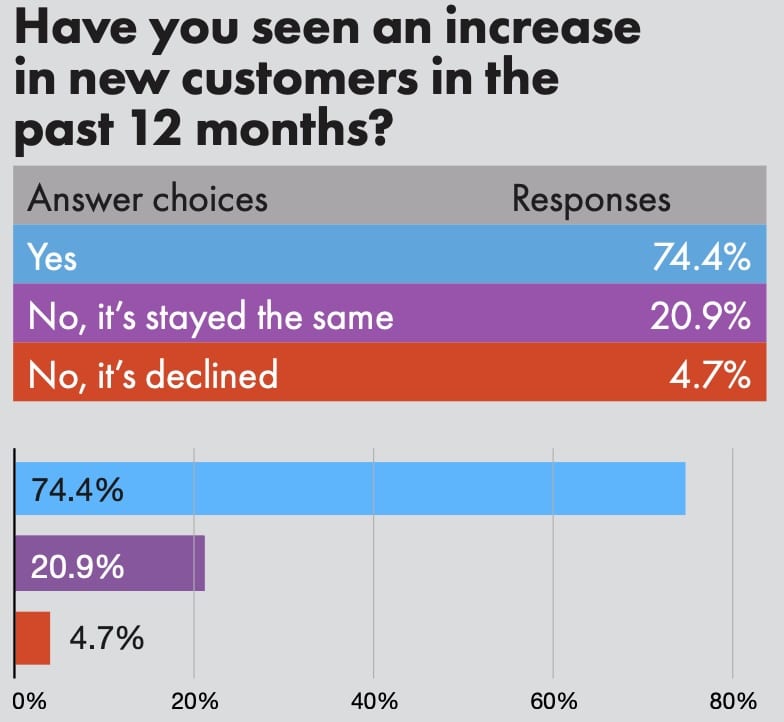
More than half of respondents (58.1 per cent) reported an increase in the volume of coffee roasted over the past 12 months, with only 7 per cent noting a decline. Contributing to this growth is new business, with 74.4 per cent of those surveyed seeing an increase in new customers.
When asked which markets roasters were increasing attention on, online sales (41.7 per cent) ranked first ahead of wholesale (29.2 per cent) and café, retail, and ready-to-drink channels (all 25 per cent). This suggests many roasters are actively pursuing direct-to-consumer sales and diversifying beyond traditional wholesale accounts.
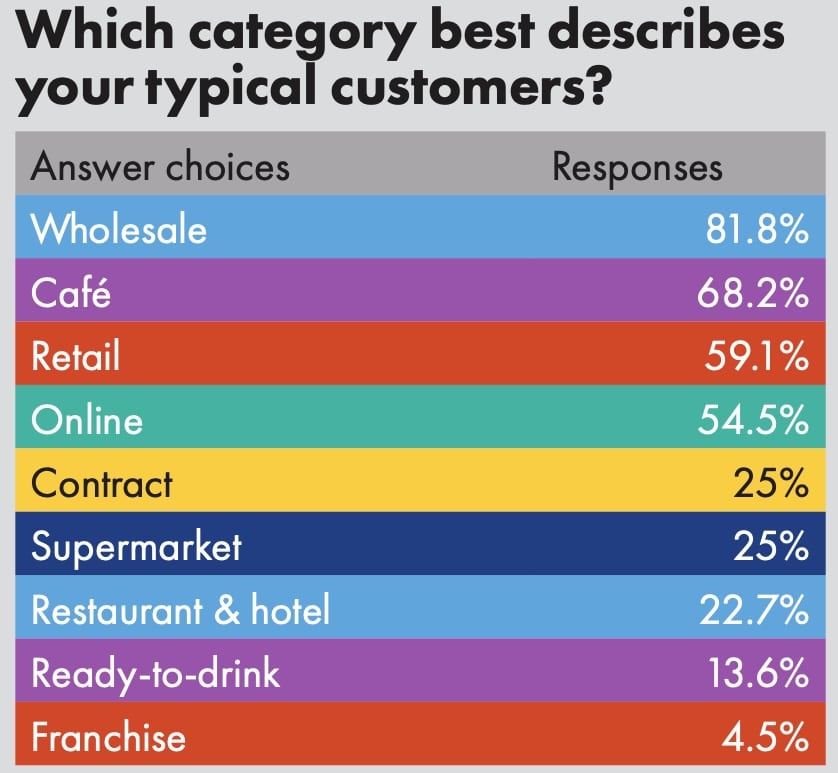
While online received the most interest in terms of new markets, wholesale remained the dominant customer channel with 81.8 per cent of respondents identifying it as their core business. Cafés (68.2 per cent), retail (59.1 per cent), and online (54.5 per cent) were also major customer segments, demonstrating that most roasters operate across multiple channels rather than relying on a single market.
Even amid historically high coffee prices, quality remains the industry’s primary differentiator. When asked what they value most as a roaster, quality (44.2 per cent) was by far the most common response, significantly ahead of affordable green bean prices (14 per cent) and profitability (11.6 per cent). Sustainability (9.3 per cent) and farmer relationships (4.7 per cent) also featured but were secondary concerns.
In line with this focus on quality, the survey audience was overwhelmingly specialty-aligned: 83.7 per cent described themselves as specialty roasters and only 16.3 per cent identified as commercial roasters.
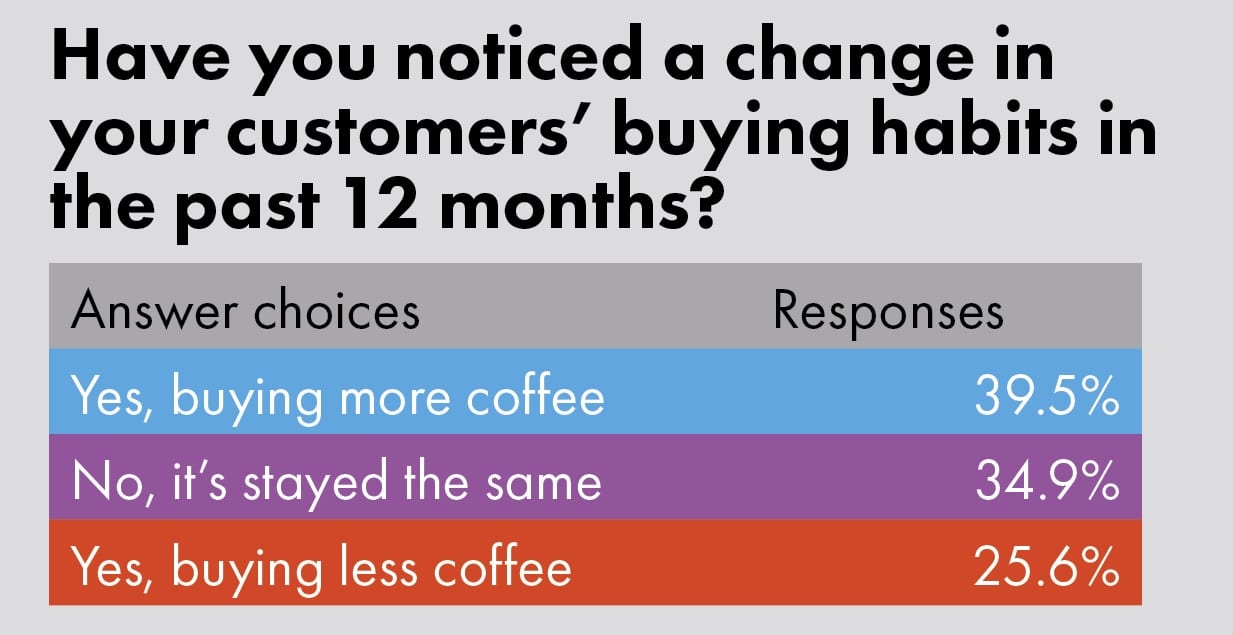
When asked about their customers’ buying habits, respondents painted a mixed picture. Almost 40 per cent said customers were buying more coffee, suggesting demand remains resilient.
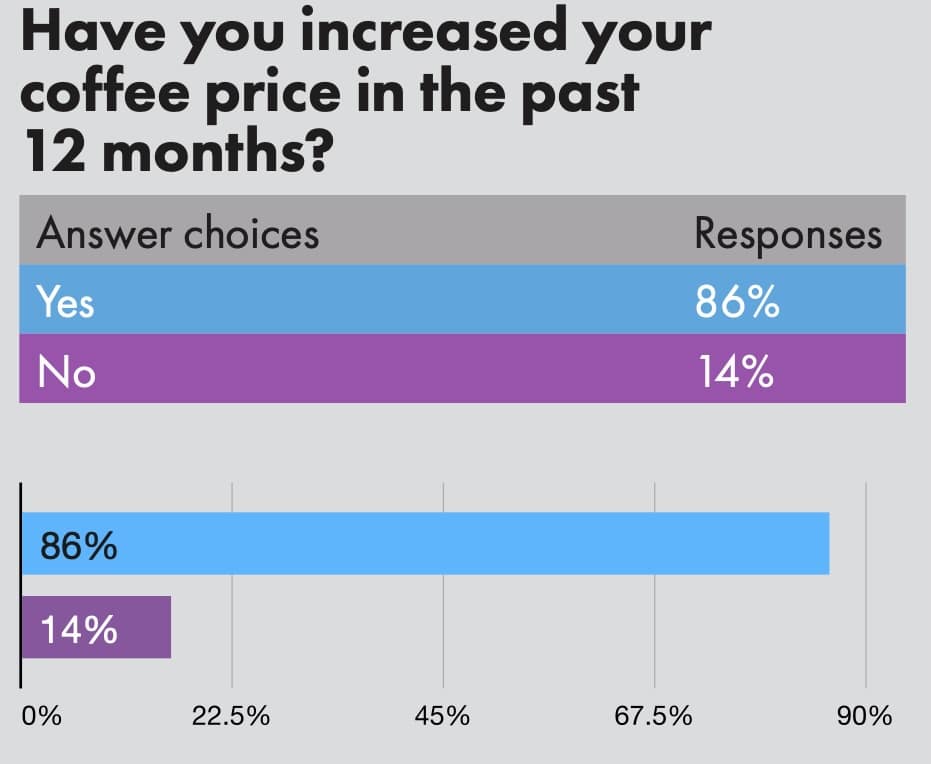
The price of a cup of coffee continues to be a hot topic in the industry, with many roasters weighing into the conversation. From the coffee businesses surveyed here, 86 per cent reported increasing coffee prices in the past year, with 90.7 per cent stating they would consider increasing prices in the next year.
This is arguably one of the strongest findings in the survey and reflects the pressure roasters are facing from elevated green coffee costs. Almost 70 per cent of respondents reported supply issues when purchasing green beans last year, indicating supply disruption and cost inflation remain major concerns across the roasting sector.
“It’s no secret the market has remained tough for roasters all over the world in the past year, and it’s no different for Australia and New Zealand,” says BeanScene Editor Daniel Woods.
“What has been incredible to see, however, is how the industry has remained laser-focused on delivering quality coffee to its customers. Despite the challenges that have been placed in front of the region’s roasters, that passion for top-quality coffee has remained at the forefront.
“It is interesting how many roasters are accelerating into growth areas such as online retail, while still remaining true to their core principles. With people buying more coffee than ever, it looks like the most successful roasters are building strong, multi-faceted businesses heading into 2027 and beyond.”
*The 2026 Roasters Directory is compiled of opt-in participants and verified venues. If you have missed out this year or need to update your details for next year, please email charlotte.murphy@primecreative.com.au
Elevating the coffee experience
With collaboration at the heart of the brand, MILKLAB continues to partner with roasters and cafés across Australia to level up the coffee experience.
Barista milk and alternatives specialist MILKLAB has spent the past decade working with the coffee industry to fine-tune its products to deliver the best possible coffee experience. With milk making up 80 per cent of the coffee in some cases, it’s impact on the final beverage can’t be understated.
“The right milk needs to complement and balance the flavour profile of the coffee – never overpowering and always harmonising,” says Melanie Ung, MILKLAB Brand Manager.
“We lean on our roaster partners for collaboration and feedback so that every one of our barista plant-based milks textures beautifully and pairs seamlessly with the flavour of espresso. That partnership ensures our products don’t just perform but actually enhance the cup.”
This collaboration with roasters is highlighted each year when MILKLAB hosts its annual Roasters Royale competition at Melbourne International Coffee Expo (MICE). Creating a dedicated platform to showcase the skills of Australasia’s most talented roasters, the event sees roasters go head-to-head to create the best blend to complement MILKLAB’s range of barista plant milks.
In March 2026, Yuhei Toyoda of Runyeh Coffee won the grand prize of a trip to Colombia and $10,000 cash.
“These competitions are a celebration of the incredible talent and creativity within our coffee community, and they give us a meaningful way to collaborate with and champion both baristas and roasters,” says Natalie Latimore, Head of Marketing at MILKLAB.
While preferences continue to change, Melanie says Australia is unwavering in its favourite plant milks to pair with coffee.
“The iconic trio of almond, soy, and oat has truly cemented itself in cafés across Australasia. Each brings something unique to the cup, and together they’ve become the everyday favourites for both baristas and coffee drinkers alike,” she says.
“Coconut and macadamia round out our barista plant-based milk range, bringing unique flavour experiences that give baristas and coffee drinkers even more ways to enjoy their cup.”
MILKLAB will continue to work alongside the coffee industry to keep elevating the café experience as the sector evolves to shifting consumer interests.
“We see cafés becoming even more of a hub for connection. As going-out culture evolves, people are choosing cafés as their place to gather, discover, and be inspired,” says Melanie.
“That shift presents a huge opportunity for café owners and it’s why we’ve been rolling out Coffee Shop Sets across the country and building our MILKLAB Sensations program. It’s all about supporting our partners to deliver not just a great cup of coffee but also a memorable café experience.”
For more information, visit milklabco.com
Source: Bean Scene Mag