

Transforming Colonizer Coffee Plantations In Brazil To Sustainable Farms Better Able To Weather Future Challenges – CoffeeTalk

In 1981, the Paiter Suruí community faced a pivotal choice regarding the coffee plantations left by colonizers after expelling the last invaders from their land, with some members advocating for destruction due to the violence caused by contact with non-Indigenous people, whereas others spared the trees out of compassion. Over four decades later, the surviving estates are nurtured and play a vital role in supporting both families and the environment, with notable contributions from individuals like Celeste Paytxayeb Suruí, an acclaimed Indigenous barista who produces award-winning “Amazonian robusta” coffee in Rondônia, Brazil.
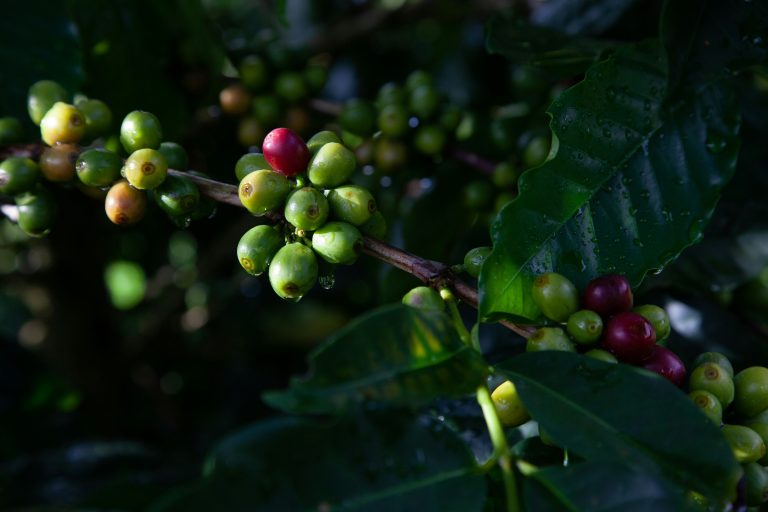
Approximately 140 Suruí families cultivate small coffee plantations in the Sete de Setembro Indigenous land, benefitting from the region’s conducive climate that closely mirrors the Congo basin, where robusta coffee originated. Despite its previous reputation as a bitter, lower-grade coffee often blended with arabica, the perception of robusta is rapidly changing as researchers focus on enhancing its quality to meet the future demand in a changing climate. Robusta is more tolerant of higher temperatures than arabica, and its production has escalated from 28% of total coffee output in the early 1990s to 44% in 2023.
The global coffee crisis, exacerbated by climate change, affects major producers, including Brazil, which is witnessing an increase in extreme weather patterns, resulting in significantly hotter days. Robusta coffee, despite its better adaptability, is still vulnerable to climate impacts; in 2024, a drought reduced Celeste’s plantation yield by 40%. Research indicates that by 2050, the land suitable for coffee cultivation could decline by over 50%. To counteract this, experts are innovating to breed resilient coffee plants that can thrive in extreme conditions while also resisting pests.
Embrapa, Brazil’s agricultural research corporation, has substantially improved robusta’s productivity over two decades. Their work includes testing 64 new hybrid coffee varieties that demonstrate improved compatibility with increasing temperatures and droughts, along with the implementation of proper harvesting and post-harvest practices to enhance quality. The benefits of situating coffee plants near forests include increased humidity, stable temperatures, and natural pest control from surrounding biodiversity.
Previous government policies encouraging deforestation for cattle ranching have reduced forest cover, yet the Suruí community has actively engaged in reforestation efforts since 2004, following a comprehensive environmental management plan. Other families, like the Bento family near Cacoal, showcase sustainable coffee production practices that integrate environmental stewardship and crop diversity. Despite the rise in coffee prices, there are concerns that this may lead to the displacement of small farms by expansive monocultures lacking sustainability.
The urgency for a balanced approach in coffee production is acknowledged by Neidinha Suruí, emphasizing that forest protection should not depend solely on Indigenous efforts; government support and mindful consumer choices are critical as well. There is a call for a broader recognition of the role of Indigenous knowledge in biodiversity conservation, as reflected in comments by climate scientist Carlos Nobre.
The international landscape of coffee production is also evolving, with initiatives like the World Coffee Research network aiming to enhance robusta cultivation across various countries, recognizing the need for adaptation amidst climate variability. To shift market perceptions of robusta, research has introduced a tasting wheel tailored for the canephora species, setting new standards for appreciating robusta’s unique flavor profile.
Paytxayeb Suruí underscores the necessity for collaborative conservation efforts, stating that the protection of forests must involve collective action beyond just Indigenous communities, highlighting the forest’s paramount importance as a life source for all.
Read More @ The Guardian
Source: Coffee Talk