

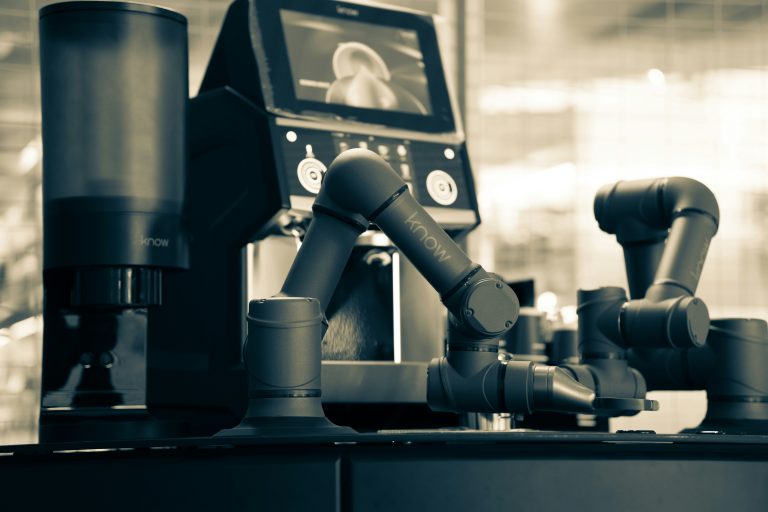
Next-Gen Latte Art Robot Debuts At CES 2026, Promising Custom Coffee Orders In 90 Seconds – CoffeeTalk

Anno Robot unveiled a next-generation AI Robotic Latte Art & Printing Coffee Kiosk at CES 2026, designed to reproduce custom images on milk foam in about 90 seconds. This kiosk integrates high precision arms with vision systems for real-time liquid tracking, enabling efficient, 24/7 operation and aims to produce hundreds of cups daily. It is targeted at venues such as malls and airports, offering a solution for cutting labor costs while standardizing beverage quality.
The kiosk’s single-arm, enclosed design enhances ease of maintenance and hygiene compared to traditional multi-arm or open systems. The integrated vision system allows for accurate adjustments in printing and pouring, ensuring consistent crema and precise image placement. Operators can queue various designs, including logos and selfies, turning routine coffee service into an engaging customer experience.
In addition, Anno featured a compact MINI AI Robotic Bartender, promoting both devices as smart-retail solutions. A significant aspect of these offerings is their cloud management capabilities, which facilitate remote monitoring and recipe updates, allowing for synchronization across multiple locations without requiring constant on-site oversight. The company showcased live demonstrations at CES, garnering interest from partners for potential pilot programs.
The benefits for coffee operators include ensuring consistent product presentation and flexibility in staffing. Machines that print custom designs can enhance impulse purchase opportunities and foster social media sharing in busy areas, while the automation of dosing and printing minimizes variations between shifts. Moreover, remote recipe updates permit the effortless introduction of seasonal offerings or promotions without necessitating extensive retraining of staff on complex latte art techniques.
However, there are practical considerations to assess when implementing such automation. Operators should verify the kiosk’s throughput capabilities in relation to peak service levels, calculate total ownership costs—including maintenance and consumables—and evaluate image fidelity based on their specific milk and bean profiles, as factors like emulsification and foam quality can impact print outcomes. Although the enclosed machinery may mitigate contamination risks, it is crucial to plan cleaning schedules in accordance with health regulations and high-volume operational needs.
Future implementation will involve pilot programs in busy locations where the novelty and potential for brand visibility may justify the investment. Operators will need to monitor real-world performance metrics, including operational uptime, service intervals, and customer feedback, to determine whether the adoption of robotic latte art makes a meaningful impact on sales and staff deployment. If early tests are successful, the integration of cloud-based recipes and remote diagnostics could allow for ongoing updates to menus and visual branding without increasing barista labor hours.
Read More @ Prism
Source: Coffee Talk