

Big Brands Like Starbucks Can't Compete On Their Own In China, So They're Selling Majority Stakes To Local Private Equity Firms Instead – CoffeeTalk

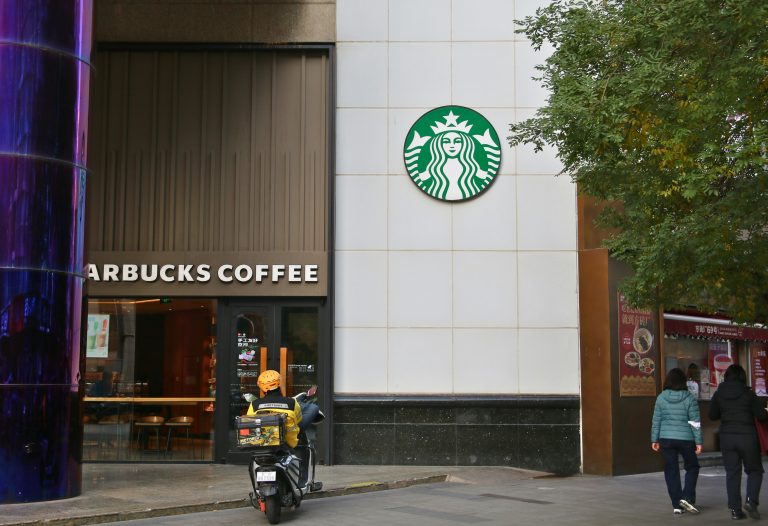
Starbucks and Burger King are embracing a partnership model in China, responding to competition from local private equity (PE) firms, which are increasingly acquiring majority stakes in foreign food-and-beverage operations. This strategic shift comes as foreign brands, historically successful in China, find themselves challenged by domestic competitors leveraging rapid adaptation to consumer preferences.
Starbucks has announced a deal to sell a 60% stake in its China unit to Boyu Capital for $4 billion, anticipating a tripling of its unit’s value in a decade, while Burger King is engaging CPE Capital for an 83% stake in its China operations, involving a $350 million investment. Both partnerships await regulatory approval, expected to finalize next year. Recent developments also include IDG Capital acquiring a controlling stake in Yoplait’s China business, signifying a trend as General Mills contemplates selling its Haagen-Dasz stores in China and Oatly exploring divestiture of its operations there.
The competitive landscape has shifted, with companies like Luckin Coffee surpassing Starbucks in sales and store counts in 2023, while Restaurant Brands International has faced difficulties in bolstering Burger King’s performance in China. Local PE firms are preferred for their agility, connectivity with local suppliers, and operational insights, which facilitate rapid implementation of changes in management, pricing, and marketing strategies suited to local markets.
Further, the urgency for multinationals to adapt is underscored by Jones Ngai of McKinsey, who highlighted the challenge of maintaining market share against homegrown brands that effectively utilize digital strategies and tailor products for local tastes. The new model allows brands to retain minority stakes and IP-licensing rights, while delegating daily operations to local partners, intending to optimize financial returns through manageable royalty agreements.
Starbucks, for instance, could see significant revenue from royalties as part of its valuation, suggesting higher fees may enhance funding for expansion. The successes of PE investments like McDonald’s in China underline a growing trend where foreign brands find themselves divesting non-core segments in response to a complex operational environment characterized by geopolitical uncertainties and changing consumer dynamics.
As PE firms seize the opportunity presented by underperforming subsidiaries, there has been a marked increase in carve-out deals, with the value doubling from the previous year to $39 billion thus far in 2024. These strategic moves highlight the evolving dynamics of international brands in China, where rapid localization and innovative partnerships are critical for sustaining growth against intense local competition.
Read More @ CNBC
Source: Coffee Talk