

Nicaraguan Farm Shows How Coffee Can Rebuild Economies And Ecosystems – CoffeeTalk

La Cumplida, a coffee farm in northern Nicaragua, has transformed the region over two decades through massive reforestation and innovative agricultural practices. The farm, acquired by French agronomist Clément Ponçon in the 1990s, now covers over 5,400 acres in the central valleys of the country. Led by Clément’s son Eric Ponçon, La Cumplida sells shade-grown coffee and hardwood timber while tending primary forests placed in conservation.
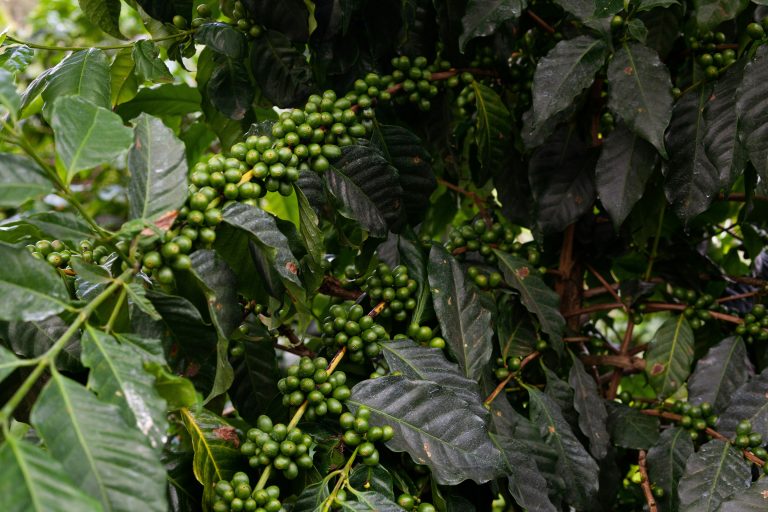
The farm has made long-term investments in agricultural methods that strengthen crop resilience and bolster livelihoods. Coffee is lovingly tucked under a canopy of native trees, improving pollination and reducing pests. When the plants’ leaves fall to the ground, the soil retains more water, and birds and insects flourish.
La Cumplida has worked with the Rainforest Alliance to get their practices certified under the organization’s newly announced Regenerative Agriculture Standard. The non-profit’s global lead for regenerative agriculture, Juliana Jaramillo, explains that this certification measures the farm’s standards for soil health and fertility, biodiversity, and climate resilience. Reducing the use of pesticides and synthetic fertilizers have lowered farm costs, and allowed different coffee varieties to be planted at the farm.
Some of the trees that shelter the coffee, such as mahogany and walnut, have been sustainably harvested and sold to build homes and schools in the local community, providing the farm an additional income source. La Cumplida focuses on planting a mix of trees and crops so that farmers can harvest multiple products over time, creating a more stable and reliable income. Beyond timber, trees in this canopy produce flowers rich in nectar and pollen, and La Cumplida has recently started selling honey.
These practices have helped biodiversity return to La Cumplida, as Nicaragua’s Matalpa region was deforested in the late 19th century for livestock and coffee farming. La Cumplida’s approach to coffee crops is now enhancing both the land and the ecosystem’s health. Viviana Ruiz-Gutierrez, a quantitative ecologist at the Cornell Lab of Ornithology, visited the farm in 2018 and has worked with the local community to survey birds, collecting information on the ground at the farm and through the worldwide database eBird.
Key to the farm’s success is continuously modifying its approach, says Migdalia Espinoza Luna, who has worked at La Cumplida for two decades. Over time, they have to try different coffee varieties, experiment in different kinds of partnerships, and document everything so they can look for areas to improve.
Ponçon emphasizes that regenerative coffee production needs to also benefit local farmers and the surrounding rural communities. He has focused on identifying needs like housing, water access, and education, including holding summer camps for local children. While there are significant barriers for farmers, studies show that over time, a regenerative approach can increase net farm income by 20 to 30 percent.
Experts like Jaramillo of the Rainforest Alliance believe that profit will grow with increasing consumer interest. Conventional agriculture is one of the biggest drivers of climate change and global biodiversity loss, and radically overhauling the global farming system could not only reduce harm but actively repair damaged ecosystems and heal the health of the Earth. Regenerative agriculture is emerging as one of the most promising answers.
Read More @ Grist
Source: Coffee Talk